


Windmill Palm Tree Pictures
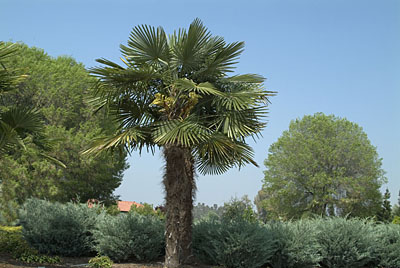
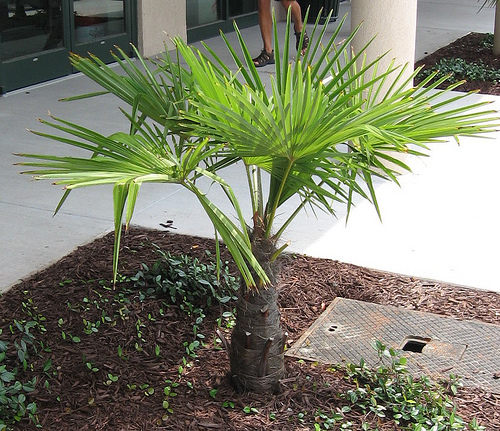
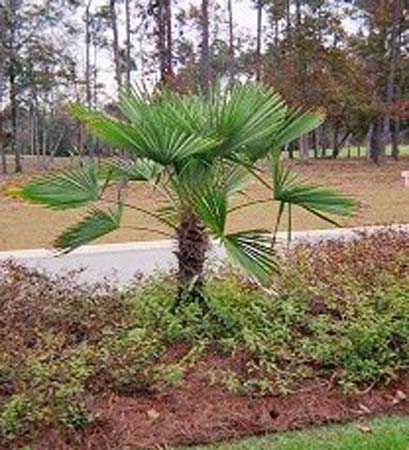
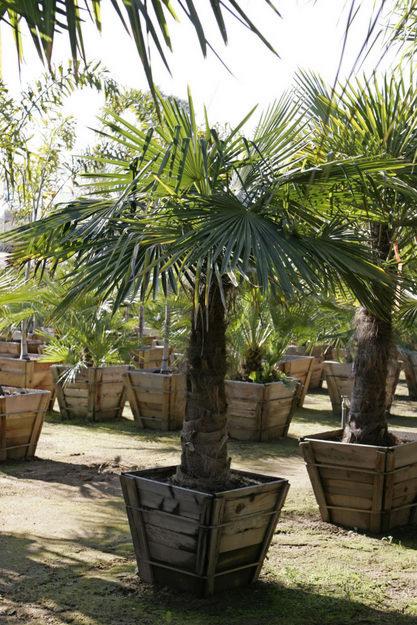
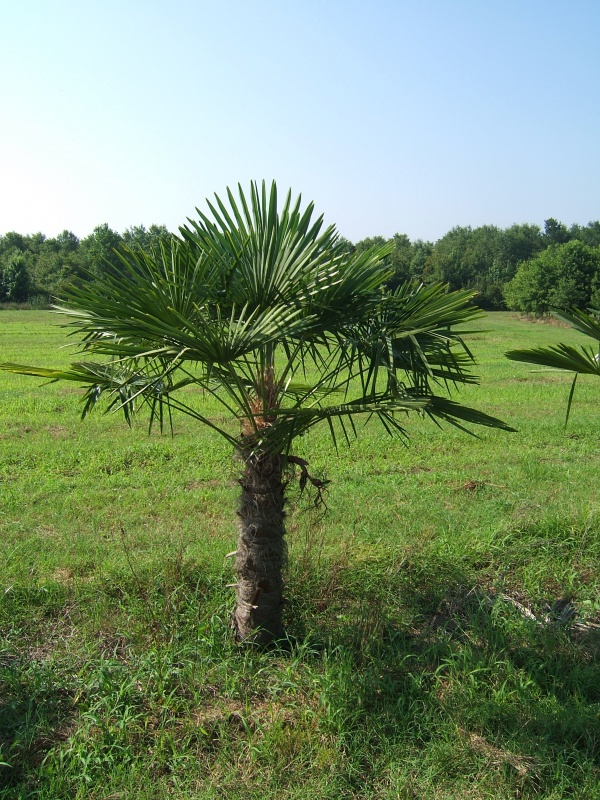
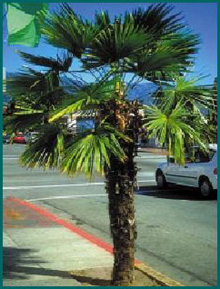
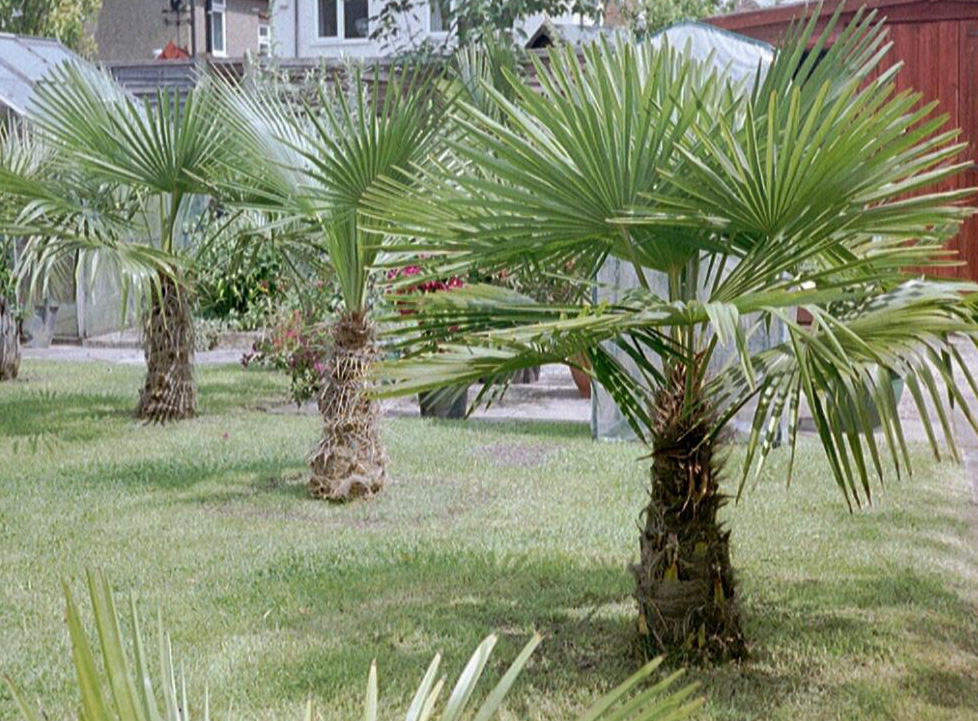
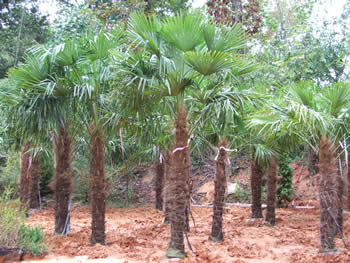
Welcome to our windmill palm tree pictures page.
On this page you will find lots of nice pictures of windmill palm trees.
Windmill Palms
You will also find a lot of wonderful information on windmill palm trees, including information about the windmill palm tree species, planting information, and much more.
This is valuable and useful information that can help you to learn more about the windmill palm tree.
Windmill Palm Images
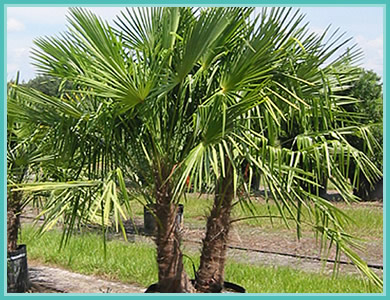
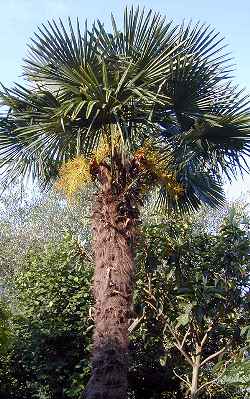
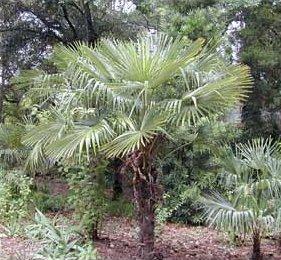
To view each windmill palm tree picture in full size just click on the pictures.
Enjoy these pictures of the Windmill Palm Tree.
Windmill Palm Photo Gallery
 |
 |
 |
 |
 |
 |
 |
 |
 |
 |
 |
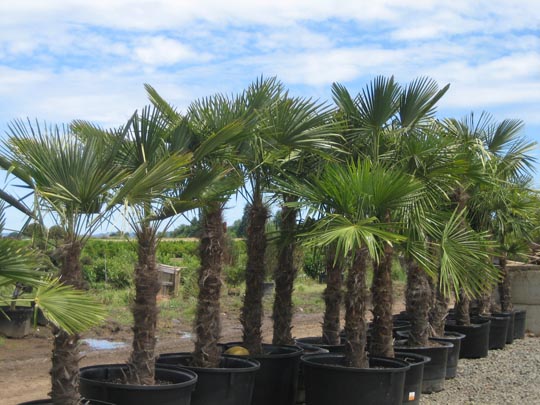 |
Windmill Palm Tree Scientific Name: Trachycarpus fortunei
Windmill Palm, Facts of the Windmill Palm Species
Here is some general information on the windmill palm tree.
Trachycarpus fortunei (Chusan Palm, Windmill Palm or Chinese Windmill Palm; syn. Chamaerops fortunei Hook., T. wagnerianus Becc.) is a palm native to central China (Hubei southwards), south to northern Burma.
It grows to 15 m tall on a single stem up to 20 to 35 cm diameter. The trunk is very rough with the persistent leaf bases clasping the stem as layers of coarse fibrous material. It is a fan palm (Arecaceae subfamily Coryphoideae, tribe Livistoneae, subtribe Rhapidinae), with the leaves with the long petiole bare except for two rows of small spines, terminating in a rounded fan of numerous leaflets; each leaf is 140-190 cm long, with the petiole 60-100 cm long, and the leaflets up to 90 cm long. It is a somewhat variable plant, especially as regards its general appearance and some specimens are to be seen with leaf segments having straight and others having drooping tips.
The flowers are yellow (male) and greenish (female), about 2 to 4 mm across, borne in large branched panicles up to 1 m long in spring; it is dioecious, with male and female flowers produced on separate trees. The fruit is a yellow to blue-black, reniform (kidney-shaped) drupe 10 to 12 mm long, ripening in mid autumn. Occasionally it occurs that a male plant of T. fortunei besides the usual spadices produces also a few other spadices which carry really hermaphroditic flowers. The hermaphroditic and completely fertile flowers are almost exactly like the male flowers, but are a little larger and with the carpels well evolute, the latter about as long as the filaments, furnished with a ring of silvery hairs all round.
Although not the northernmost naturally occurring palm in the world (Chamaerops humilis grows further north in the Mediterranean region, and Rhapidophyllum and some Sabal species further north on the Atlantic coast of North America), it is one of the hardiest, as it grows at much higher altitudes, up to 2,400 m in the mountains of southern China. This brings it into a climate not only with cold winters, but also cool, moist summers; while Rhapidophyllum may possibly tolerate slightly lower temperatures in winter, it needs much greater summer heat to grow successfully.
Impressive Tree Pictures
Collection of Impressive Tree Images
Trees: Recent Tree Photos, Pics & Images |
||
 Palm Tree Pictures |
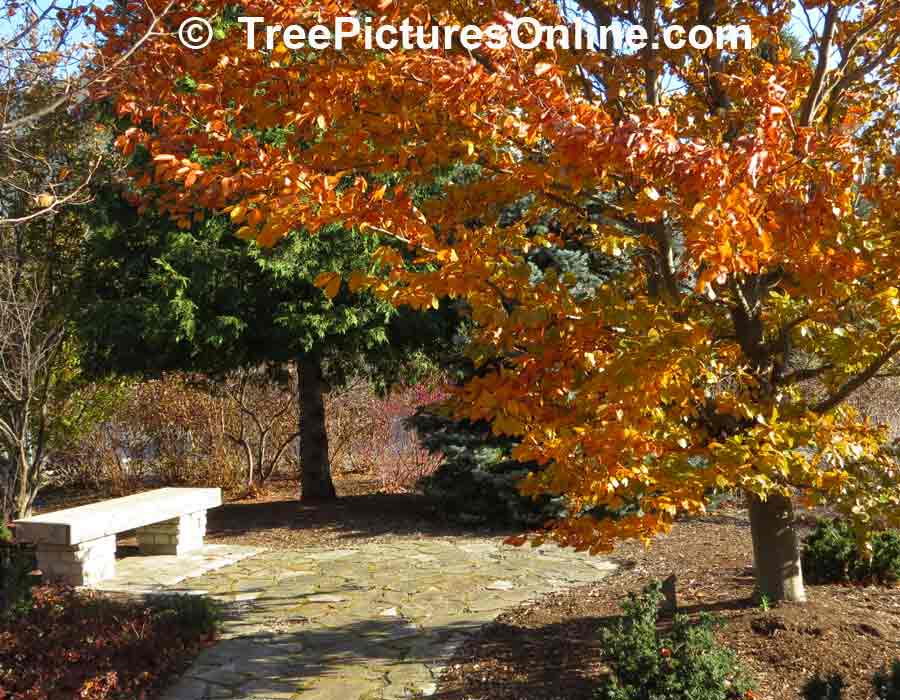 Beech Trees |
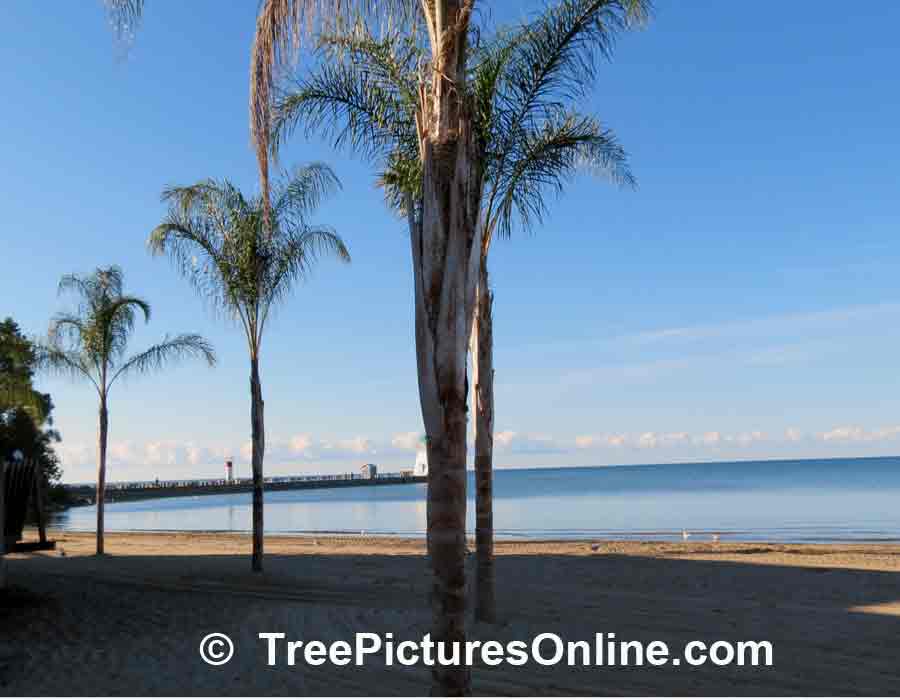 Palm Trees |
 Oak Tree Gallery |
 Christmas Trees |
 Maple Trees |
 Apple Tree Photo Gallery |
 Apple Tree Images |
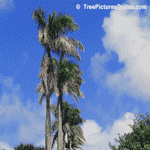 Palm Trees Gallery |
 Japanese Maple Trees |
 Pine Tree Gallery |
 Willow Trees Category |
Tree Facts, Trivia
United States land is covered by over 30 per cent with trees and forests
Tree wallpaper images can make beautiful backgrounds on your computer`s desktop. See our tree wallpaper photographs link in the left tree categories.
Thank you for visiting our Tree Pictures at TreePicture Online.com, please come back soon for more great tree photos!

Pictures Sites
Fireplace Pictures -
Tree Pictures -
Gazebo Pictures -
Symbols & Their Meanings
Resume Samples -
Church Pictures -
Manufactured Home Pictures
Natural Log Siding -
Shadow Puppets -
Caribbean Islands
Play Touch Games -
Waterfall Pictures
Make Hot Pictures - Job Application Forms
