


Brazilwood Tree Pictures
Brazilwood Tree Pictures Welcome
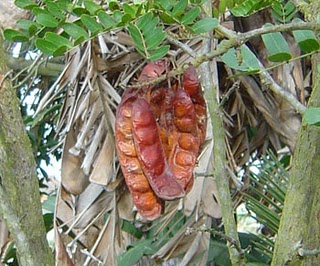
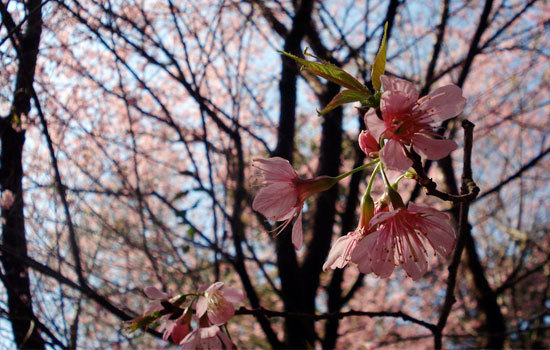
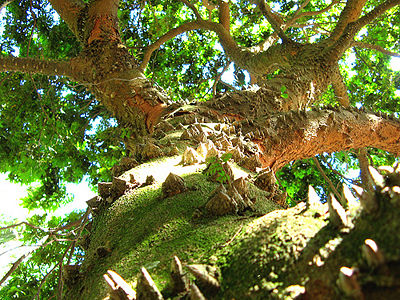
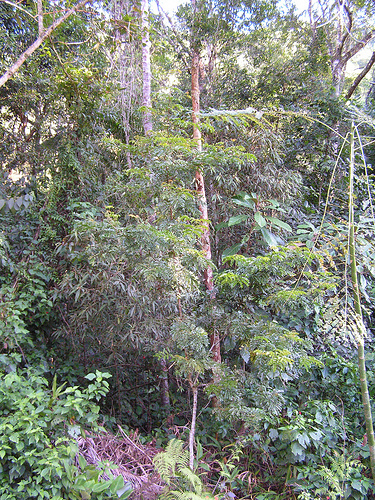
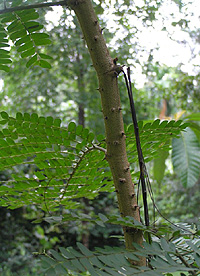
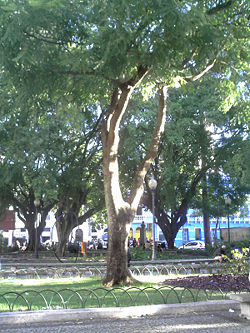
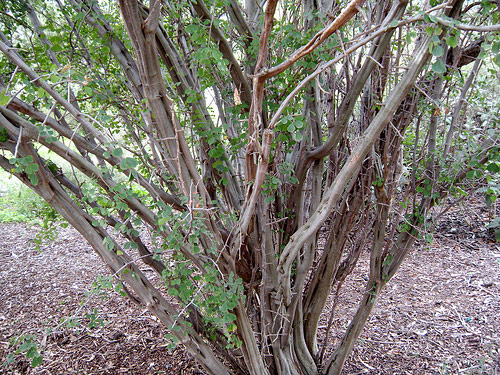
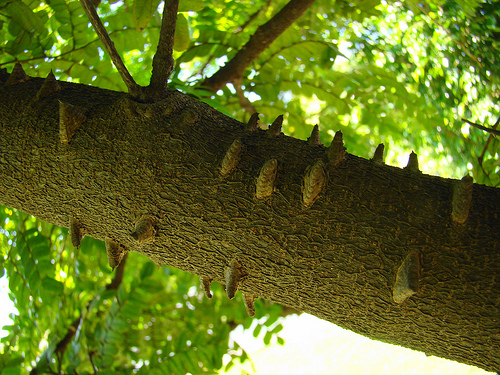
In this Brazilwood Tree Pictures category you will find lots of nice pictures of brazilwood trees.
You will also find a lot of wonderful information on brazilwood trees, including information about the brazilwood tree species, planting information, and much more.
This is valuable and useful information that can help you to learn more about the brazilwood tree.
To view each brazilwood tree picture in full size just click on the tree picture.
Enjoy these pictures of Brazilwood Trees.
Brazilwood Tree Pictures
 |
 |
 |
 |
 |
 |
 |
 |
|
Brazilwood Tree, Facts on the Brazilwood Tree
Here is some detailed information on brazilwood trees.
Caesalpinia echinata is a species of Brazilian timber tree in the pea family, Fabaceae. Common names include Brazilwood, Pau-Brasil, Pau de Pernambuco and Ibirapitanga (Tupi). This plant has a dense, orange-red heartwood that takes a high shine, and it is the premier wood used for making bows for string instruments. The wood also yields a red dye called brazilin, which oxidizes to brazilein.
When Portuguese explorers found these trees of a deep red hue inside on the coast of South America, they used the name pau-brasil to describe them. Pau is Portuguese for "stick", and brasil is said to have come from brasa, Portuguese for "ember", meaning "emberlike". This name had been earlier used to describe a different species of tree which was found in Asia and other places and which also produced red dye; but the South American trees soon became the better source of red dye.
Brazilwood trees were such a large part of the exports and economy of the land that the country which sprang up in that part of the world took its name from them and is now called Brazil.
In the 15th and 16th centuries, brazilwood was highly valued in Europe and quite difficult to get. Coming from Asia, it was traded in powder form and used as a red dye in the manufacture of luxury textiles, such as velvet, in high demand during the Renaissance. When Portuguese navigators discovered present-day Brazil, on April 22, 1500, they immediately saw that brazilwood was extremely abundant along the coast and in its hinterland, along the rivers. In a few years, a hectic and very profitable operation for felling and transporting by shipping all the brazilwood logs they could get was established, as a crown-granted Portuguese monopoly.
Excessive exploitation led to a steep decrease in the number of brazilwood trees in the 18th century, causing the collapse of this economic activity. Presently, the species is nearly extirpated in most of its original range. Brazilwood is listed as an endangered species by the IUCN, and it is cited in the official list of endangered flora of Brazil - restoration of the species in the wild being hampered by the fact that it is a climax community species, which will only develop well when planted amongst secondary forest vegetation.
Thank you for visiting these Brazilwood Tree Pictures at Tree Pictures Online.com, please come back soon for more great tree pictures!
Impressive Tree Pictures
Collection of Impressive Tree Images
Tree Pictures, Recently Added Tree Photos, Pics & Images |
||
 Apple Tree Photo Gallery |
 Apple Tree Images |
 Palm Trees Gallery |
 Japanese Maple Trees |
 Pine Tree Gallery |
 Willow Trees Category |
 |
||
|
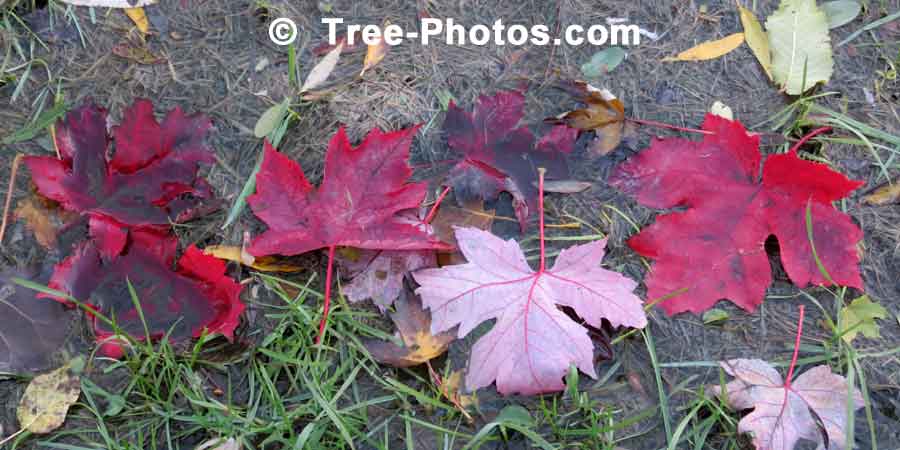
Maple Tree Leaves: More images of Maples? Please follow to the Maple Tree Gallery. Full size the photo, just click on beach image. |
||
 |
||
Palm Tree Landscape: More tropical images of Palms? Please follow to the Palm Tree Gallery. Full size the photo, just click on beach tree image.
Tree Facts and Trivia
United States land is covered by over 30 per cent with trees and forests
Tree Picture Finds, Stumbled on these Tree Images
We add new tree pictures as they come in to us, on a weekly & monthly basis. We hope you enjoy all our tree photos and information on the different types of trees and species.
Tree wallpaper images can make beautiful backgrounds on your computer`s desktop. See our tree wallpaper photographs link in the left tree categories.
Thank you for visiting our Tree Pictures at TreePicture Online.com, please come back soon for more great tree photos!

Pictures Sites
Fireplace Pictures -
Tree Pictures -
Gazebo Pictures -
Symbols & Their Meanings
Resume Samples -
Church Pictures -
Manufactured Home Pictures
Natural Log Siding -
Shadow Puppets -
Caribbean Islands
Play Touch Games -
Waterfall Pictures
Make Hot Pictures - Job Application Forms
