


Walnut Trees
Walnut Tree Pictures
In this Walnut Trees Category you will find lots of nice pictures of walnut trees.
Below you will find a lot of wonderful facts on walnut trees, including information about the walnut tree species, planting information and walnut tree types.
Below you will find a lot of wonderful facts on walnut trees, including information about the walnut tree species, planting information and walnut tree types.
This is valuable and useful information that can help you to learn more about the walnut tree.
Walnut Trivia
During pioneer times the nuts from the Black Walnut were use to dye clothing.
Walnut Tree Images
Full size each walnut tree picture you like, just click on the walnut tree image. Enjoy these pictures of walnut trees.
Walnut Tree Pictures
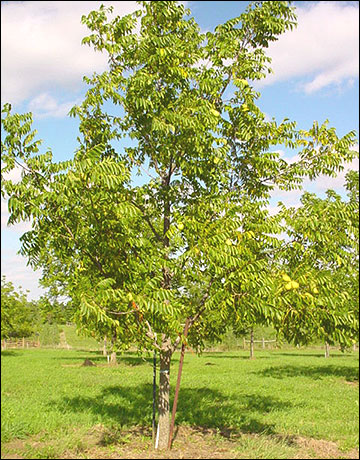
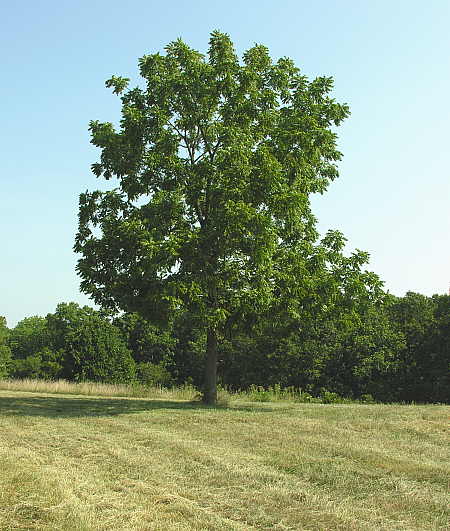 Walnut Tree Picture |
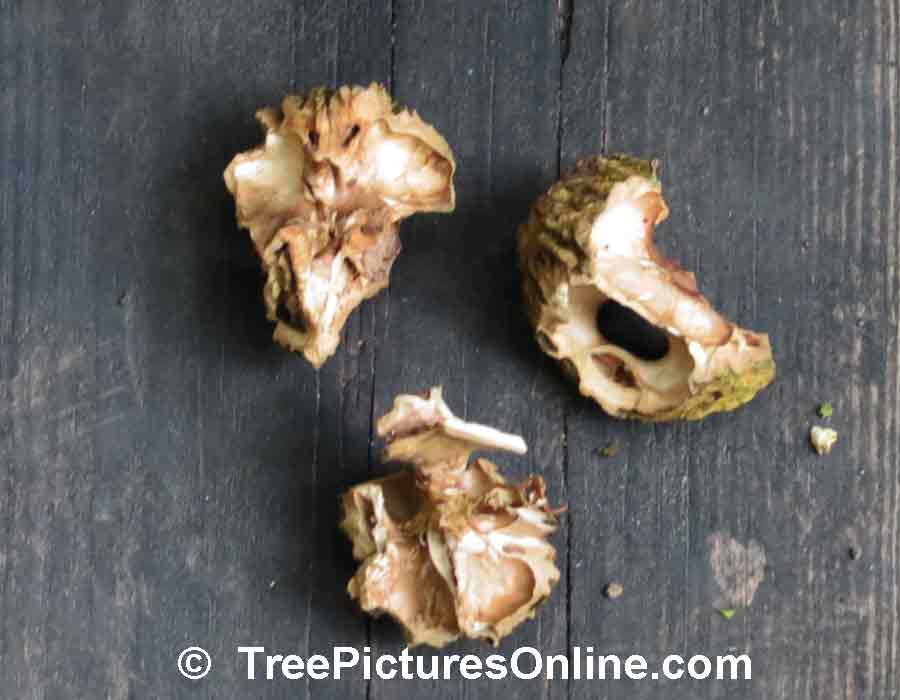
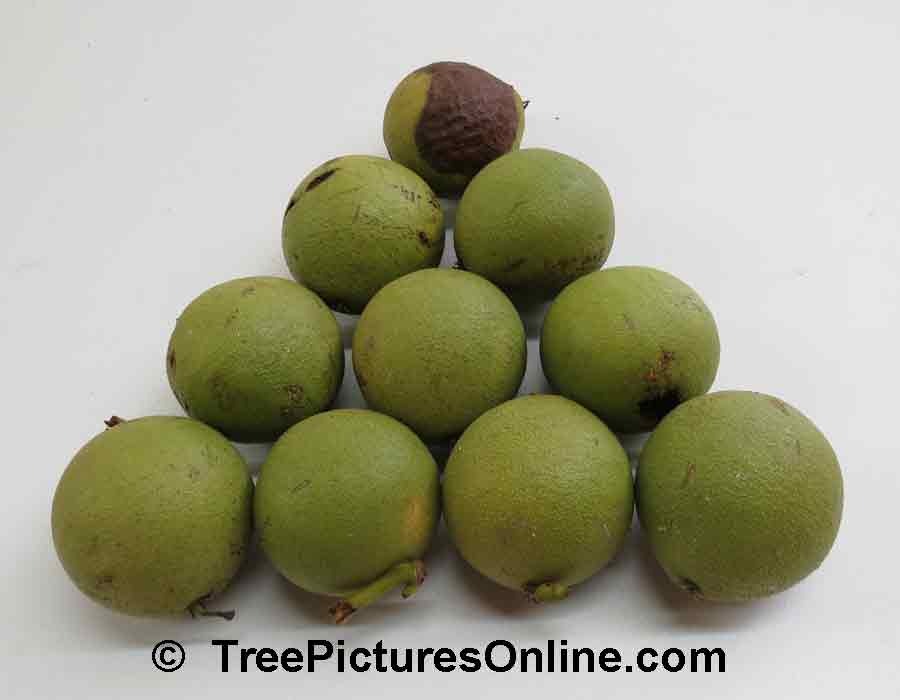 Walnuts |
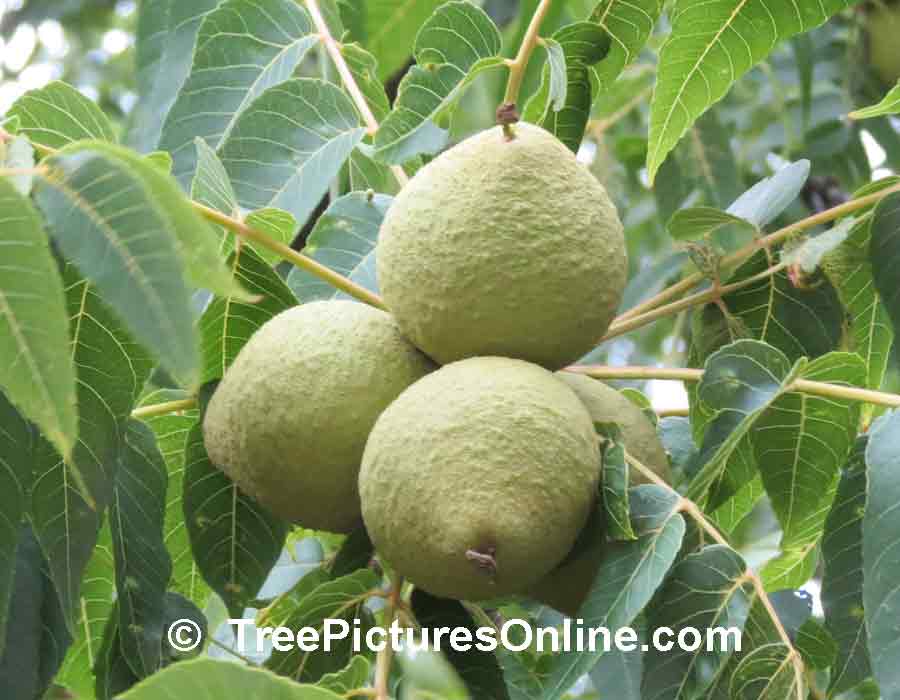
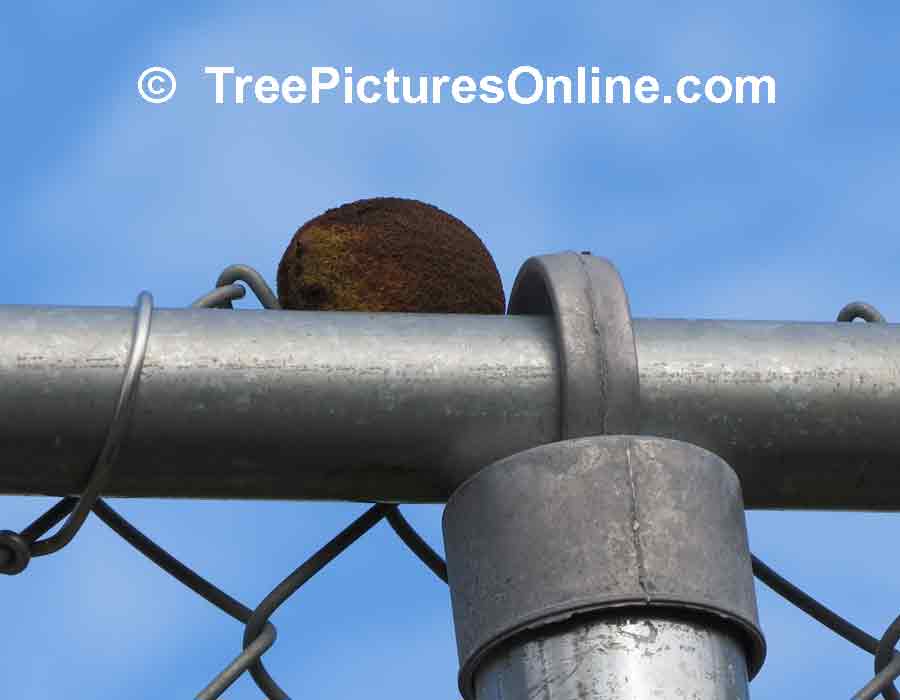
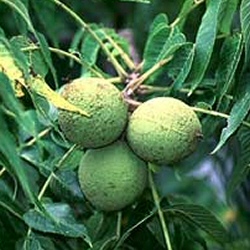 Black Walnuts |
Walnuts |
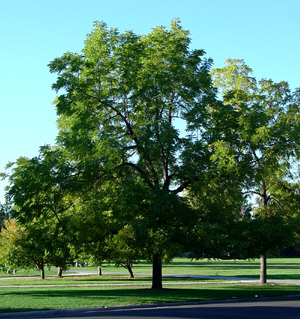 Walnut Tree Picture |
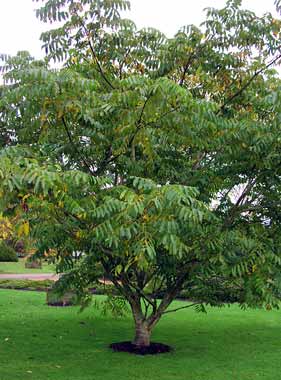
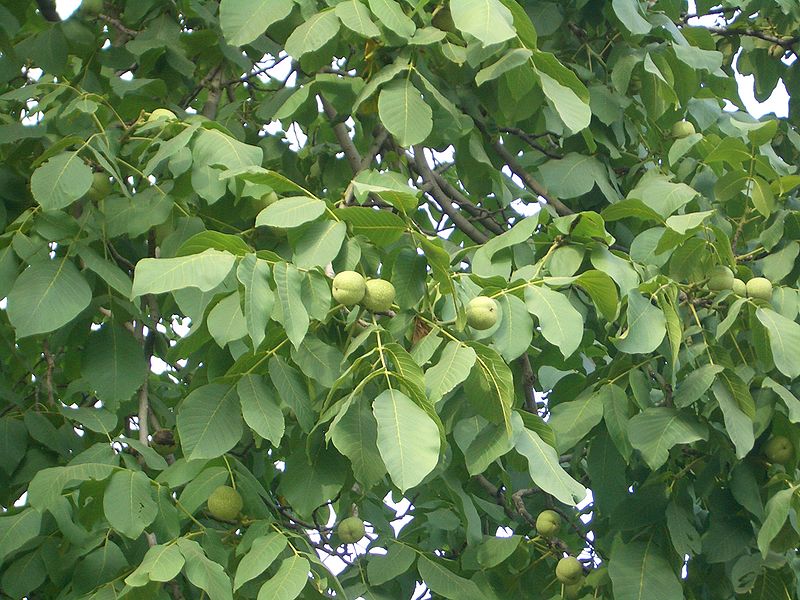
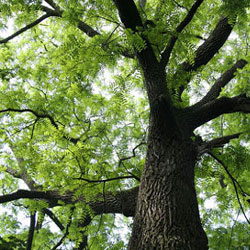 Walnut Canopy |
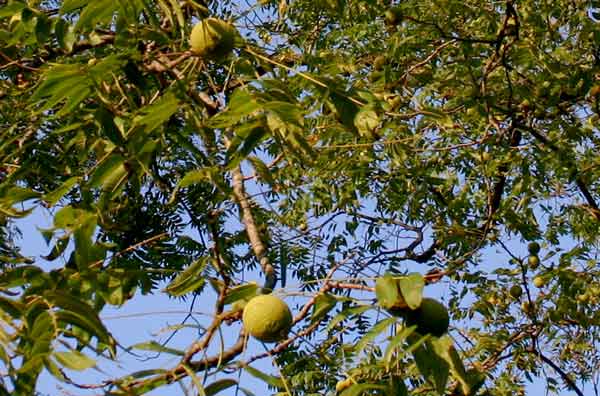 Black Walnuts |
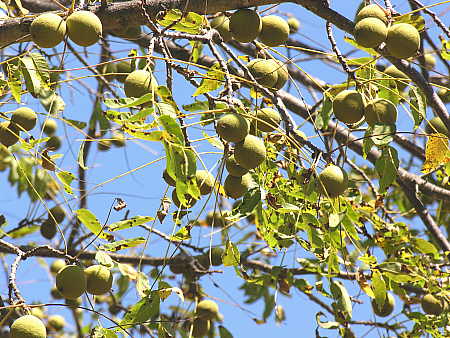 Many Black Walnuts |
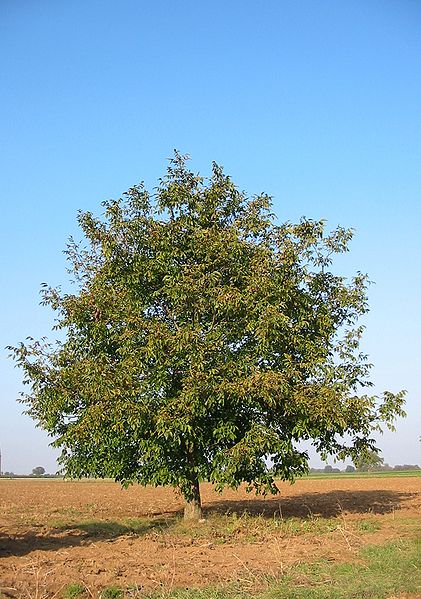
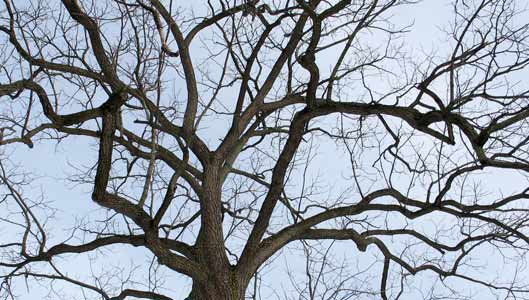
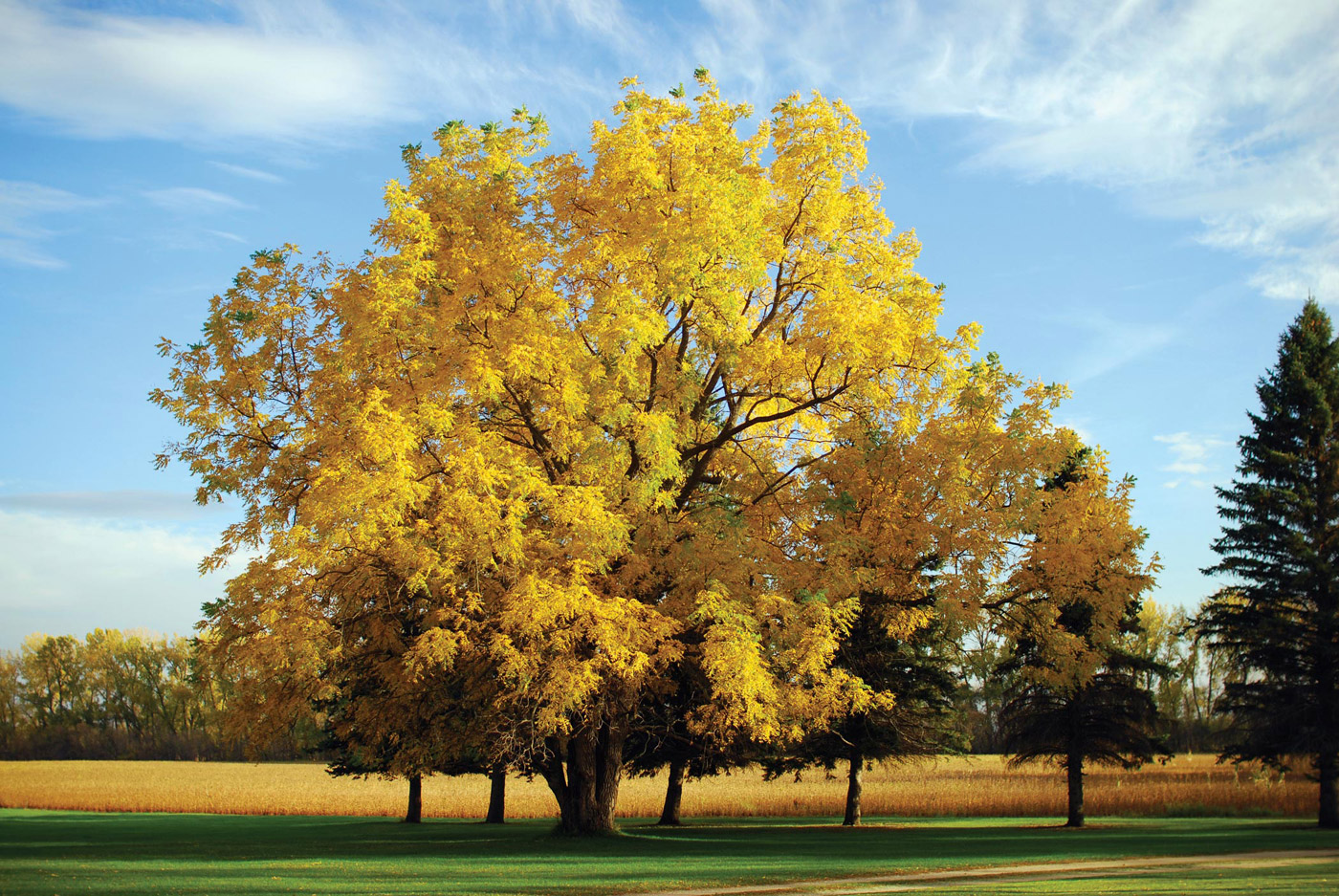 Walnut Tree in Fall |
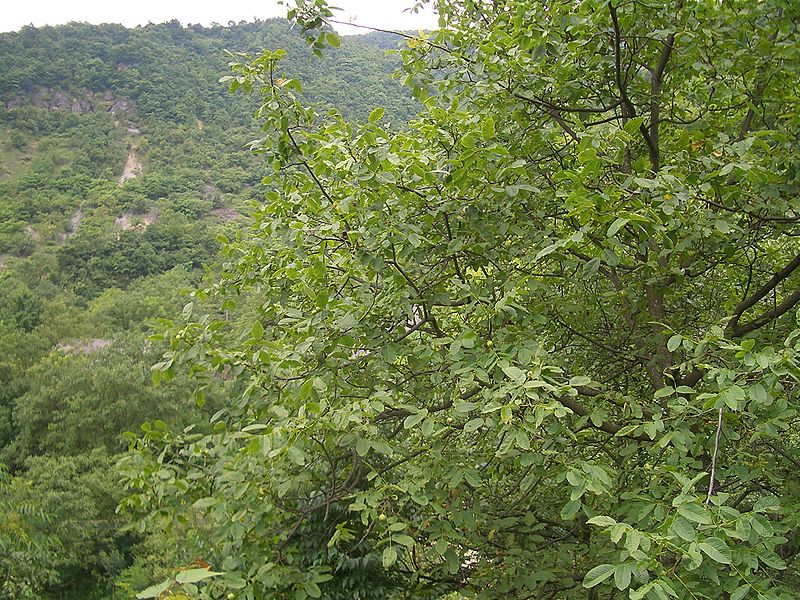
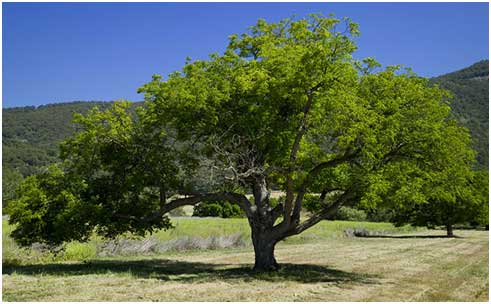
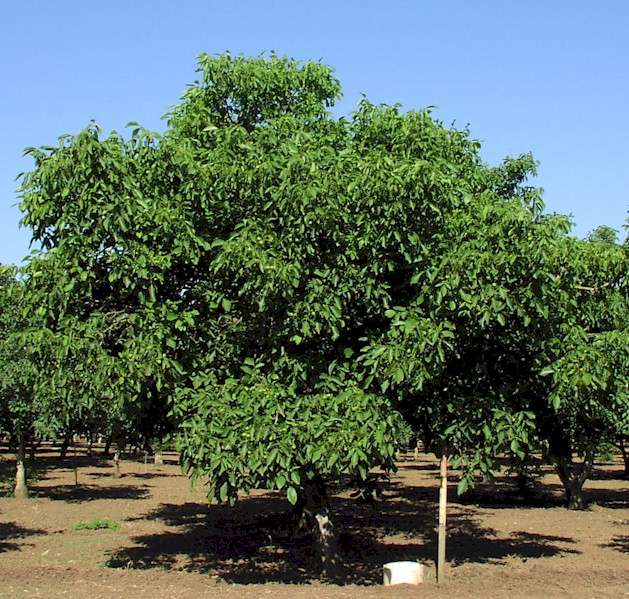
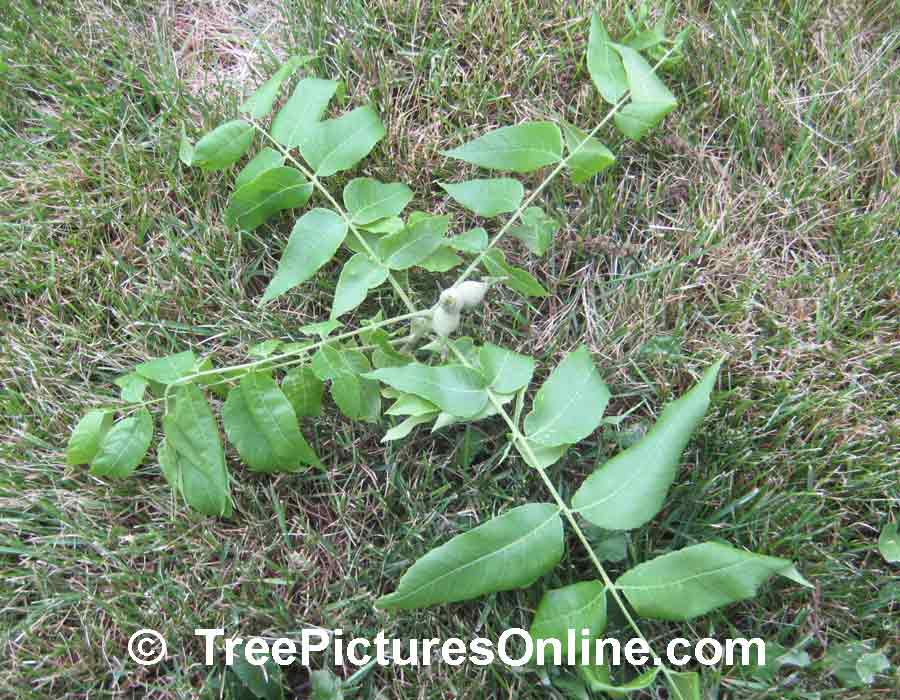
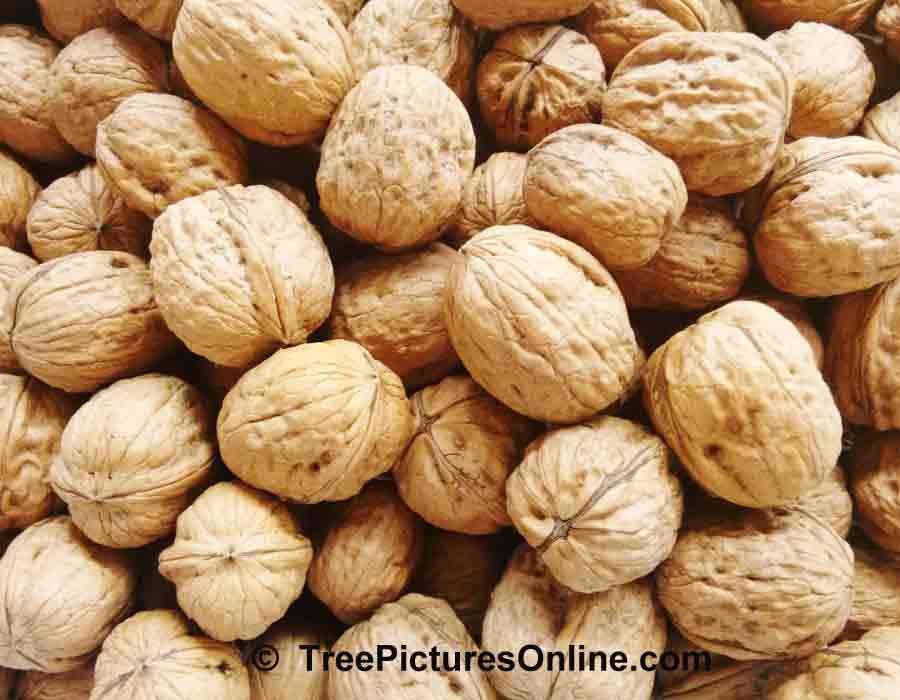
Walnut Tree Pictures 1 - Walnut Tree Pictures 2
Walnut Tree Types: List of Different Types of Walnut Trees
- Andean Walnut Tree, Juglans Neotropica fast growing evergreen
- Arizona Black Walnut Tree, Juglans major
- Black Walnut Tree, Juglans Nigra the eastern black walnut tree
- Brazilian Walnut Tree
- Butternut Tree - White Walnut
- California Black Walnut Tree
- English Walnut Tree, Juglans regia
- Hinds Black Walnut Tree
- Japanese Walnut Tree
- Manchurian Walnut Tree, Juglans mandshurica
- Texas Black Walnut Tree
Walnut Tree Scientific Name: Juglans
Walnut Tree: Facts on Walnut Trees
Here is some detailed information on walnut trees.
Juglans is a plant genus, containing species known as Walnuts, which is placed in the Juglandaceae family. They are deciduous trees, 10 to 40 meters tall (about 30 to 130 ft), with pinnate leaves 200 to 900 millimetres long (7 to 35 in), with 5 to 25 leaflets; the shoots have chambered pith, a character shared with the wingnuts (Pterocarya), but not the hickories (Carya) in the same family.
The 21 species in the genus range across the north temperate Old World from southeast Europe east to Japan, and more widely in the New World from southeast Canada west to California and south to Argentina.
The two most commercially important species are J. regia for timber and nuts, and J. nigra for timber. Both species have similar cultivation requirements and are widely grown in temperate zones.
Walnuts are light-demanding species that benefit from protection from wind. Walnuts are also very hardy against drought.
When grown for nuts, care must be taken to select cultivars that are compatible for pollination purposes; although some cultivars are marketed as "self fertile" they will generally fruit better with a different pollination partner. There are many different cultivars available for growers, offering different growth habit, flowering and leafing, kernel flavour and shell thickness. A key trait for more northerly latitudes of North America and Europe is phenology, with 'late flushing' being particularly important to avoid frost damage in Spring. Some cultivars have been developed for novel 'hedge' production systems developed in Europe and would not suit more traditional orchard systems.
Some fruits are borderline and difficult to categorize. Hickory nuts (Carya) and Walnuts (Juglans) in the Juglandaceae family grow within an outer husk; these fruits are technically drupes or drupaceous nuts, and thus not true botanical nuts. Tryma is a specialized term for such nut-like drupes.
The nut kernels of all the species are edible, but the walnuts most commonly traded are from the J. regia, the only species which has a large nut and thin shell. J. nigra kernel is also produced commercially in the US.
The walnut shell has a wide variety of uses. Eastern black walnut (J. nigra) shell is the hardest of the walnut shells, and therefore has the highest resistance to break-down.
Cleansing and polishing: Walnut shells are mostly used to clean soft metals, fiberglass, plastics, wood and stone. This environmentally friendly and recyclable soft grit abrasive is well suited for air blasting, de-burring, de-scaling, and polishing operations because of its elasticity and resilience. Uses include cleaning automobile and jet engines, electronic circuit boards, and paint and graffiti removal. For example: In the early days of jet transportation, crushed walnut shells were used to scour the compressor airfoils clean, but when engines with air cooled vanes and blades in the turbine started being manufactured this practice was stopped because the crushed shells tended to plug up the cooling passages to the turbine, resulting in turbine failures due to overheating.
Walnut Tree Uses
Oil well drilling: The shell is used widely in oil well drilling for lost circulation material in making and maintaining seals in fracture zones and unconsolidated formations.
Flour made from walnut shells is widely used in the plastics industry.
Paint thickener: Walnut shells are added to paint to give it a thicker consistency for "plaster effect" ranges.
Explosives: Used as a filler in dynamite.
Cosmetic cleaner: Occasionally used in soap and exfoliating cleansers
The common walnut and the black walnut and its allies, are important for their attractive timber, which is hard, dense, tight-grained and polishes to a very smooth finish. The colour ranges from creamy white in the sapwood to a dark chocolate colour in the heartwood. When kiln-dried, walnut wood tends toward a dull brown colour, but when air-dried can become a rich purplish-brown. Because of its colour, hardness and grain it is a prized furniture and carving wood.
Walnut burls (or 'burrs' in Europe) are commonly used to create bowls and other turned pieces. Veneer sliced from walnut burl is one of the most valuable and highly prized by cabinet makers and prestige car manufacturers. Walnut wood has been the timber of choice for gun makers for centuries, including the Gewehr 98 and Lee Enfield rifles of the First World War. It remains one the most popular choices for rifle and shotgun stocks, and is generally considered to be the premium – as well as the most traditional wood for gun stocks, due to its resilience to compression along the grain. Walnut is also used in lutherie, i.e. making stringed musical instruments. The wood of the Butternut and related Asian species is of much lower value, softer, coarser, less strong and heavy, and paler in colour.
In North America, forestry research has been undertaken mostly on J. nigra aiming to improve the quality of planting stock and markets. In some areas of the US black walnut is the most valuable commercial timber species. The Walnut Council is the key body linking growers with scientists. In Europe, various EU-led scientific programs have studied walnut growing for timber.
Walnut Tree Trivia
Walnut trees are very attractive trees in parks and large gardens. Walnut trees are easily propagated from the nuts. Seedlings grow rapidly on good soils. The Japanese Walnut, in particular, is known for its huge leaves, which have a tropical appearance.
Horses are susceptible to laminitis from exposure to black walnut wood in bedding.
Walnuts are a great source of protein and are rich in Omega-3 fatty acids.
Walnuts are the oldest known tree food, dating back to 7000 B.C.
Walnuts are removed from trees by mechanical shakers which shake the nuts to the ground.
Black Walnut wood is highly valued due to its strenth and color. The wood is used for making chairs, tables, floors and cabinets, as well as funeral caskets and music boxes.
Walnut Tree Pictures 1 - Walnut Tree Pictures 2
Impressive Tree Pictures
Collection of Impressive Tree Images
Trees: Recent Tree Photos, Pics & Images |
||
 |
 |
 |
Palm Tree Pictures |
Beech Trees |
Palm Trees |
 |
 |
 |
Oak Tree Gallery |
Christmas Trees |
Maple Trees |
 |
 |
 |
Apple Tree Photo Gallery |
Apple Tree Images |
Palm Trees Gallery |
 |
 |
 |
Japanese Maple Trees |
Pine Tree Gallery |
Willow Trees Category |
Tree wallpaper images can make beautiful backgrounds on your computer`s desktop. See our tree wallpaper photographs link in the left tree categories.
Thank you for visiting our Tree Pictures at TreePicture Online.com, please come back soon for more great tree photos!

Pictures Sites
Fireplace Pictures -
Tree Pictures -
Gazebo Pictures -
Symbols & Their Meanings
Resume Samples -
Church Pictures -
Manufactured Home Pictures
Natural Log Siding -
Shadow Puppets -
Caribbean Islands
Play Touch Games -
Waterfall Pictures
Make Hot Pictures - Job Application Forms
