


Gum Tree Pictures
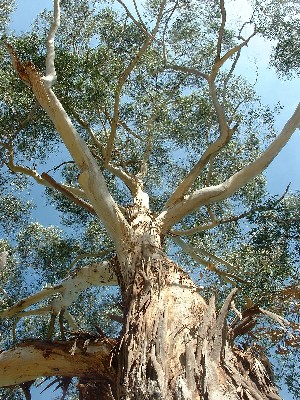
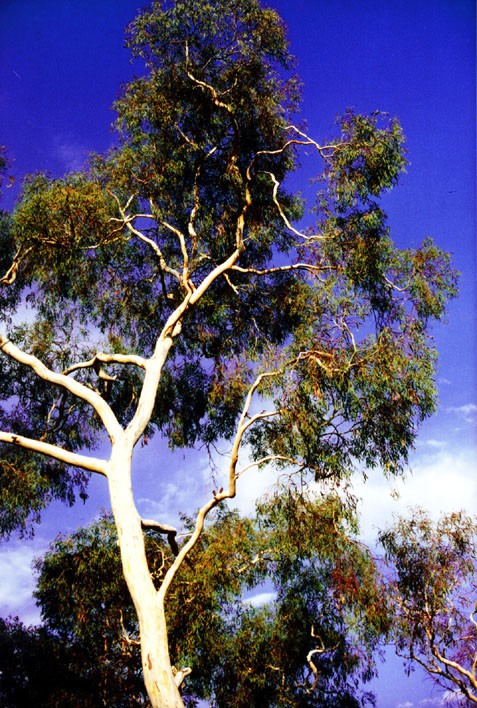
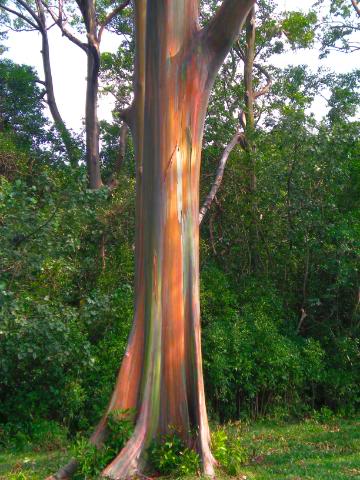
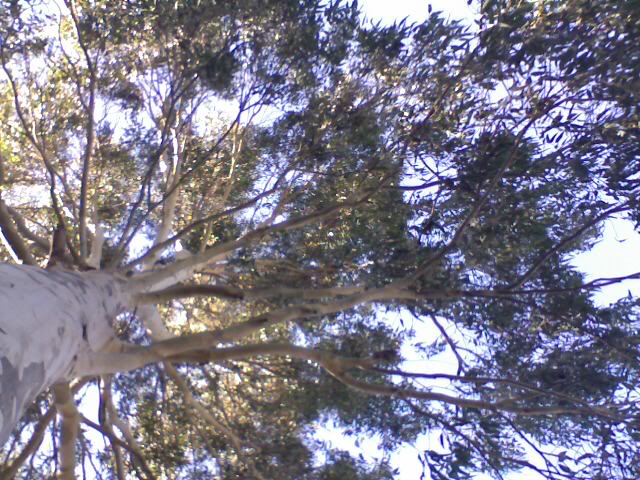
Welcome to our gum tree pictures page. Gum trees are also known as Eucalyptus trees.
On this page you will find lots of nice pictures of gum trees.
Gum Tree Facts
You will also find a lot of wonderful information on gum trees, including information about the gum tree species, planting information, and much more.
This is valuable and useful information that can help you to learn more about the gum tree.
Gum Tree Images
To view each gum tree picture in full size just click on the pictures.
Enjoy these pictures of the Gum Tree.
Gum Tree Photo Gallery
 |
 |
 |
 |
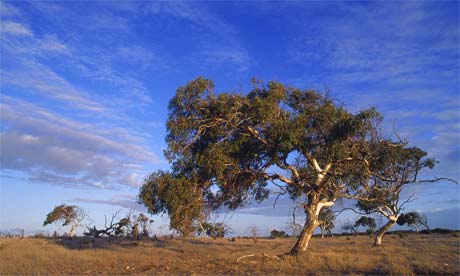 |
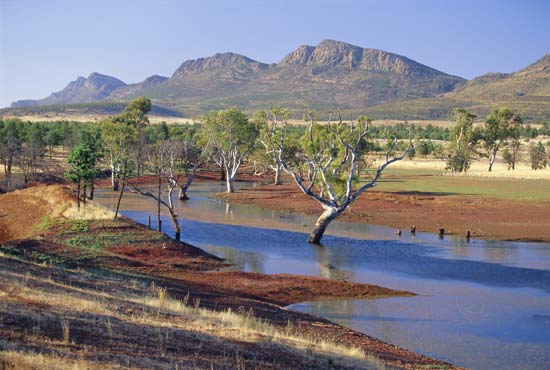 |
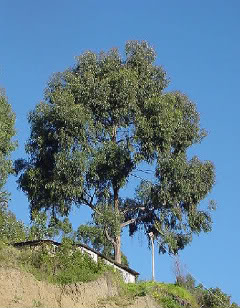 |
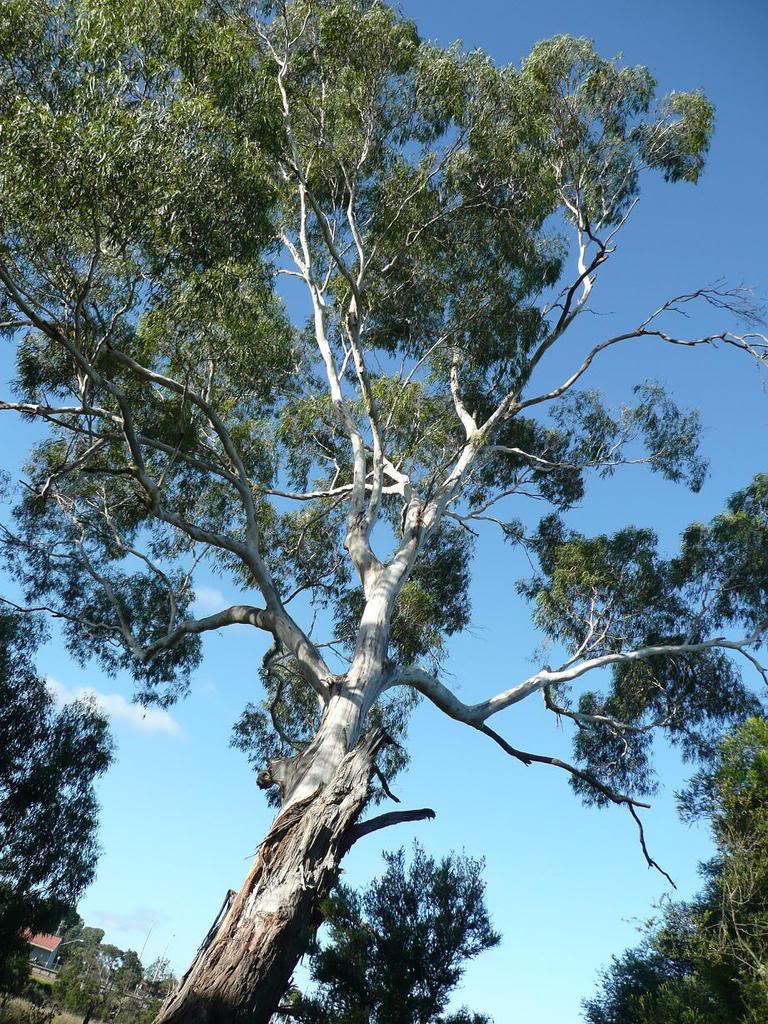 |
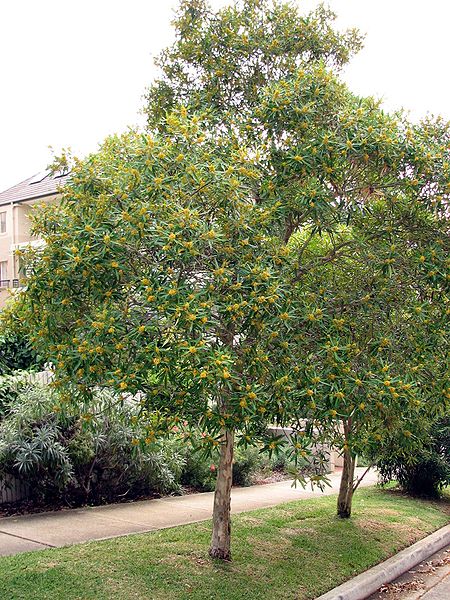 |
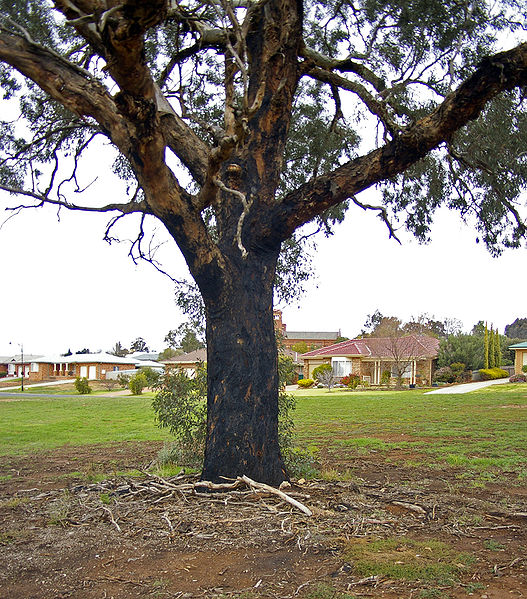
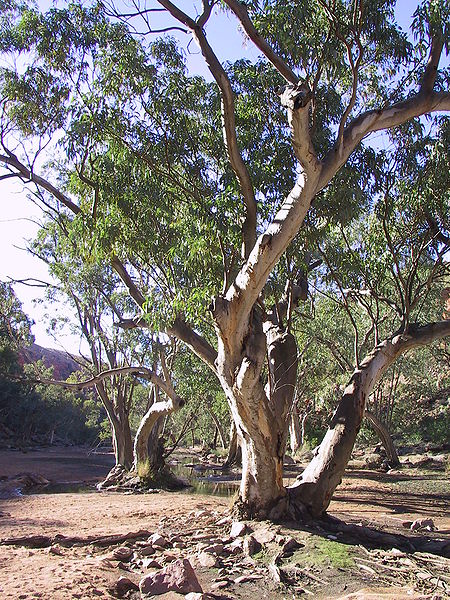
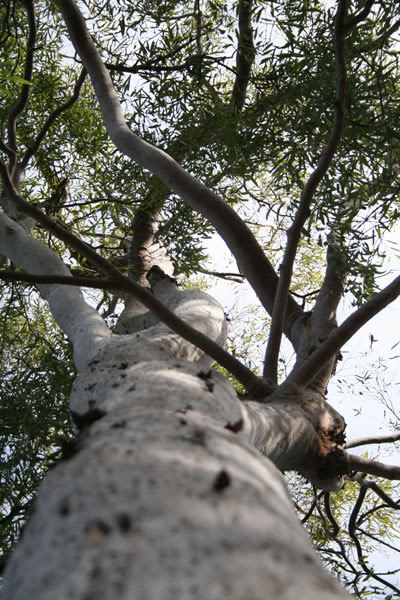
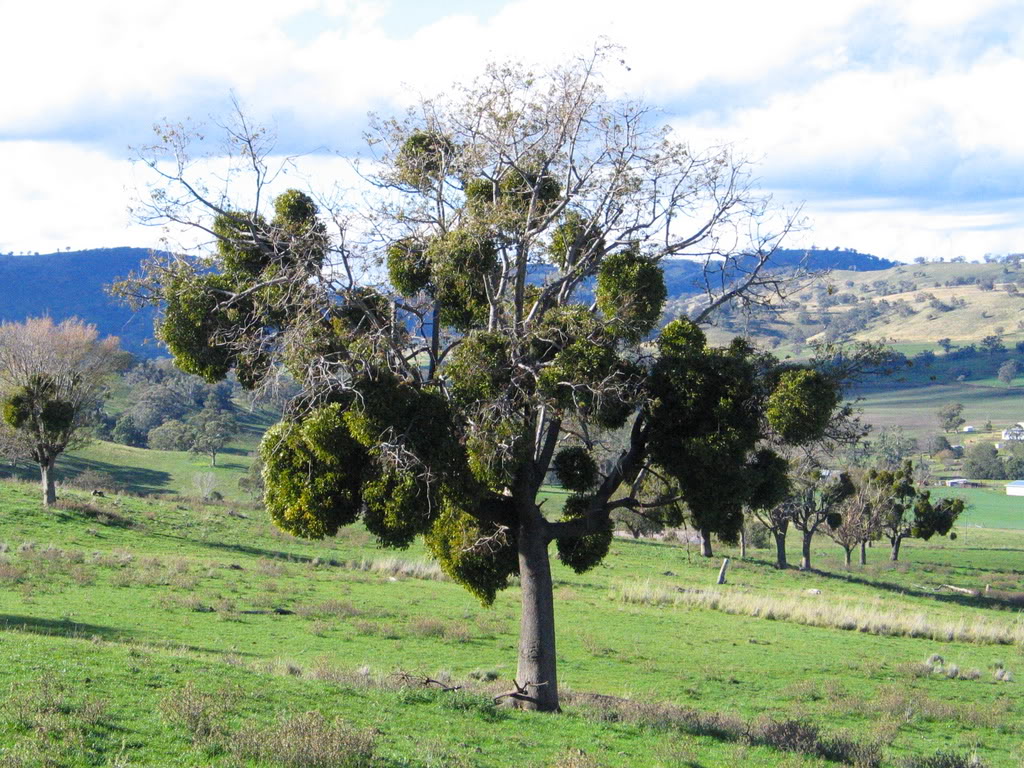
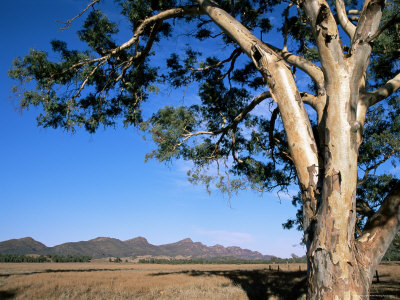
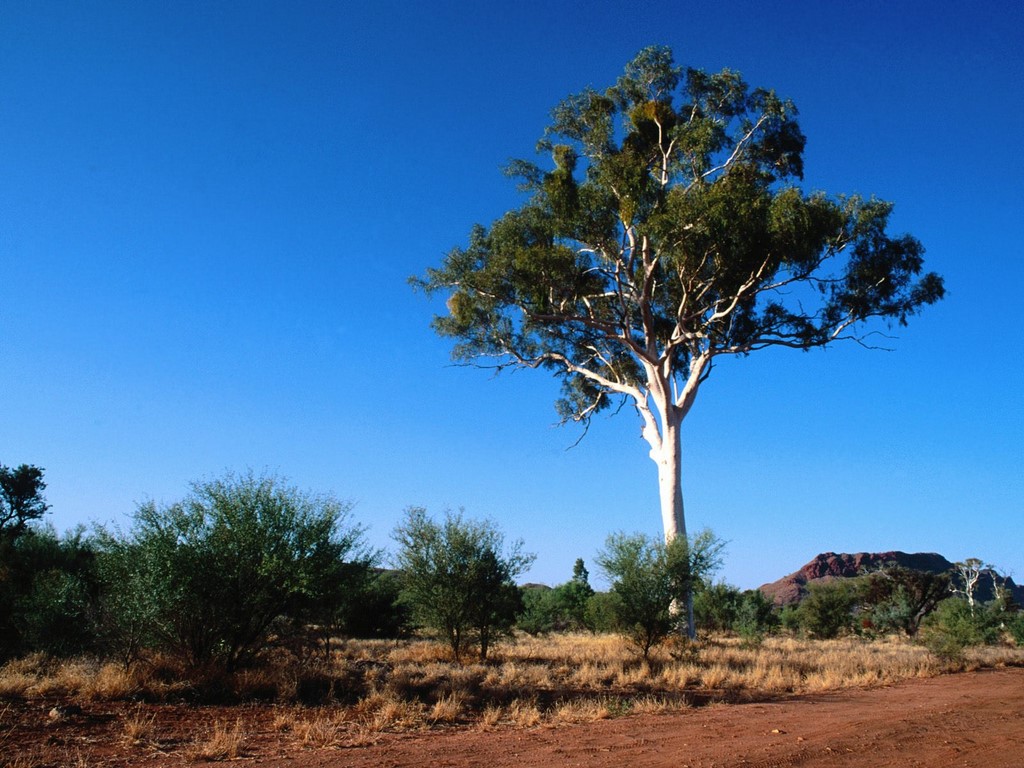
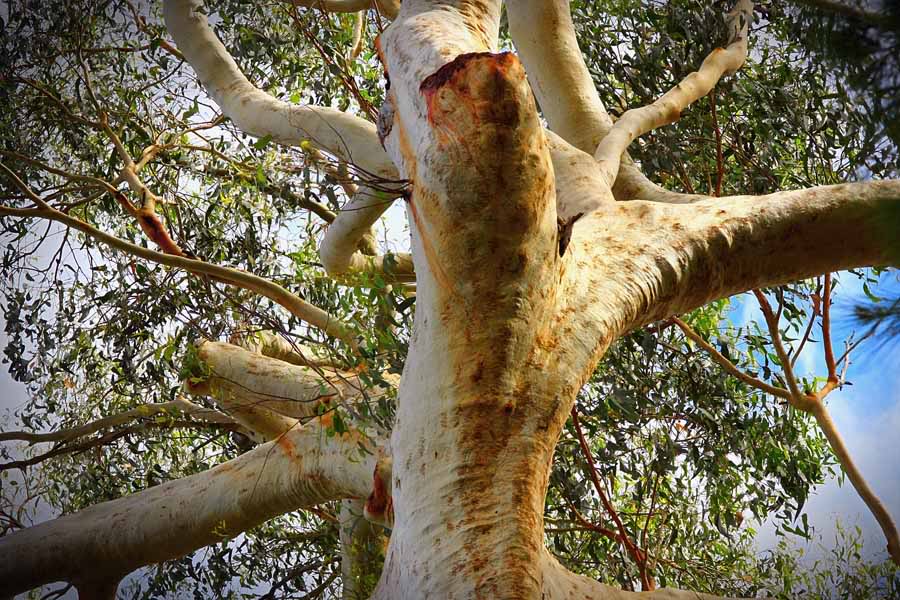
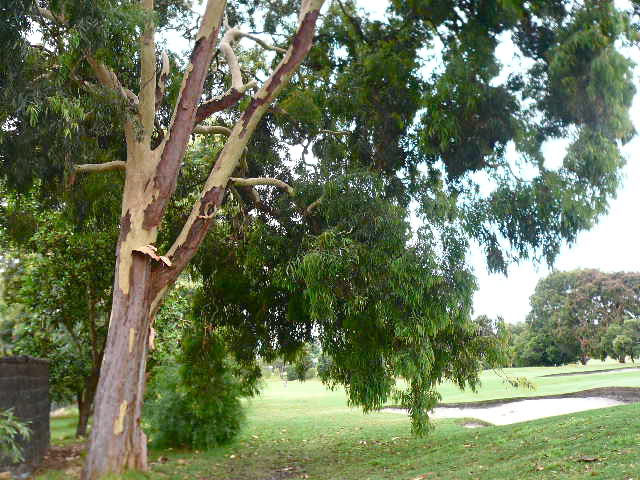
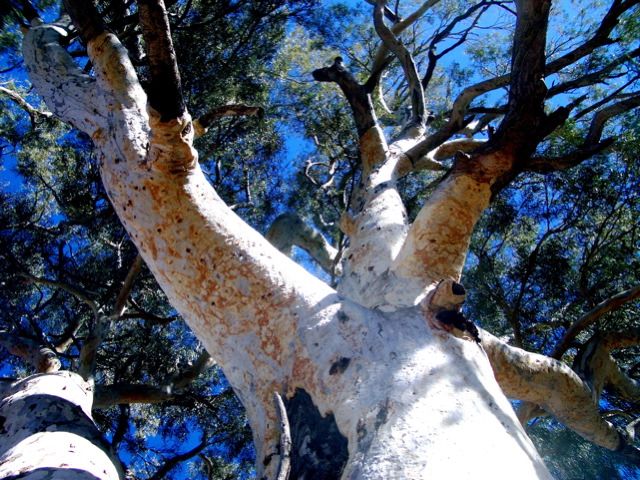
Gum Tree Scientific Name: Eucalyptus
Gum Tree Species: List of Different Types of Gum Trees
- Blue Gum Tree, common eucalyptus tree.
- Lemon Scented Gum Tree, its strong lemon scent repels insects.
- Manna Gum Tree, the bark peels off in strips.
- Rainbow Gum Tree, spectacular rainbow colored trunk
- Red Cap Gum Tree, red helmet gum.
- Red Flowering Gum Tree, named for its scarlet red flowers.
- Salmon Gum Tree, named for its salmon colored bark in summer.
- Silver Dollar Gum Tree, native to south eastern Australia.
- Scribbly Gum Tree, distinctive markings on trunk made by moth larvae.
- Snow Gum Tree, also known as ghost gum or weeping gum.
- Spotted Gum Tree, has lemon scented leaves and spotted bark Gum Tree.
Gum Tree: Facts and Information on Gum Trees
Here is some detailed information on gum trees.
Eucalyptus is a diverse genus of flowering trees (and a few shrubs) in the myrtle family, Myrtaceae. Members of the genus dominate the tree flora of Australia. There are more than 700 species of Eucalyptus, mostly native to Australia, and a very small number are found in adjacent areas of New Guinea and Indonesia and one as far north as the Philippine archipelago and Taiwan. Only 15 species occur outside Australia, and only 9 do not occur in Australia. Species of Eucalyptus are cultivated throughout the tropics and subtropics including the Americas, Europe, Africa, the Mediterranean Basin, the Middle East, China and the Indian Subcontinent.
Eucalyptus is one of three similar genera that are commonly referred to as "eucalypts," the others being Corymbia and Angophora. Many, but far from all, are known as gum trees because many species exude copious sap from any break in the bark (e.g. Scribbly Gum). A mature Eucalyptus may take the form of a low shrub or a very large tree. There are three main habit and four size categories that species can be divided into.
As a generalisation "forest trees" are single-stemmed and have a crown forming a minor proportion of the whole tree height. "Woodland trees" are single-stemmed although they may branch at a short distance above ground level.
Nearly all Eucalyptus are evergreen but some tropical species lose their leaves at the end of the dry season. As in other members of the myrtle family, Eucalyptus leaves are covered with oil glands. The copious oils produced are an important feature of the genus. Although mature Eucalyptus trees are usually towering and fully leafed, their shade is characteristically patchy because the leaves usually hang downwards.
The most readily recognisable characteristics of Eucalyptus species are the distinctive flowers and fruit (capsules or "gumnuts"). Flowers have numerous fluffy stamens which may be white, cream, yellow, pink or red; in bud, the stamens are enclosed in a cap known as an operculum which is composed of the fused sepals or petals or both. Thus flowers have no petals, but instead decorate themselves with the many showy stamens. As the stamens expand, the operculum is forced off, splitting away from the cup-like base of the flower; this is one of the features that unites the genus.
The name Eucalyptus, from the Greek words eu-, well, and kaluptos, cover, meaning "well-covered", describes the operculum. The woody fruits or capsules are roughly cone-shaped and have valves at the end which open to release the seeds. Most species do not flower until adult foliage starts to appear; Eucalyptus cinerea and Eucalyptus perriniana are notable exceptions.
There are over 700 species of Eucalyptus; refer to the List of Eucalyptus species for a comprehensive list of species. Some have diverged from the mainstream of the genus to the extent that they are quite isolated genetically and are able to be recognised by only a few relatively invariant characteristics. Most, however, may be regarded as belonging to large or small groups of related species, which are often in geographical contact with each other and between which gene exchange still occurs. In these situations many species appear to grade into one another, and intermediate forms are common. In other words, some species are relatively fixed genetically, as expressed in their morphology, while others have not diverged completely from their nearest relatives.
Most eucalypts are not tolerant of frost, or only tolerate light frosts down to -3 degrees celsius to -5 degrees celsius; the hardiest are the so-called Snow Gums, such as Eucalyptus pauciflora which is capable of withstanding cold and frost down to about -20 degrees celsius
Eucalyptus flowers produce a great abundance of nectar, providing food for many pollinators including insects, birds, bats and possums. Although Eucalyptus trees are seemingly well-defended from herbivores by the oils and phenolic compounds, they have insect pests. These include the Eucalyptus Longhorn Borer Phoracantha semipunctata and the aphid-like psyllids known as "bell lerps", both of which have become established as pests throughout the world wherever eucalypts are cultivated.
On warm days vaporised Eucalyptus oil rises above the bush to create the characteristic distant blue haze of the Australian landscape. Eucalyptus oil is highly flammable (trees have been known to explode) and bushfires can travel easily through the oil-rich air of the tree crowns. The dead bark and fallen branches are also flammable. Eucalypts are well adapted for periodic fires via lignotubers and epicormic buds under the bark.
Eucalyptus have many uses which have made them economically important trees, and have become a cash crop in poor areas such as Timbuktu, Africa and the Peruvian Andes, despite concerns that the trees are invasive in some countries like South Africa. Best-known are perhaps the varieties Karri and Yellow box. Due to their fast growth, the foremost benefit of these trees is their wood. They can be chopped off at the root and grow back again. They provide many desirable characteristics for use as ornament, timber, firewood and pulpwood. Eucalyptus is considered the world's top quality pulping species due to its high fibre yields. It is also used in a number of industries, from fence posts and charcoal to cellulose extraction for biofuels. Fast growth also makes eucalypts suitable as windbreaks and to reduce erosion.
All parts of Eucalyptus may be used to make dyes that are substantive on protein fibres (such as silk and wool), simply by processing the plant part with water. Colours to be achieved range from yellow and orange through green, tan, chocolate and deep rust red. The material remaining after processing can be safely used as mulch or fertiliser.
Impressive Tree Pictures
Collection of Impressive Tree Images
Trees: Recent Tree Photos, Pics & Images |
||
 Palm Tree Pictures |
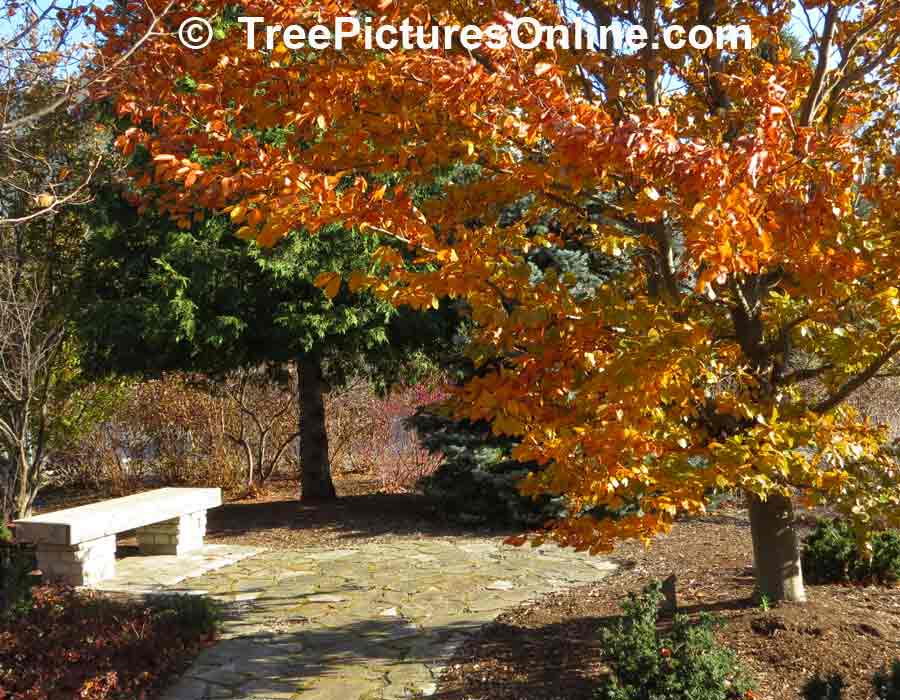 Beech Trees |
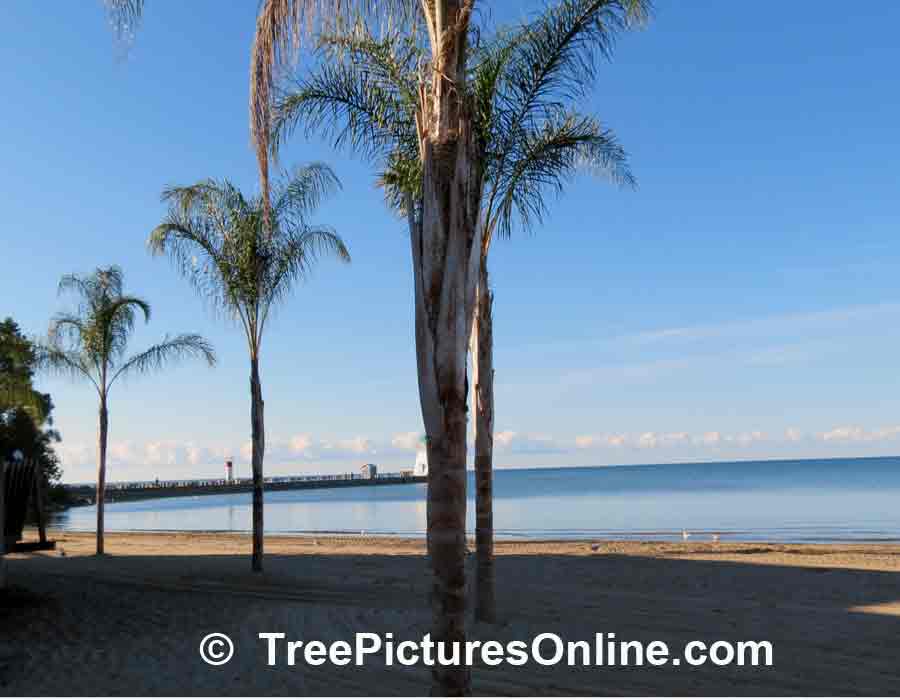 Palm Trees |
 Oak Tree Gallery |
 Christmas Trees |
 Maple Trees |
 Apple Tree Photo Gallery |
 Apple Tree Images |
 Palm Trees Gallery |
 Japanese Maple Trees |
 Pine Tree Gallery |
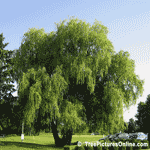 Willow Trees Category |
Tree wallpaper images can make beautiful backgrounds on your computer`s desktop. See our tree wallpaper photographs link in the left tree categories.
Thank you for visiting our Tree Pictures at TreePicture Online.com, please come back soon for more great tree photos!

Pictures Sites
Fireplace Pictures -
Tree Pictures -
Gazebo Pictures -
Symbols & Their Meanings
Resume Samples -
Church Pictures -
Manufactured Home Pictures
Natural Log Siding -
Shadow Puppets -
Caribbean Islands
Play Touch Games -
Waterfall Pictures
Make Hot Pictures - Job Application Forms
