


Maple Tree Pictures
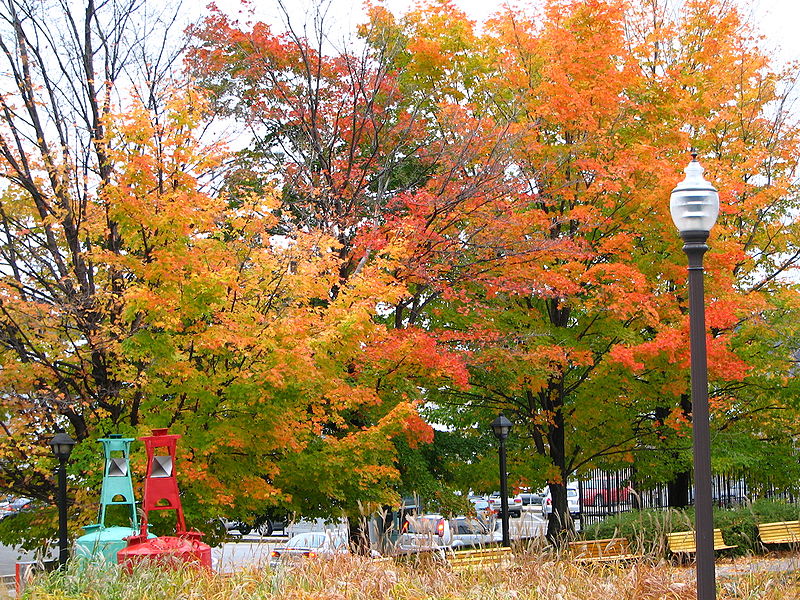
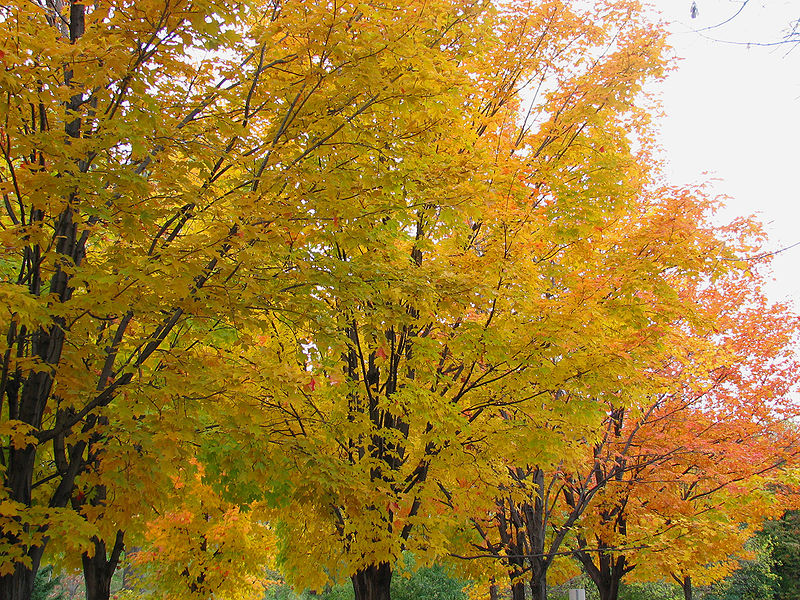
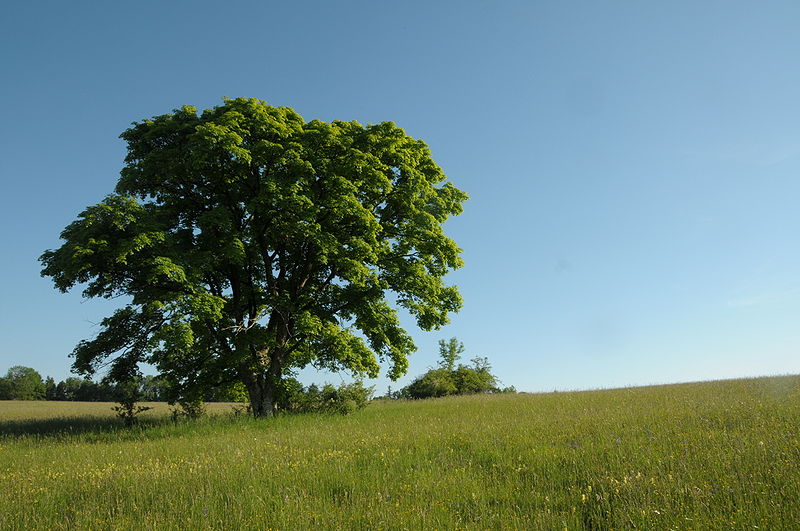
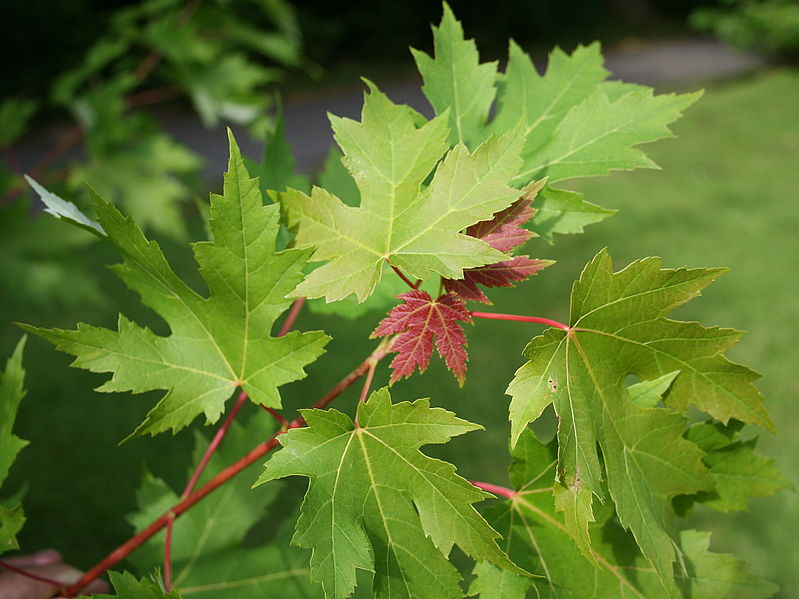
Maple Tree Photo Gallery Welcome. The Maple category has lots of nice pictures of maple leaves, landscapes and trees.
Tree Galleries
You will find a lot of wonderful facts on maple trees, including information about the maple tree species, planting information, and much more.
This is valuable and useful information that can help you to learn more about the maple tree.
Maple Images
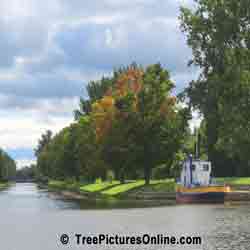
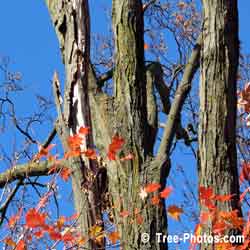
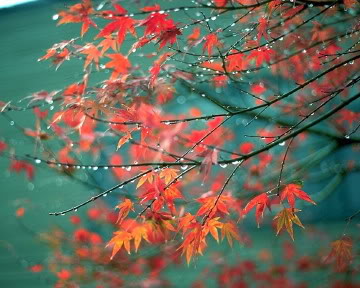
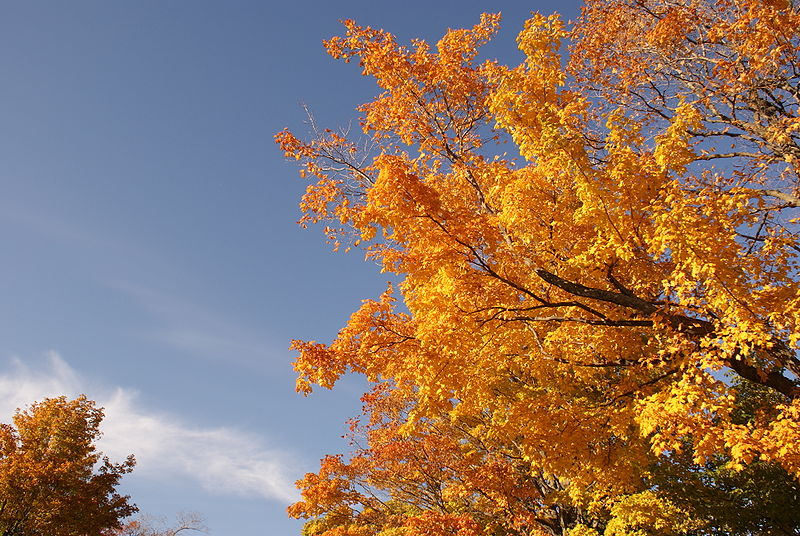
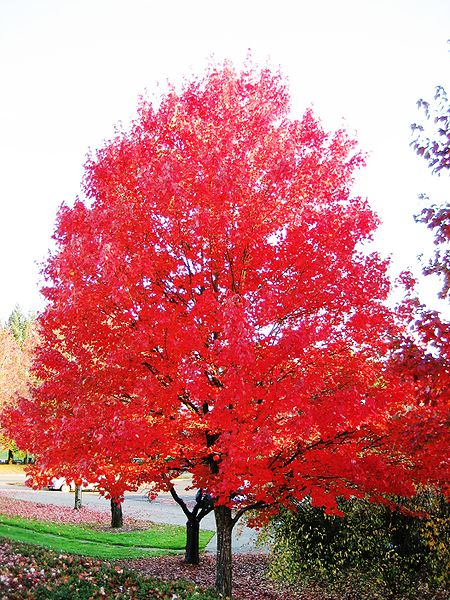
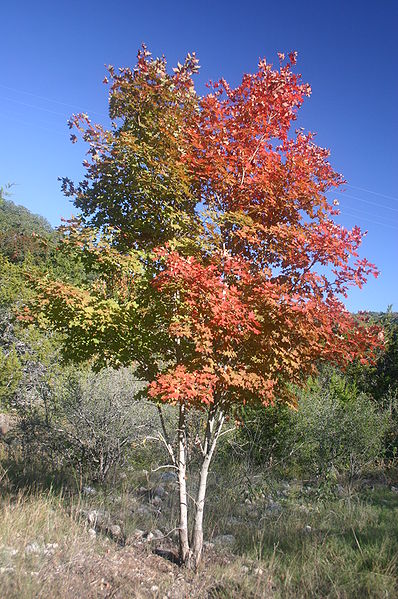
To full size each maple tree picture, just click on the tree image to enlarge the Maple picture.
Enjoy these beautiful colorful pictures of maple trees.
Maple Tree Pictures
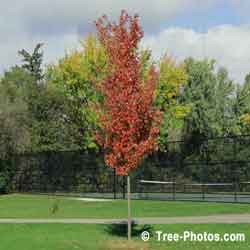
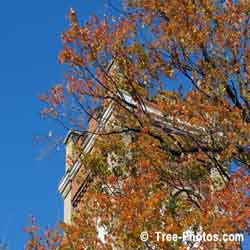
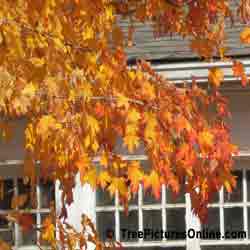
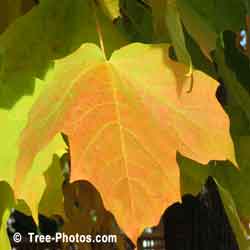
Maples: More Maple Tree Pictures
 |
 |
 |
 |
 |
 |
|
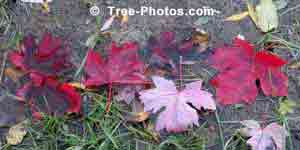
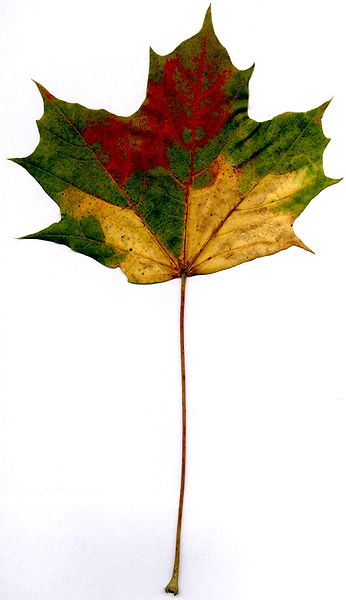
Maple Tree Leaves: Full size the leaf photo, just click on maple leaf picture. |
||
 |
||
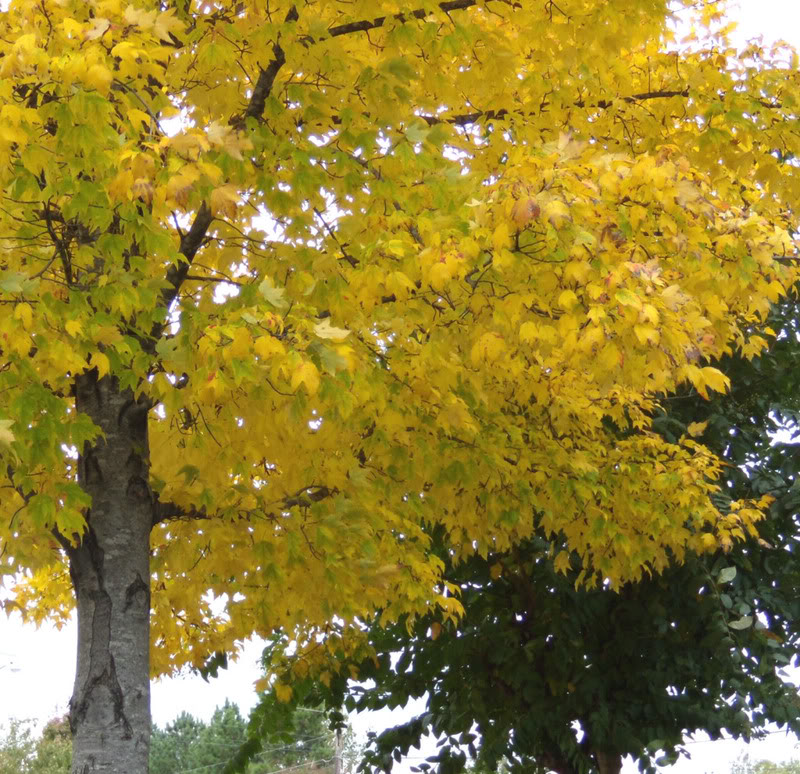
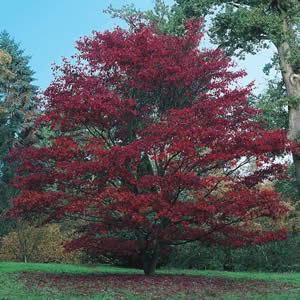
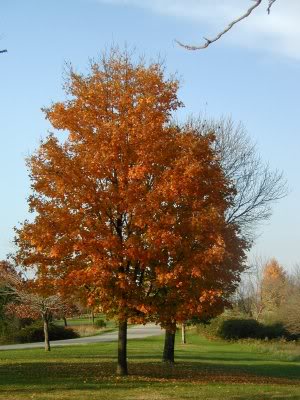
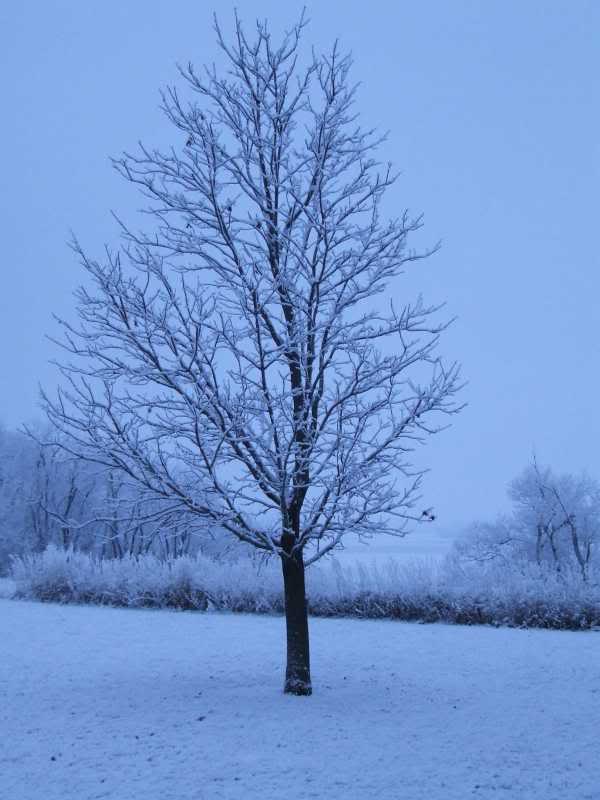
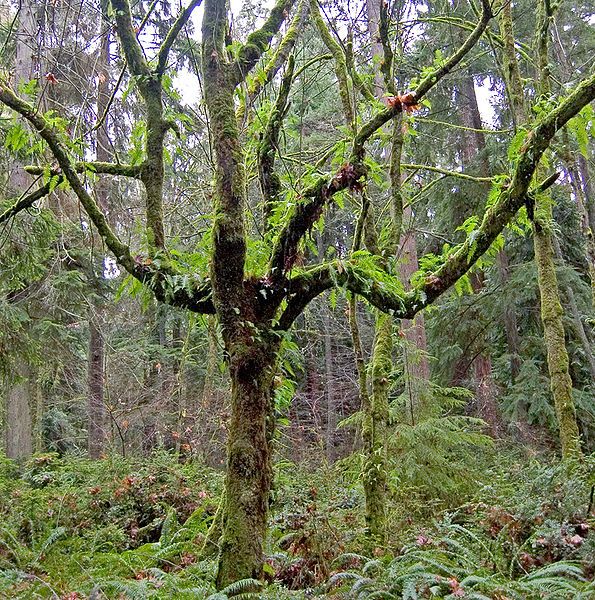
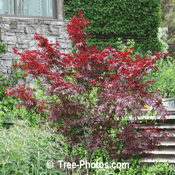
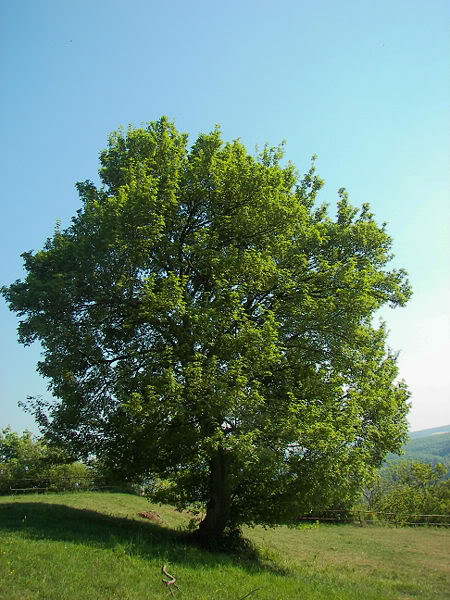
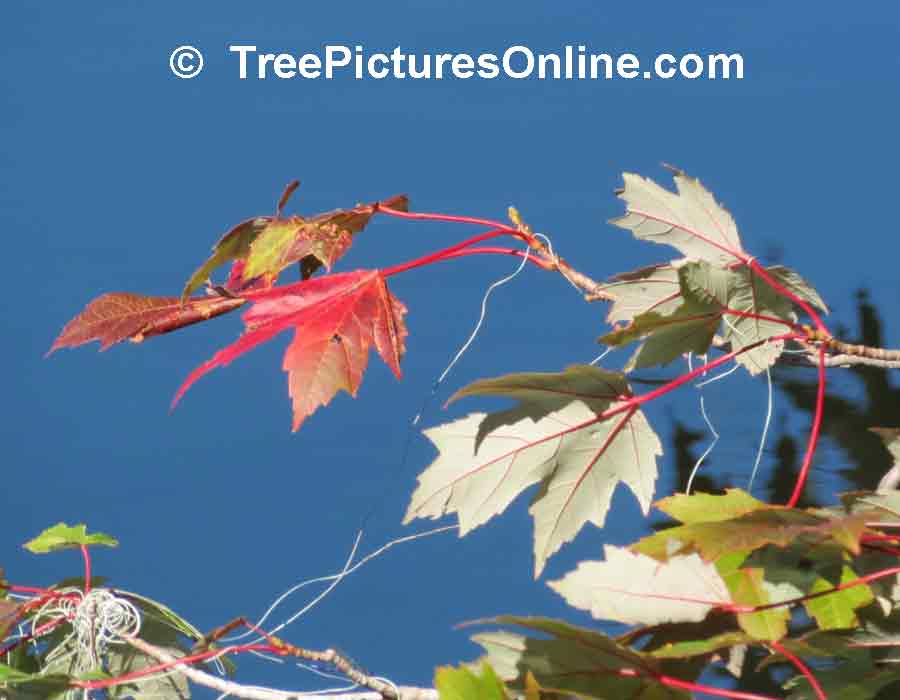
Maple Tree Pictures 1 - Maple Tree Pictures 2
Maple Tree Scientific Name: Acer
Maple Tree Types, A List of Different Types of Maple Tree
- Amur Maple Tree, one of the smaller varieties of maple tree
- Black Maple Tree, used for sawtimber, veneer, maple syrup and fuel wood
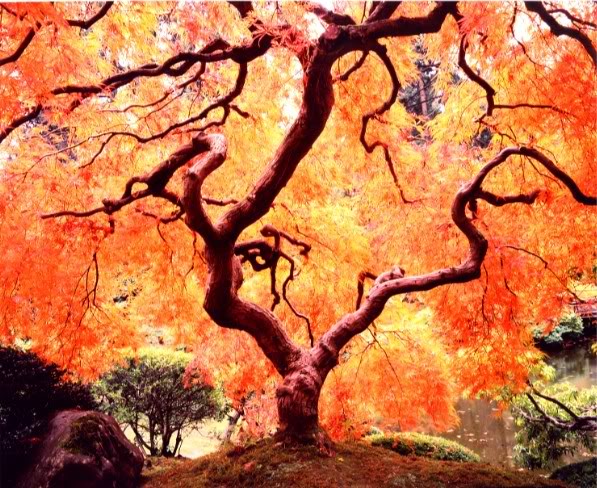
- Japanese Maple Tree, used as an ornamental tree in many Japanese gardens
- Manitoba Maple Tree, is a fast growing tree with great fall color
- Norway Maple Tree, roots are visible on ground surface
- Paperbark Maple Tree, reddish-brown colored bark that peels away from trunk
- Red Maple Tree, one of the fastest growing types of maple tree
- Silver Maple Tree, undersides of leaves are silver in color
- Sugar Maple Tree, the first choice for making maple syrup
Here is some detailed information on the maple tree species.
Acer is a genus of trees or shrubs commonly known as maple.
Maples are variously classified in a family of their own, the Aceraceae, or together with the Hippocastanaceae included in the family Sapindaceae. Modern classifications, including the Angiosperm Phylogeny Group system, favour inclusion in Sapindaceae. The type species of the genus is Acer pseudoplatanus (Sycamore maple).
There are approximately 129 species, most of which are native to Asia, with a number also appearing in Europe, northern Africa, and North America.
Most maples are trees growing to 10 to 45 metres (30 to 145 ft) in height. Others are shrubs less than 10 metres tall with a number of small trunks originating at ground level. Most species are deciduous, but a few in southern Asia and the Mediterranean region are evergreen. Most are shade-tolerant when young, and are often late-successional in ecology; many of the root systems are typically dense and fibrous. A few species, notably Acer cappadocicum, frequently produce root sprouts, which can develop into clonal colonies.
Maple flowers are green, yellow, orange or red. Though individually small, the effect of an entire tree in flower can be striking in several species. Some maples are an early spring source of pollen and nectar for bees.
The distinctive fruit are called samaras or "maple keys". These seeds, or 'whirlybirds,' occur in distinctive pairs each containing one seed enclosed in a "nutlet" attached to a flattened wing of fibrous, papery tissue. They are shaped to spin as they fall and to carry the seeds a considerable distance on the wind. Children often call them "helicopters" due to the way that they spin as they fall. Seed maturation is usually in a few weeks to six months after flowering, with seed dispersal shortly after maturity. However, one tree can release hundreds of thousands of seeds at a time. Depending on the species, the seeds can be small and green to orange and big with thicker seed pods. The green seeds are released in pairs, sometimes with the stems still connected. The yellow seeds are released individually and almost always without the stems. Most species require stratification in order to germinate, and some seeds can remain dormant in the soil for several years before germinating.
The genus is subdivided by its morphology into a multitude of sections and subsections.
Maples are planted as ornamental trees by homeowners, businesses and municipalities. Acer platanoides (Norway maple) is especially popular as it is fast-growing and extremely cold-resistant, though it is also an invasive species in some regions. Other maples, especially smaller or more unusual species, are popular as specimen trees.
Maples are a popular choice for the art of bonsai.
Maple collections, sometimes called aceretums, occupy space in many gardens and arboreta around the world including the "five great W's" in England: Wakehurst Place Garden, Westonbirt Arboretum, Windsor Great Park, Winkworth Arboretum and Wisley Garden.
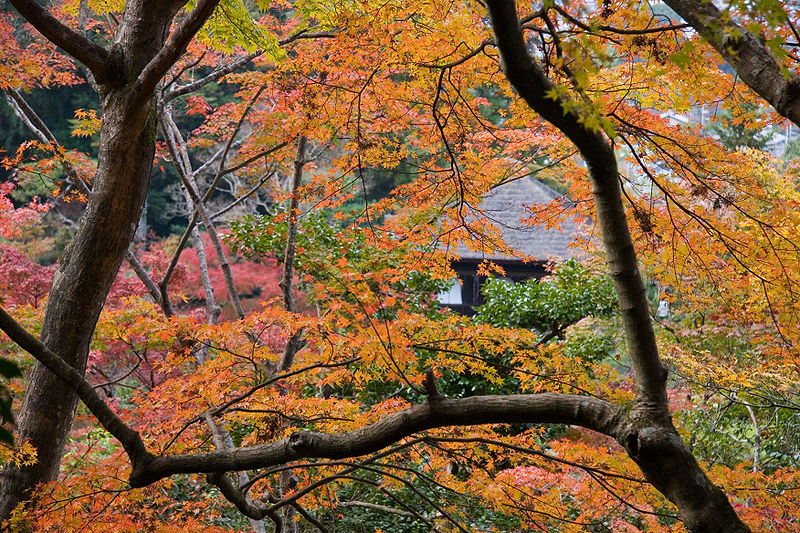
Many maples have bright autumn foliage, and many countries have leaf-watching traditions. In Japan, the custom of viewing the changing colour of maples in the autumn is called "momijigari". Nikko and Kyoto are particularly favoured destinations for this activity. In addition, in Korea, the same viewing activity is called "Danpung-Nori" and the Seoraksan and Naejang-san mountains are very famous places for it.
Maples are important as source of syrup and wood. Dried wood is often used for the smoking of food. They are also cultivated as ornamental plants and have benefits for tourism and agriculture.
The Sugar maple (Acer saccharum) is tapped for sap, which is then boiled to produce maple syrup or made into maple sugar or maple taffy. It takes about 40 litres of Sugar maple sap to make a litre of syrup. Syrup can be made from closely-related species as well, but their output is inferior.
The seeds are sometimes consumed after they are boiled in water to remove wax buildup compounds and are crushed up in some varieties of exotic drinks.
Some of the larger maple species have valuable timber, particularly Sugar maple in North America, and Sycamore maple in Europe. Sugar maple wood often known as "hard maple" is the wood of choice for bowling pins, bowling alley lanes, pool cue shafts, and butcher's blocks. Maple wood is also used for the manufacture of wooden baseball bats, though less often than ash or hickory due to the tendency of maple bats to shatter when broken. The maple bat was introduced to Major League Baseball (MLB) in 1998 by Sam Holman of Sam Bats. Today it is the standard maple bat most in use by professional baseball.
Maple wood is often graded based on physical and aesthetic characteristics. The most common terminology includes the grading scale from common number 2 which is unselected, and often used for craft woods, common number 1 used for commercial and residential buildings, Clear, and select grade which sought out for fine woodworking.
Some maple wood has a highly decorative wood grain, known as flame maple, quilt maple, birdseye maple and burl wood. This condition occurs randomly in individual trees of several species, and often cannot be detected until the wood has been sawn, though it is sometimes visible in the standing tree as a rippled pattern in the bark.
Maple is considered a tonewood, or a wood that carries sound waves well, and is used in numerous musical instruments. Maple is harder and has a brighter sound than Mahogany, which is the other major tonewood used in instrument manufacture.
Feature Maple Species: Silver Maple
Maple, Silver
Acer saccharinum
The Silver MapleTree is a fast growing tree whose spreading canopy provides abundant shade beneath. It is an attractive tree with delicate and graceful foliage and is a popular choice in parks and urban areas.
Type of tree:
The Silver Maple falls into the following type(s): Deciduous Trees; Shade Trees
Mature Height:
The Silver Maple grows to be 60' - 100' feet in height.
Mature Spread:
The Silver Maple has a spread of about 35 to 50' at full maturity.
Growth Rate:
The silver maple is one of the fastest growing deciduous trees. Sometimes as much as 24 inches per year
Sun:
This maple does well in full sun.
Soil:
Grows in a wide range of soil types but prefers deep moist acidic soil.
Moisture:
Can withstand some flooding, moderate drought tolerance
Maple Tree Shape:
Short thick trunk with spreading, open, irregular crown.
Leaves:
Silver maple leaves are simple, opposite and deciduous, deeply fissured between lobes. Individual leaves are approximately 6" long and 4" wide consisting of 5 primary lobes. The underside of the leaf is a whitish color.
Flower Color:
Produces clusters of small red, yellow and silver flowers
Bloom Time:
Early spring.
Fruit Description:
The Silver maple produces large fruit called a samara. They are winged 1.5 to 2.5" long
Additional Information: Silver Maple
Attributes:
The Silver Maple is one of the fastest growing deciduous trees. An ornamental shade tree that has a wide spreading root system and massive trunk. Produces large winged seeds that ripen in late spring.
Description:
The Silver Maple is a fast growing shade tree and their delicate and graceful foliage offers ornamental value. The green leaves with white underside flutter in the wind
The wood is brittle and does not fair well in high winds or icy conditions.
Wildlife Value:
Silver Maples are not known to attract wildlife but squirrels eat the buds in early spring.
Baltimore orioles like to build their nests in this species.
History/Lore/Use:
Early settlers found the sap of the Silver Maple tree superior in sugar quality than other maple species.
Maple Tree Trivia
The Sugar Maple (Acer saccharum) is the state tree of New York, Vermont, West Virginia and Wisconsin.
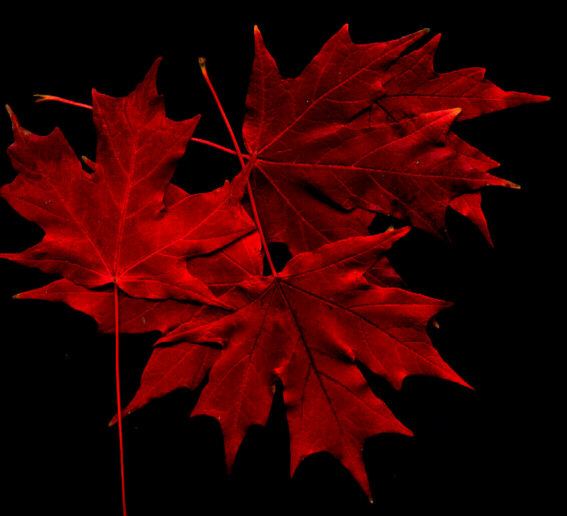
The Maple Leaf is the national symbol of Canada. A red, 11 pointed maple leaf is depicted on the national flag of Canada.
Maple Syrup
More than 75% of the world's supply of maple syrup comes from Canada.
The three species of maple trees used for making maple syrup are the sugar maple, black maple and red maple. A maple tree is usually at least 40 years old and must have a minimum diameter of 10 ins or 25 cms before it is tapped for sap. It takes approximately 40 gallons of sugar maple sap to make 1 gallon of maple syrup. Trees generally yield between 5 and 15 gallons of sap per season.
There are four colour based grades for maple syrup
- Golden, Delicate Taste
- Amber, Rich Taste
- Dark, Robust Taste
- Very Dark, Strong Taste
Hollowed elderberry twigs have traditionally been used as spiles to tap maple trees for syrup. The same hole cannot be used to collect sap because trees have a natural healing process called "walling-off" that prevents the same hole being used a second time.
Maple Syrup Festivals are held in Canada when the sap from the sugar maple trees runs from Mid March to the beginning of April. A great family outing, go for a wagon ride, taste maple sap right from the tree, learn how to make maple syrup, and finish off your day eating pancakes and syrup - a great Canadian tradition!
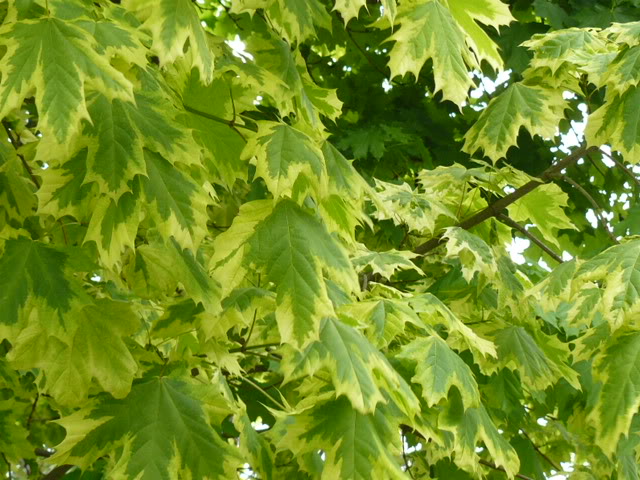
Harlequin maple is one of the more colorful shade trees available, with boldly white variegated leaves it provides a striking contrast in larger landscape designs.
Maple Tree Pictures 1 - Maple Tree Pictures 2
Thank you for visiting our Maple Tree Pictures at Tree Pictures Online.com, please come back soon for more great tree pictures!

Impressive Tree Pictures
Collection of Impressive Tree Images
Trees: Recent Tree Photos, Pics & Images |
||
 Palm Tree Pictures |
 Beech Trees |
 Palm Trees |
 Oak Tree Gallery |
 Christmas Trees |
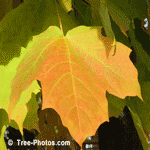 Maple Trees |
 Apple Tree Photo Gallery |
 Apple Tree Images |
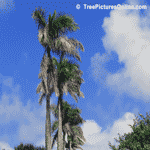 Palm Trees Gallery |
 Japanese Maple Trees |
 Pine Tree Gallery |
 Willow Trees Category |
|
||
|
Maple Tree Leaves: More images of Maples? Please follow to the Maple Tree Gallery. Full size the photo, just click on maple leaf image. |
||
 |
||
Palm Tree Landscape: More tropical images of Palms? Please follow to the Palm Tree Gallery. Full size the photo, just click on beach tree image.
TweetUnited States land is covered by over 30 per cent with trees and forests
Tree Picture Finds, Stumbled on these Tree Images
We add new tree pictures as they come in to us, on a weekly & monthly basis. We hope you enjoy all our tree photos and information on the different types of trees and species.
Tree Pictures
Tree Images Video; a unique collection of tree photos from the start of blue bells under the beech trees, different oak trees images ... along with various pine tree photos. An artistically assembled tree video together with sayings and poems celebrating the tree. Nicely done tree video images with wonderful piano tunes song called Eclipse by Suzanne Ciani..
Bottle Tree Pictures
Bottle Tree Images, a collection of trees artistically decorated with colorful glass bottles. Not to be confused with the real and unusual Bottle Tree
Sequoia Tree Pictures
Sequoia Tree Images, a great collection of the large Titan Sequoias tree. The worlds second biggest tree, the "President" is over 3,200 years old located in Sequoia National Park, California Nevada USA Region. More Sequoia Tree facts and pictures can be found at our TreePicturesOnline Sequoia Trees Photos page.
Tree Photos of Trees from Iceland
Tree Pictures and images from Iceland, interesting photos of various trees in summer, autumn and winter. More Winter Tree pictures can be found at impressive Winter Tree Pictures page.
Tree wallpaper images can make beautiful backgrounds on your computer`s desktop. See our tree wallpaper photographs link in the left tree categories.
Thank you for visiting our Tree Pictures at TreePicture Online.com, please come back soon for more great tree photos!
Pictures Sites
Fireplace Pictures -
Tree Pictures -
Gazebo Pictures -
Symbols & Their Meanings
Resume Samples -
Church Pictures -
Manufactured Home Pictures
Natural Log Siding -
Shadow Puppets -
Caribbean Islands
Play Touch Games -
Waterfall Pictures
Make Hot Pictures - Job Application Forms
