Hazelnut Tree Pictures
Hazelnut Tree Photo Gallery Welcome. In the hazelnut category you will find lots of nice pictures of hazelnut trees.
You will also find a lot of wonderful information on hazelnut trees, including information about the hazelnut tree species, planting information, and much more.
This is valuable and useful information that can help you to learn more about the hazelnut tree.
Hazelnut Images
To view each hazelnut tree picture in full size just click on the pictures. Enjoy these pictures of the Hazelnut Tree.
Hazelnut Tree Pictures Gallery
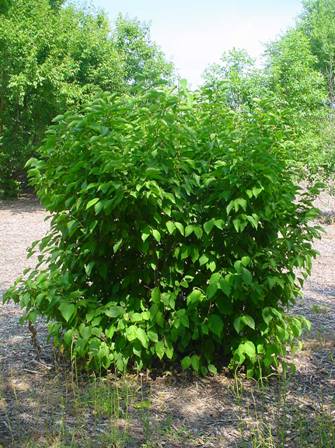 |
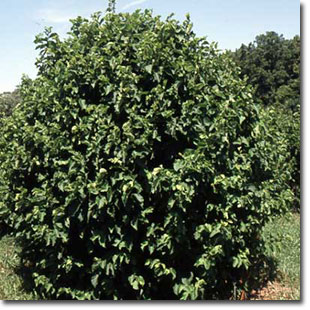 |
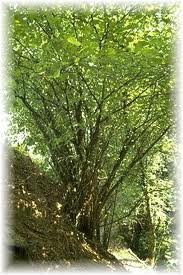 |
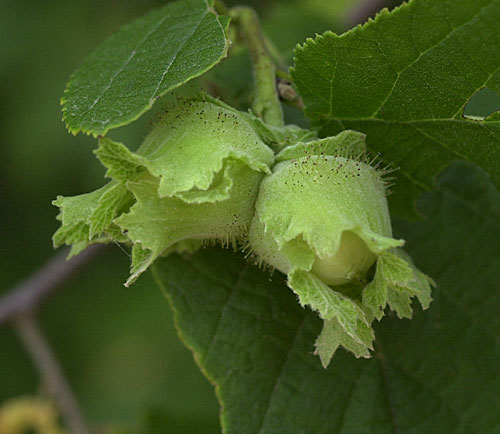
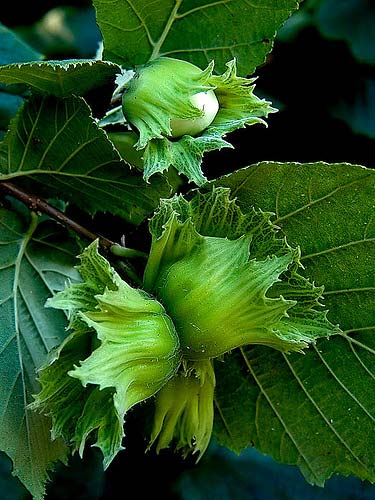
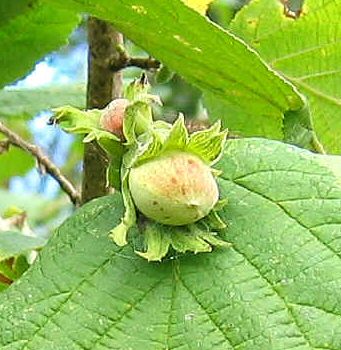
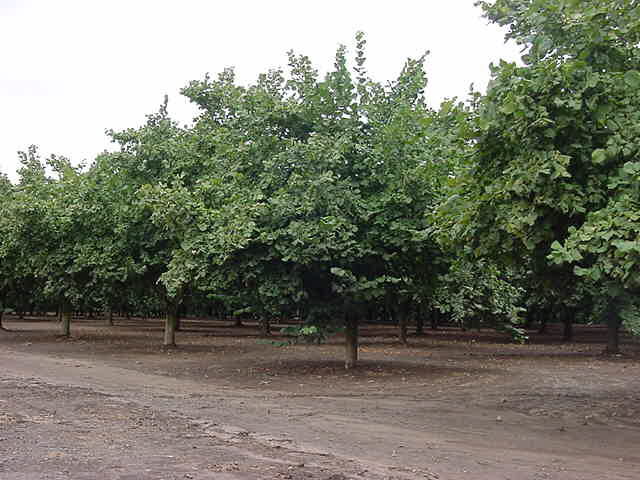
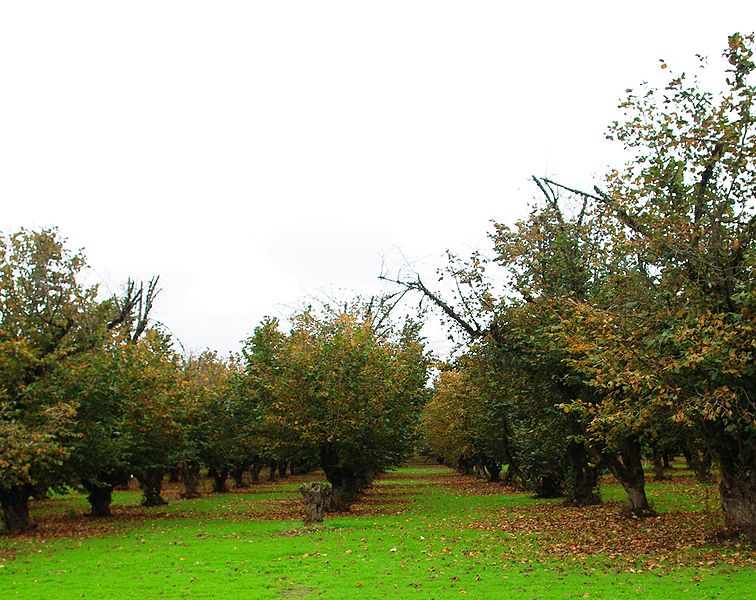
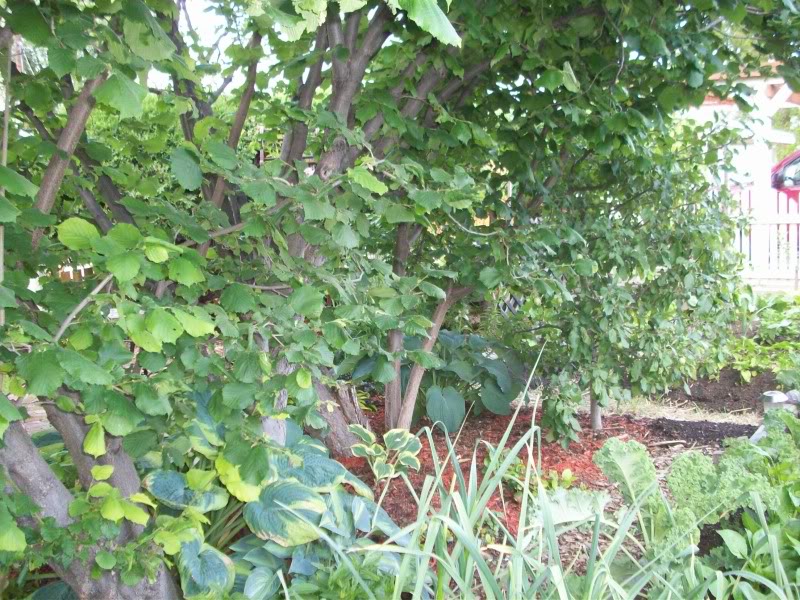
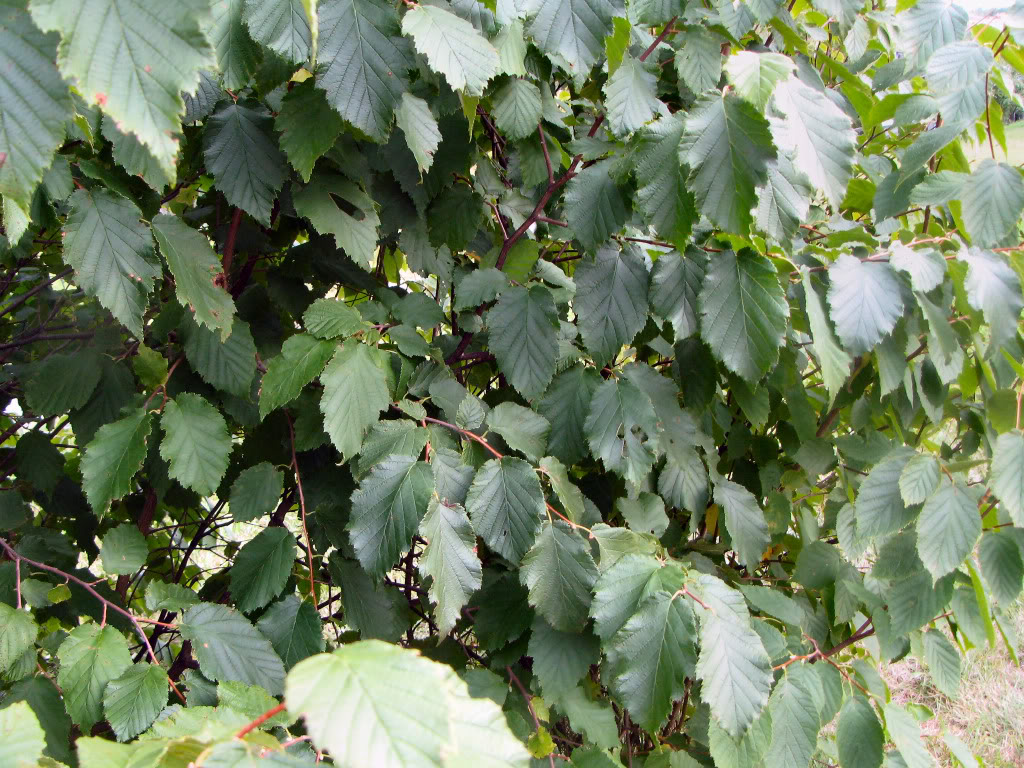
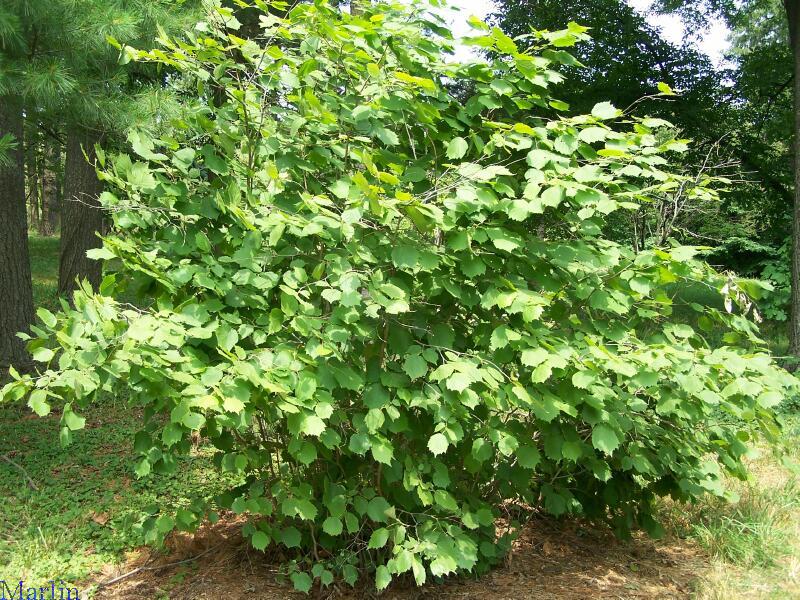
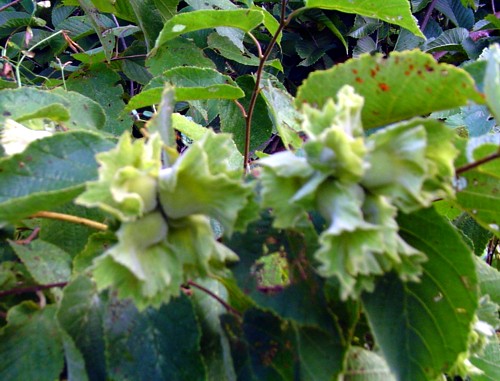
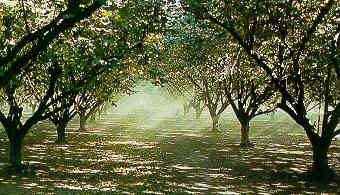
Scientific name for Hazel Tree: Corylus
Hazel Tree Types: List of Different Types of Hazel Tree
- American Hazel Tree, Corylus americana
- California Hazel Tree, Corylus cornuta ssp. californica
- Chinese Hazel Tree, Corylus chinensis
- Common Hazel Tree, Corylus avellana
- Himalayan Hazel Tree, Corylus ferox
- European Filbert, Corylus maxima
- Jacquemont's Hazel Tree, Corylus jacquemontii
Hazelnut Trees: Facts on the Hazelnut Tree Species
Here is some detailed information on the hazelnut tree species.
Corylus avellana, the Common Hazel, is a species of hazel native to Europe and western Asia, from the British Isles south to Iberia, Greece, Turkey and Cyprus, north to central Scandinavia, and east to the central Ural Mountains, the Caucasus, and northwestern Iran. It is an important component of the hedgerows that were the traditional field boundaries in lowland England. The wood was traditionally grown as coppice, the poles cut being used for wattle-and-daub building and agricultural fencing.
Common Hazel Tree is cultivated for its nuts. The name hazelnut applies to the nuts of any of the species of the genus Corylus. This hazelnut or cob nut, the kernel of the seed, is edible and used raw or roasted, or ground into a paste. The cob is round, compared with the longer filbert nut.
Common hazel is typically a shrub reaching 3 to 8 m tall, but can reach 15 m. The leaves are deciduous, rounded, 6 to 12 cm long and across, softly hairy on both surfaces, and with a double-serrate margin. The flowers are produced very early in spring, before the leaves, and are monoecious with single-sex wind-pollinated catkins. Male catkins are pale yellow and 5 to 12 cm long, while female catkins are very small and largely concealed in the buds with only the bright red 1 to 3 mm long styles visible. The fruit is a nut, produced in clusters of one to five together, each nut held in a short leafy involucre ("husk") which encloses about three quarters of the nut.
The nut is roughly spherical to oval, 15 to 20 mm long and 12 to 20 mm broad (larger, up to 25 mm long, in some cultivated selections), yellow-brown with a pale scar at the base. The nut falls out of the involucre when ripe, about 7 to 8 months after pollination.
It is readily distinguished from the closely related Filbert (Corylus maxima) by the short involucre; in the Filbert the nut is fully enclosed by a beak-like involucre longer than the nut.
The leaves provide food for many animals, including Lepidoptera such as the case-bearer moth Coleophora anatipennella. Caterpillars of the concealer moth Alabonia geoffrella have been found feeding inside dead Common Hazel twigs. The fruit are possibly even more important animal food, both for invertebrates adapted to circumvent the shell (usually by ovipositing in the female flowers, which also gives protection to the offspring) and for vertebrates which manage to crack them open (such as squirrels and corvids).
The hazelnut is the nut of the hazel, and is also known as the cobnut. It is roughly spherical to oval, about 15 to 25 mm long and 10 to 15 mm in diameter, with an outer fibrous husk surrounding a smooth shell. The nut falls out of the husk when ripe, about 7–8 months after pollination. The kernel of the seed is edible and used raw or roasted, or ground into a paste. The seed has a thin, dark brown skin which has a bitter flavour and is sometimes removed before cooking.
Hazelnut Nutrition
Hazelnuts are rich in protein and unsaturated fat. Moreover, they contain significant amounts of thiamine and vitamin B6, as well as smaller amounts of other B vitamins. Additionally, 1 cup (237 ml) of hazelnut flour has 20 g of carbohydrates, 12 g of which are fibre.
Hazelnut Production
Biggest producer of hazelnuts in the world is Turkey. The Turkish Hazelnut Tree's fruit/nuts have relatively very small kernels. In USA, the biggest hazelnut producer is the State of Oregon and then followed by Washington State.
Hazelnut Tree Trivia
The hazelnut is also known as filbert or cob nut.
One of the most popular spreads made from hazelnuts is Nutella.
The world's biggest hazelnut producer, Turkey, which controls 70 per cent of the global market suffered from hail storms and frosts last year which killed off their crops and resulted in the cost of hazelnuts increasing by more than 60 per cent.
Impressive Tree Pictures
Collection of Impressive Tree Images
Trees: Recent Tree Photos, Pics & Images |
||
 Palm Tree Pictures |
 Beech Trees |
 Palm Trees |
 Oak Tree Gallery |
 Christmas Trees |
 Maple Trees |
 Apple Tree Photo Gallery |
 Apple Tree Images |
 Palm Trees Gallery |
 Japanese Maple Trees |
 Pine Tree Gallery |
 Willow Trees Category |
Tree wallpaper images can make beautiful backgrounds on your computer`s desktop. See our tree wallpaper photographs link in the left tree categories.
Thank you for visiting our Tree Pictures at TreePicture Online.com, please come back soon for more great tree photos!

Pictures Sites
Fireplace Pictures -
Tree Pictures -
Gazebo Pictures -
Symbols & Their Meanings
Resume Samples -
Manufactured Home Pictures
Natural Log Siding -
Shadow Puppets -
Caribbean Islands
Play Touch Games -
Waterfall Pictures
Make Hot Pictures - Job Application Forms