


Cinnamon Tree Pictures
Cinnamon Trees
Cinnamon Tree Photos category you will find lots of nice pictures of cinnamon trees.
Cinnamon Facts
Cinnamon is derived from a tree, we know it as a household spice for foods and baked goods.
Below you will find wonderful Cinnamon Tree Facts, including information about the cinnamon tree species, planting information, and much more.
A cinnamon tree has to be about two years old before the shoots of the cinnamon tree are harvested.
Cinnamon oils are used in cinnamon supplements and scented bath products.
Cinnamon Images
Full size each cinnamon tree picture you like, just just click on the tree image to enlarge the cinnamon tree. Enjoy these pictures of cinnamon trees.
Cinnamon Tree: Photo & Image Gallery
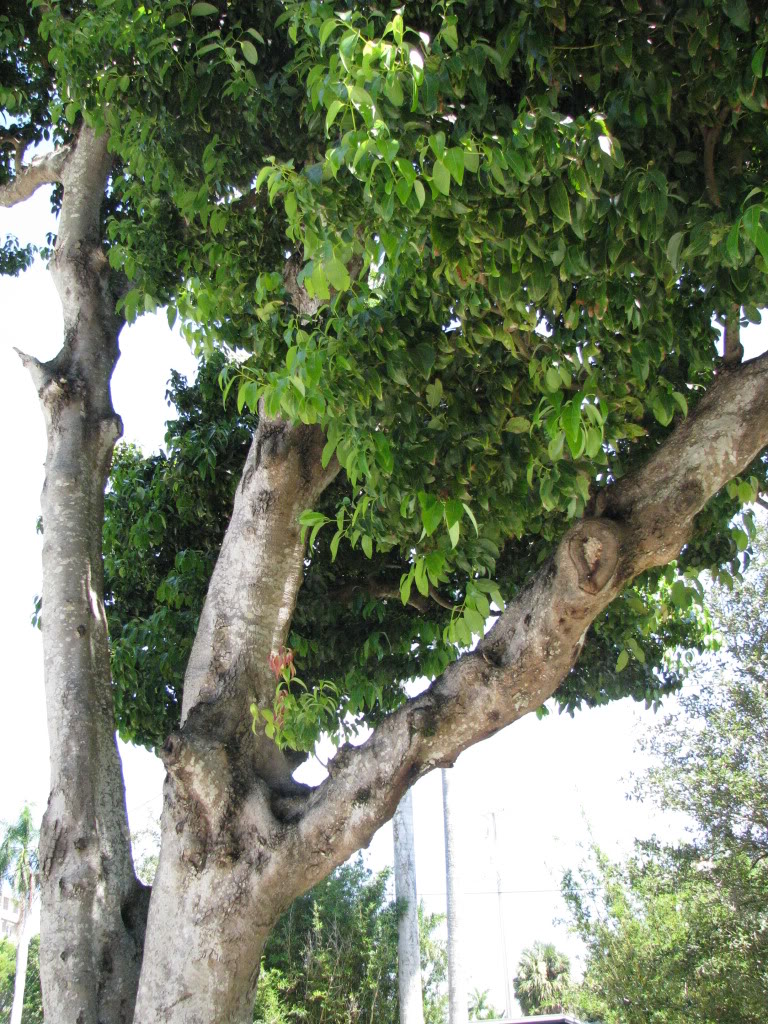
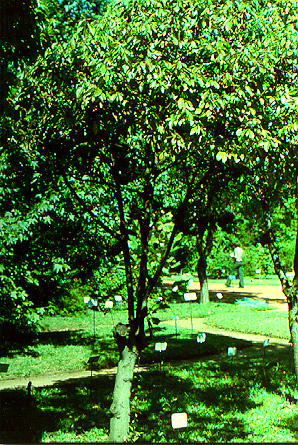
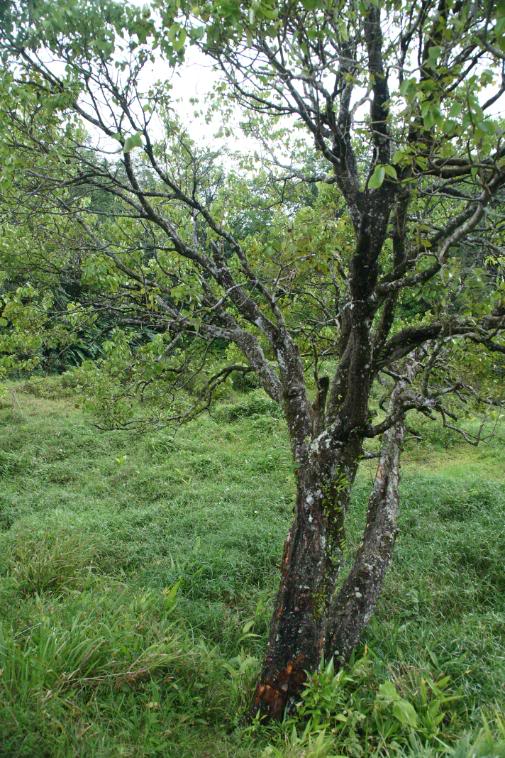
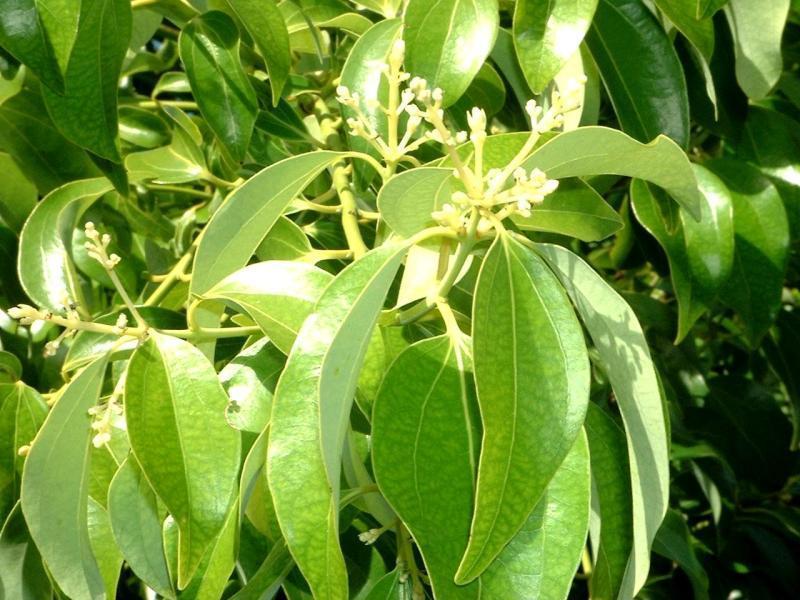
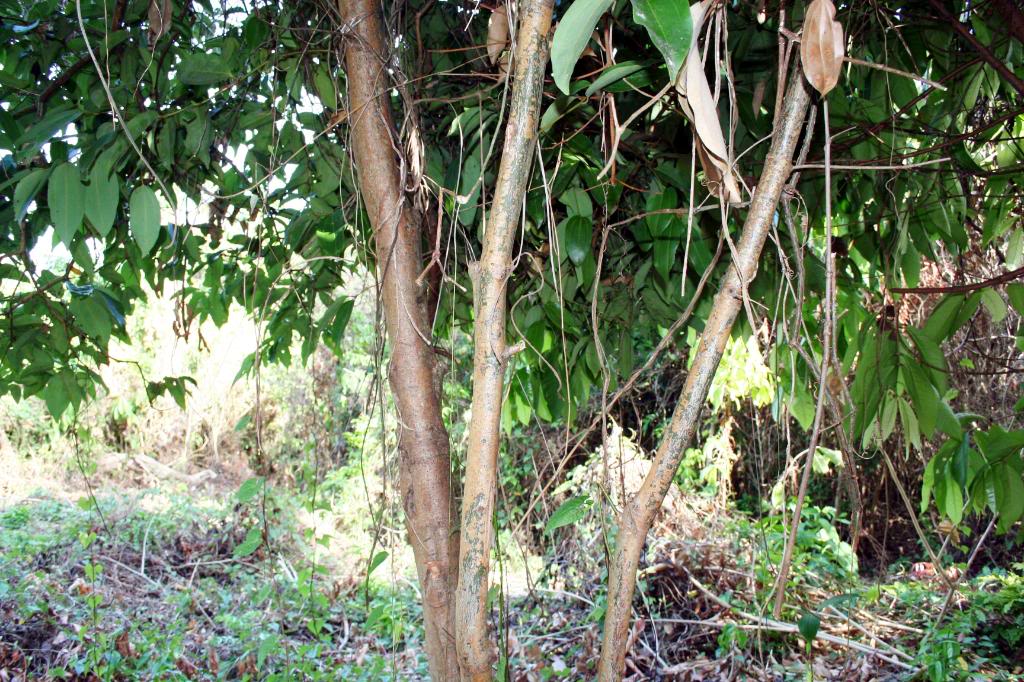
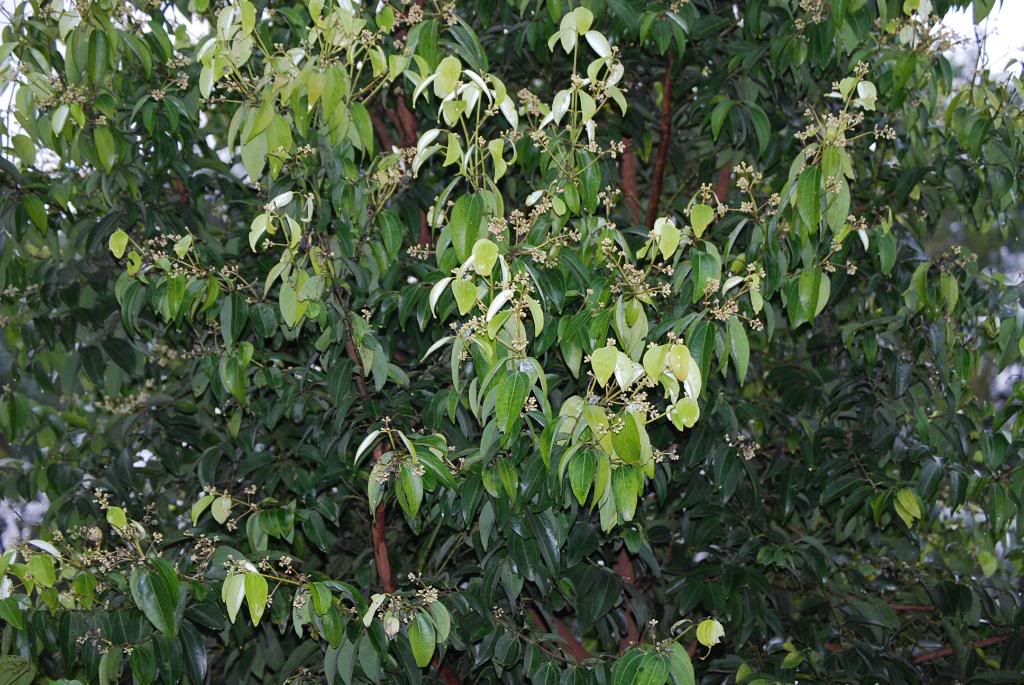
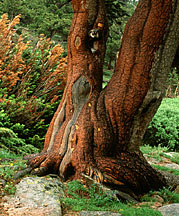


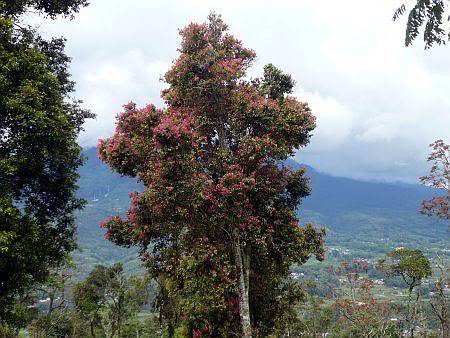
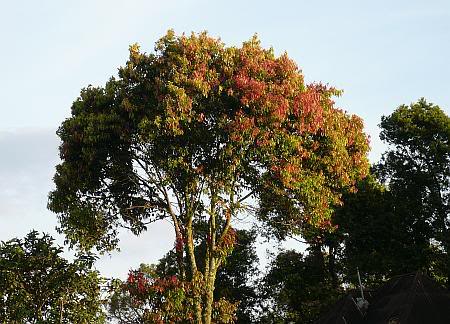
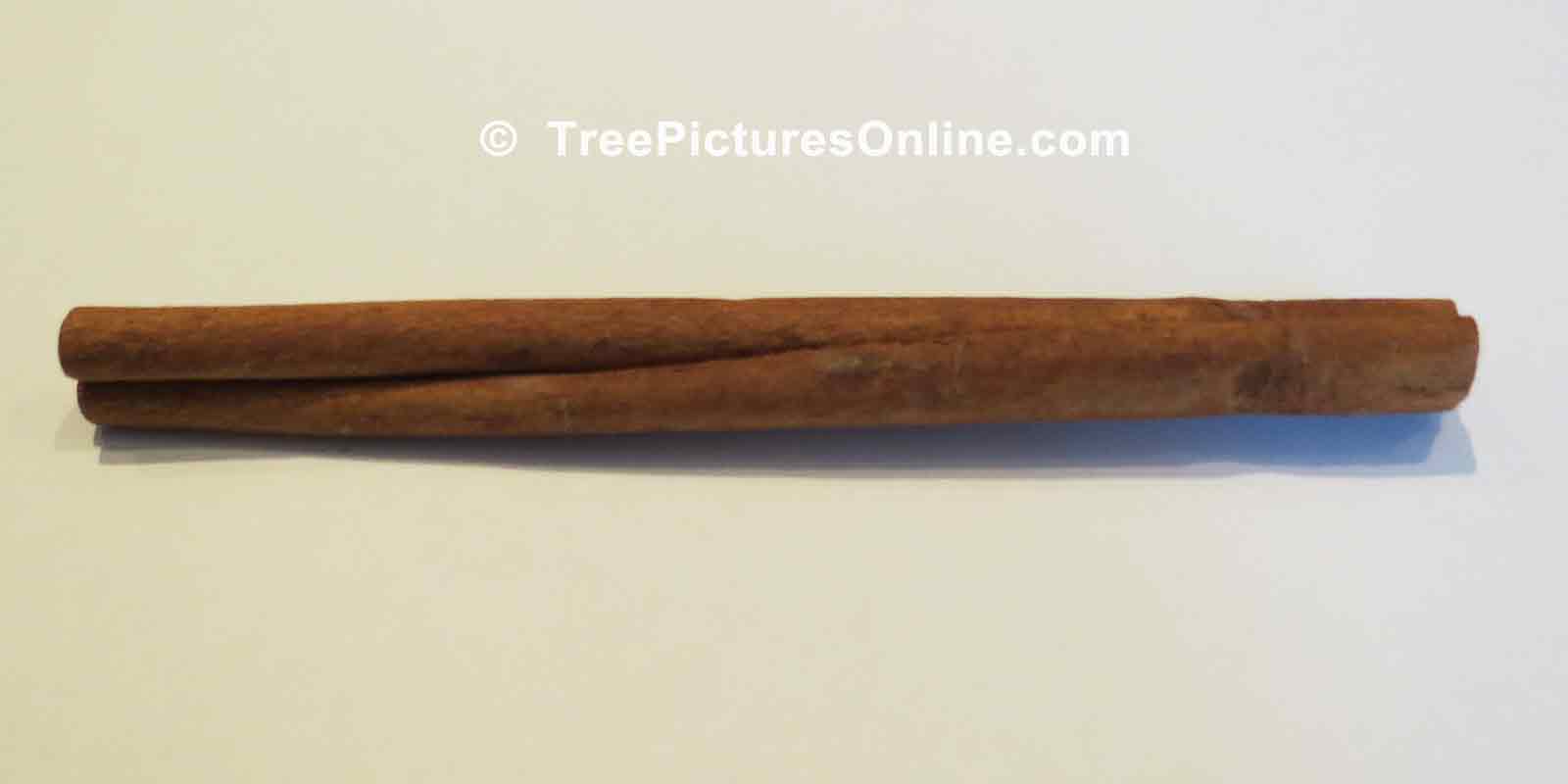
Cinnamon Scientific Name: Cinnamomum Zeylanicum
Cinnamon: Facts about the Cinnamon Tree Species
Information on cinnamon trees.
Cinnamon is a spice obtained from the inner bark of several trees from the genus Cinnamomum that is used in both sweet and savoury foods. Cinnamon trees are native to South East Asia, and its origin was mysterious in Europe until the sixteenth century
Cinnamon has been known from remote antiquity. It was imported to Egypt as early as 2000 BCE, but those who report that it had come from China confuse it with cassia. The Hebrew Bible makes specific mention of the spice many times: first when Moses is commanded to use both sweet cinnamon and cassia in the holy anointing oil; in Proverbs where the lover's bed is perfumed with myrrh, aloes, and cinnamon; and in Song of Solomon, a song describing the beauty of his beloved, cinnamon scents her garments like the smell of Lebanon. Cinnamon is harvested by growing the tree for two years then coppicing it. The next year, about a dozen shoots will form from the roots.
The branches harvested this way are processed by scraping off the outer bark, then beating the branch evenly with a hammer to loosen the inner bark. The inner bark is then prised out in long rolls. Only the thin (0.5 mm (0.020 in)) inner bark is used; the outer, woody portion is discarded, leaving metre-long cinnamon strips that curl into rolls ("quills") on drying. Once dry, the bark is cut into 5 to 10 cm (2.0 to 3.9 in) lengths for sale.
The bark must be processed immediately after harvesting while still wet. Once processed, the bark will dry completely in four to six hours, provided that it is in a well-ventilated and relatively warm environment. A less than ideal drying environment encourages the proliferation of pests in the bark, which may then require treatment by fumigation. Bark treated this way is not considered to be of the same premium quality as untreated bark.
Its flavor is due to an aromatic essential oil that makes up 0.5% to 1% of its composition. This oil is prepared by roughly pounding the bark, macerating it in seawater, and then quickly distilling the whole. It is of a golden-yellow color, with the characteristic odor of cinnamon and a very hot aromatic taste.
Cinnamon bark is widely used as a spice. It is principally employed in cookery as a condiment and flavoring material. It is used in the preparation of chocolate, especially in Mexico, which is the main importer of true cinnamon. It is also used in many desserts recipes, such as apple pie, donuts, and cinnamon buns as well as spicy candies, tea, hot cocoa, and liqueurs. True cinnamon, rather than cassia, is more suitable for use in sweet dishes. In the Middle East, it is often used in savory dishes of chicken and lamb. In the United States, cinnamon and sugar are often used to flavor cereals, bread-based dishes, and fruits, especially apples; a cinnamon-sugar mixture is even sold separately for such purposes.
In medicine it acts like other volatile oils and once had a reputation as a cure for colds. It has also been used to treat diarrhea and other problems of the digestive system. Cinnamon is high in antioxidant activity. The essential oil of cinnamon also has antimicrobial properties, which can aid in the preservation of certain foods.
Feature Cinnamon Species: Cinnamon zeylanicum
True Cinnamon
Cinnamomun zeylanicum
The cinnamon tree is indigenous to Ceylon and India. Leaves are arranged in pairs
on a central stem. The bark is reddish brown and smooth. The tree produces small, fragrant panicles of white flowers in October. Prefers deep, rich well drained soil.
Type of Tree:
The Cinnamon zeylanicum falls into the following type(s): Evergreen Trees, Ornamental Trees
Mature Height:
Moderate sized.
Mature Spread:
.
Growth Rate:
This tree grows at a slow growth rate. The trees are small only growing to 20 - 30'
Sun:
Sun to partial shade
Soil:
Neutral to slightly acidic soil.
Moisture:
Requires average amount of water.
Shape:
Leaves:
Young leaves are reddish in appearance maturing to deep green color. They are tear shaped, oval with a pointed tip. Leaves have an aromatic spicy smell.
Flower Color:
Heavenly smelling white flowers
Bloom Time:
Oct-Feb
Fruit Description:
The fruit of the Cinnamon zeylanicum is a purple berry containing one seed which ripens between May and June.
Additional Information: Cinnamon zeylanicum
Attributes:
Beautiful ornamental tree with golden red bark which is dried and used as the spice cinnamon.
Description:
Tropical evergreen tree with aromatic leaves and bark
Wildlife Value:
History/Lore/Use:
In ancient Egypt, cinnamon was used in embalming oils. Cinnamon was used as a medicinal plant by the Greeks and Romans. The calyx as well as the bark is used to flavor cakes, sweets, curry powder, incense and perfumes.
Cinnamon Tree Trivia
Cinnamon bark is a common ingredient in many products such as toothpaste, cough syrup, nasal sprays, mouthwash, perfume, soap, lipstick, chewing gum, and cola drinks.
Cinnamon is a spice that is used to flavor both sweet and savoury foods.
When the inner bark of the cinnamon tree is dried, it naturally curls up into "quills".
The fruit of the cinnamon tree is called a drupe, it is about half an inch in length and purple in color with one seed in the middle.
Thank you for visiting Cinnamon Tree Pictures at Tree Pictures Online.com, please come back soon for more great tree pictures!
Impressive Tree Pictures
Collection of Impressive Tree Images
Tree Pictures, Recently Added Tree Photos, Pics & Images |
||
 Apple Tree Photo Gallery |
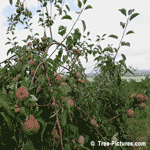 Apple Tree Images |
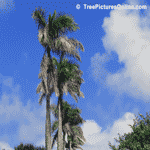 Palm Trees Gallery |
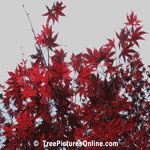 Japanese Maple Trees |
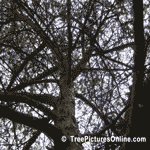 Pine Tree Gallery |
 Willow Trees Category |
 |
||
|
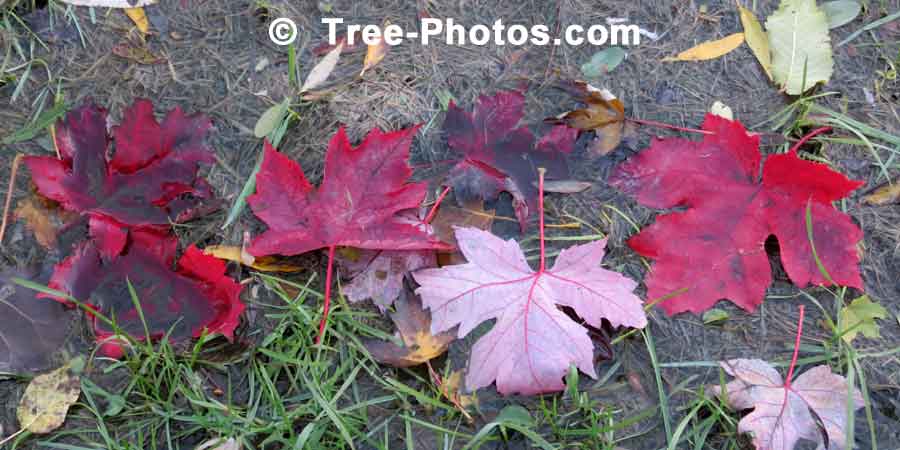
Maple Tree Leaves: More images of Maples? Please follow to the Maple Tree Gallery. Full size the photo, just click on beach image. |
||
 |
||
Palm Tree Landscape: More tropical images of Palms? Please follow to the Palm Tree Gallery. Full size the photo, just click on beach tree image.
Tree Facts and Trivia
United States land is covered by over 30 per cent with trees and forests
Tree Picture Finds, Stumbled on these Tree Images
We add new tree pictures as they come in to us, on a weekly & monthly basis. We hope you enjoy all our tree photos and information on the different types of trees and species.
Tree Pictures Video
Tree Images Video; a unique collection of tree photos from the start of blue bells under the beech trees, different oak trees images ... along with various pine tree photos. An artistically assembled tree video together with sayings and poems celebrating the tree. Nicely done tree video images with wonderful piano tunes song called Eclipse by Suzanne Ciani..
Bottle Tree Pictures
Bottle Tree Images, a collection of trees artistically decorated with colorful glass bottles. Not to be confused with the real and unusual Bottle Tree
Sequoia Tree Pictures
Sequoia Tree Images, a great collection of the large Titan Sequoias tree. The worlds second biggest tree, the "President" is over 3,200 years old located in Sequoia National Park, California Nevada USA Region. More Sequoia Tree facts and pictures can be found at our TreePicturesOnline Sequoia Trees Photos page.
Tree wallpaper images can make beautiful backgrounds on your computer`s desktop. See our tree wallpaper photographs link in the left tree categories.
Thank you for visiting our Tree Pictures at TreePicture Online.com, please come back soon for more great tree photos!

Pictures Sites
Fireplace Pictures - Tree Pictures - Gazebo Pictures
Church Pictures
Fall Pictures
Manufactured Home Pictures
Log Siding
Shadow Puppets
Caribbean Islands
Play Touch Games
Pictures of Winter Shadow Puppet Pictures
Waterfall Pictures
Resume Samples
Make Hot Pictures Job Application Forms
