


Foxglove Tree Pictures
Foxglove Tree Pictures Welcome
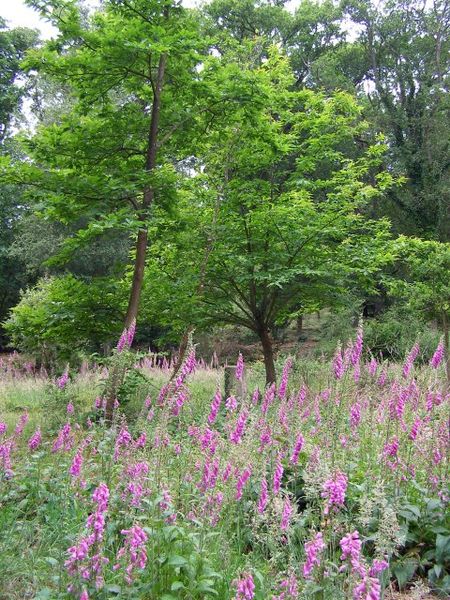
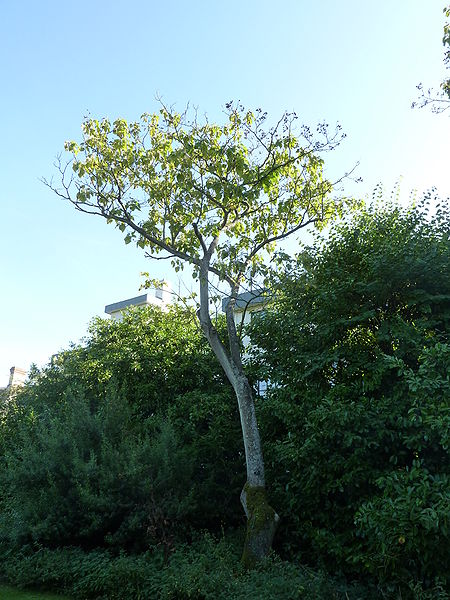
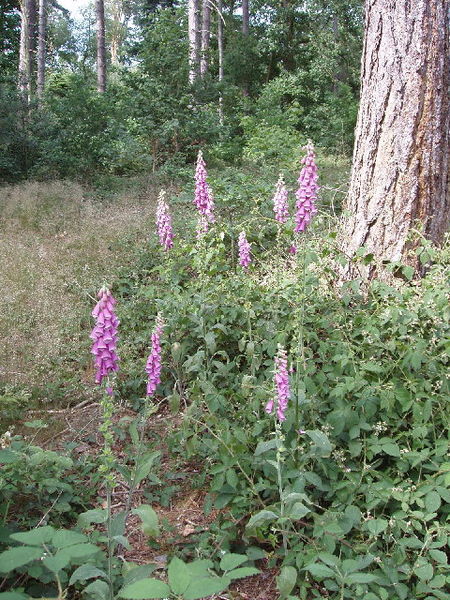
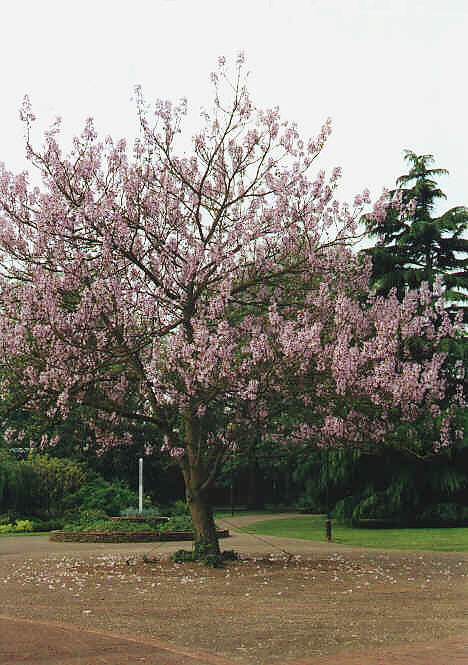
On the Foxglove Tree Pictures page you will find lots of nice pictures of foxglove trees.
Foxglove Tree Facts
You will also find a lot of wonderful information on foxglove trees, including information about the foxglove tree species, planting information, and much more.
This is valuable and useful information that can help you to learn more about the foxglove tree.
Foxglove Tree Images
To view each foxglove tree picture in full size just click on the tree picture.
Enjoy these Foxglove Tree pictures.
Foxglove Tree Photo Gallery
 |
 |
 |
 |
 |
 |
 |
 |
 |
 |
 |
 |
 |
 |
Foxglove Tree, Facts and Information on the Foxglove
Here is some detailed information on foxglove trees.
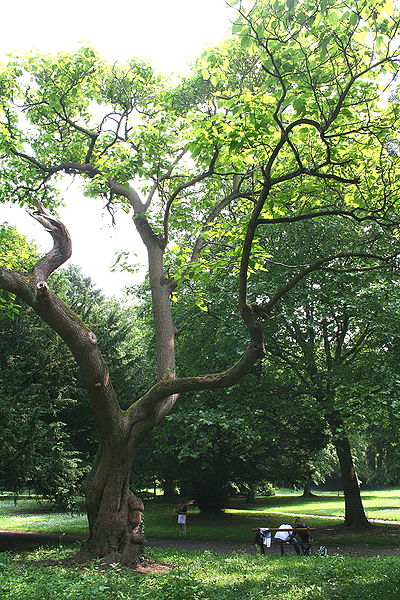
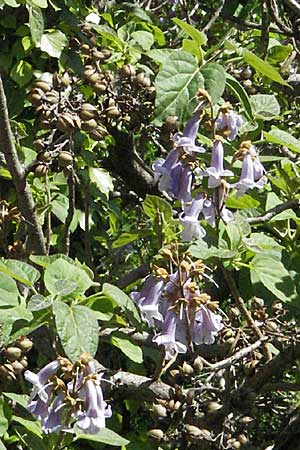
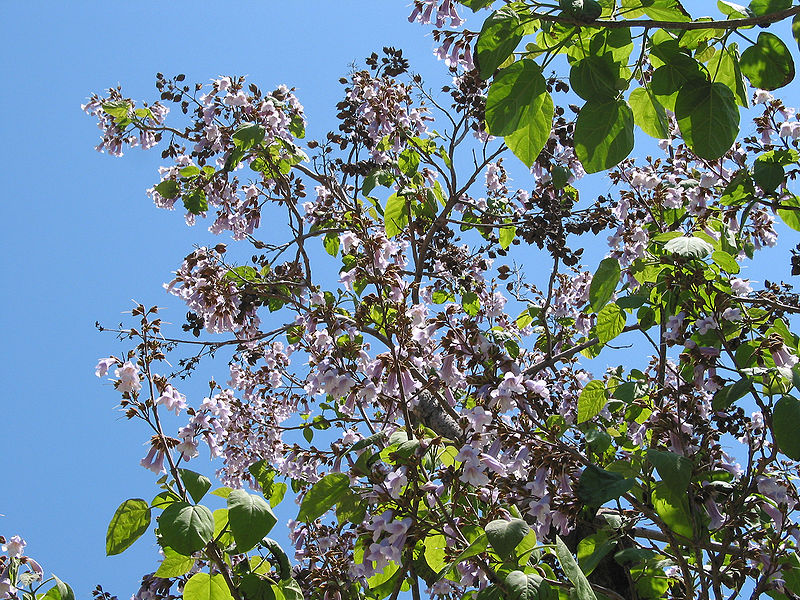
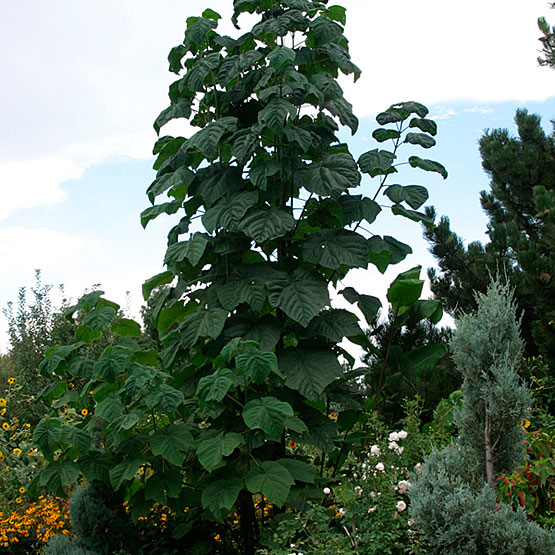
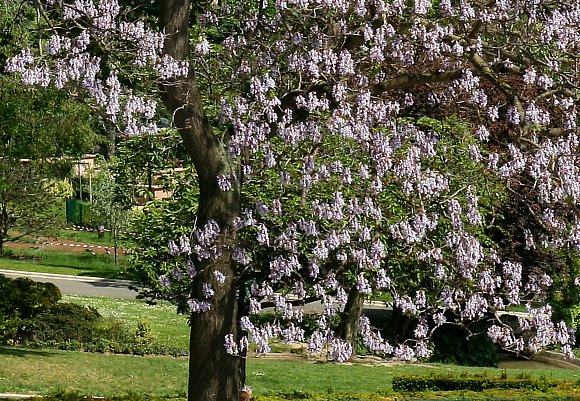
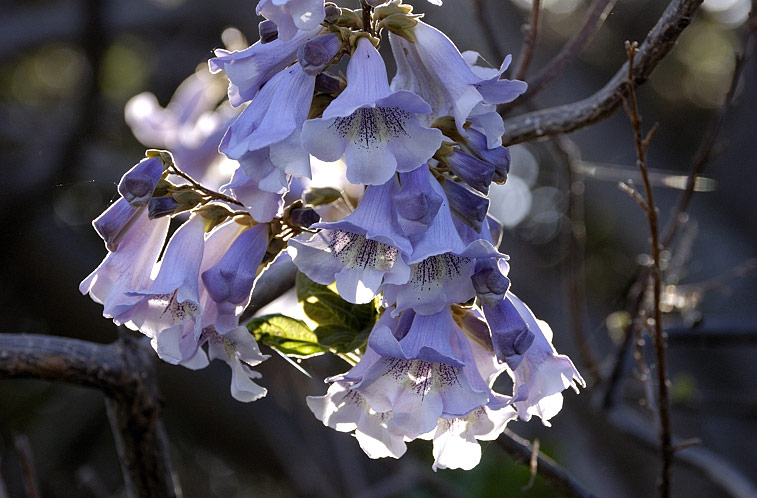
Paulownia tomentosa (also known as the Empress Tree, Princess Tree or Foxglove Tree;) is a deciduous tree in the genus Paulownia, native to central and western China, but invasive in the US. It grows to 10 to 25 m tall, with large heart-shaped to five-lobed leaves 15 to 40 cm across, arranged in opposite pairs on the stem. On young growth, the leaves may be in whorls of three and be much bigger than the leaves on more mature growth. The characteristic large size of the young growth is exploited by gardeners: by pollarding the tree and ensuring there is vigorous new growth every year, massive leaves are produced (up to 60cm across). These are popular in the modern style of gardening which uses large-foliaged and "architectural" plants.
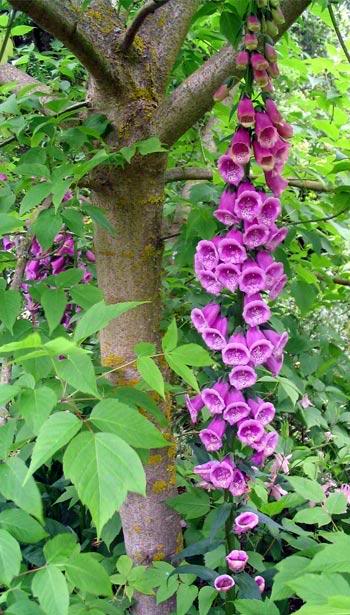
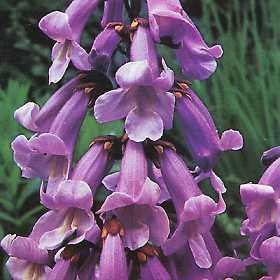
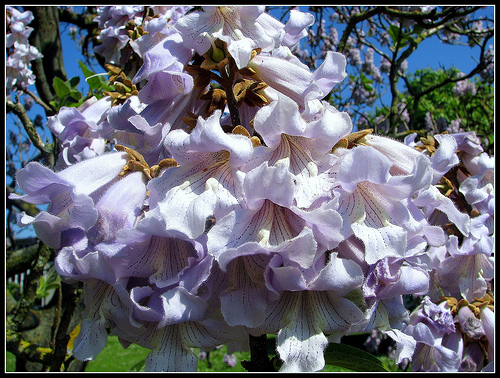
The flowers are produced before the leaves in early spring, on panicles 10 to 30 cm long, with a tubular purple corolla 4 to 6 cm long resembling a foxglove flower. The fruit is a dry egg-shaped capsule 3 to 4 cm long, containing numerous tiny seeds. The seeds are winged and disperse by wind and water. Pollarded trees do not produce flowers, as these only form on mature wood.
Paulownia tomentosa can survive wildfire because the roots can regenerate new, very fast-growing stems. It is tolerant of pollution and it is not fussy about soil type. For this reason it functions ecologically as a pioneer plant. Its nitrogen-rich leaves provide good fodder and its roots prevent soil erosion. Eventually, Paulownia is succeeded by taller trees that shade it. It cannot thrive in the shade of other trees.
In China, an old custom is to plant an Empress Tree when a baby girl is born. The fast growing tree matures when she does. When she is eligible for marriage the tree is cut down and carved into wooden articles for her dowry. Carving the wood of Paulownia is an art form in Japan and China.
The soft, lightweight seeds were commonly used as a packing material by Chinese porcelain exporters in the 19th century, before the development of polystyrene packaging. Packing cases would often leak or burst open in transit and scatter the seeds along rail tracks. This, together with seeds released by specimens deliberately planted for ornament, has allowed the species to become an invasive weed tree in areas where the climate is suitable for its growth, notably Japan and the eastern United States.
Thank you for visiting our Foxglove Tree Pictures at Tree Pictures Online.com, please come back soon for more great tree pictures!

Impressive Tree Pictures
Collection of Impressive Tree Images
Trees: Recent Tree Photos, Pics & Images |
||
 Palm Tree Pictures |
 Beech Trees |
 Palm Trees |
 Oak Tree Gallery |
 Christmas Trees |
 Maple Trees |
 Apple Tree Photo Gallery |
 Apple Tree Images |
 Palm Trees Gallery |
 Japanese Maple Trees |
 Pine Tree Gallery |
 Willow Trees Category |
Tree Facts, Trivia
United States land is covered by over 30 per cent with trees and forests
Tree wallpaper images can make beautiful backgrounds on your computer`s desktop. See our tree wallpaper photographs link in the left tree categories.
Thank you for visiting our Tree Pictures at TreePicture Online.com, please come back soon for more great tree photos!
Pictures Sites
Fireplace Pictures -
Tree Pictures -
Gazebo Pictures -
Symbols & Their Meanings
Resume Samples -
Church Pictures -
Manufactured Home Pictures
Natural Log Siding -
Shadow Puppets -
Caribbean Islands
Play Touch Games -
Waterfall Pictures
Make Hot Pictures - Job Application Forms
