


Fig Tree Pictures
Fig Tree Pictures Welcome.
In the Fig Tree Photo Gallery you will find lots of nice pictures of fig trees.
Fig Trees
To view each fig tree picture you like in full size, just click on the Fig Tree pictures.
You will also find a lot of wonderful information on fig trees, including information about the fig tree species, planting information, and much more.
This is valuable and useful information that can help you to learn more about the fig tree.
The Tree Galleries listed on the left give you facts about that specific tree type and lots of great pictures of that tree species.
Enjoy these pictures of Fig Trees.
Fig Tree Pictures
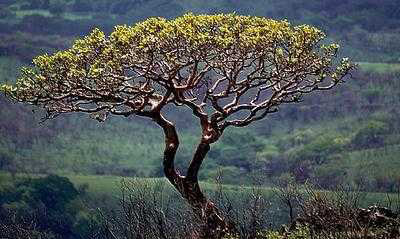
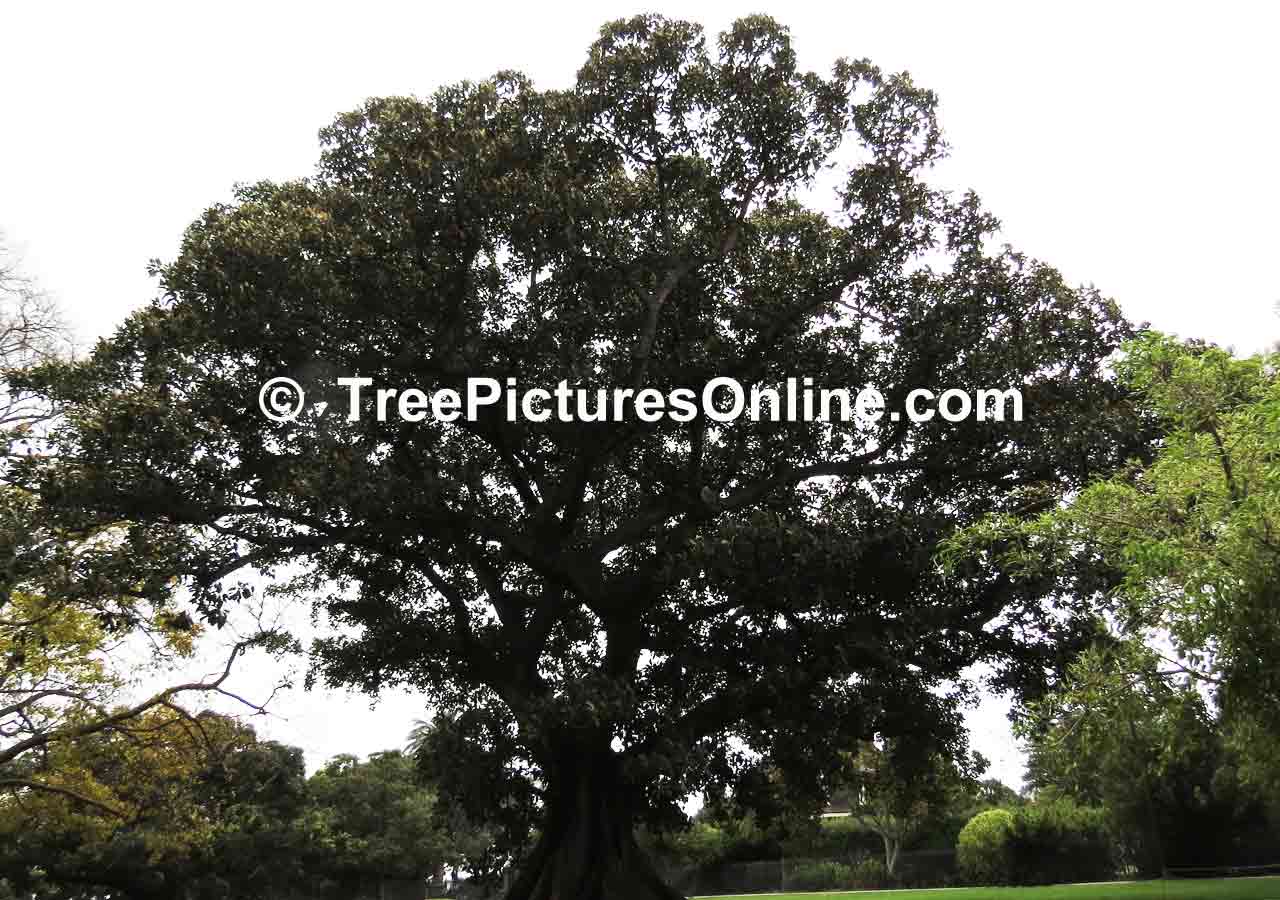
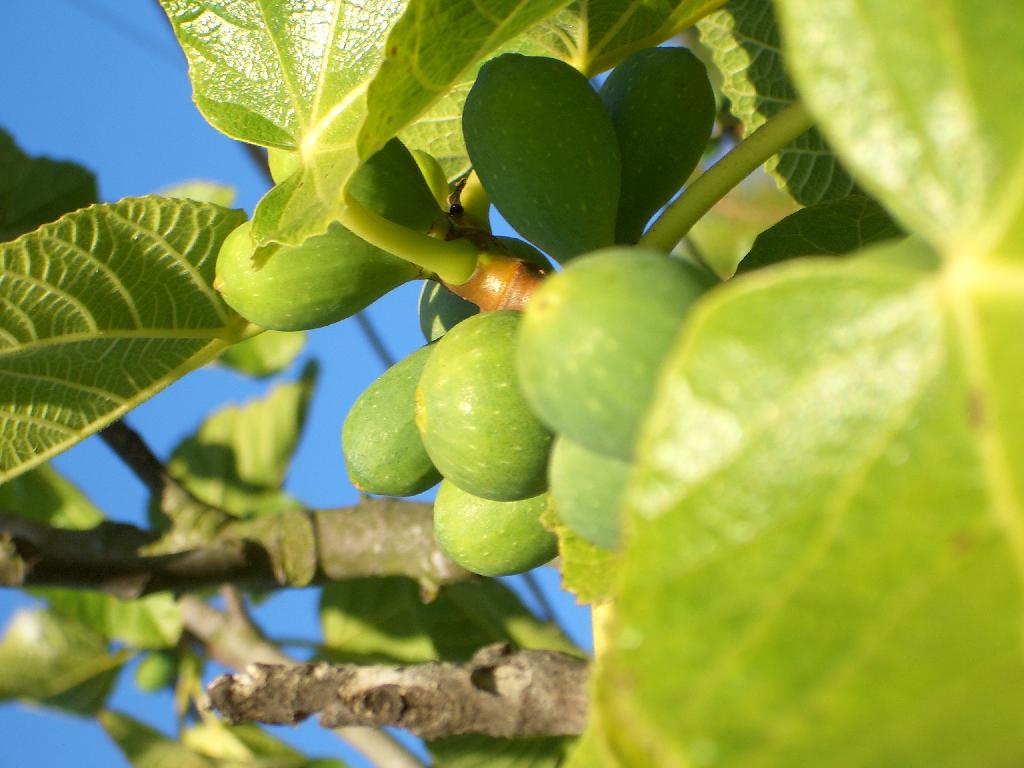
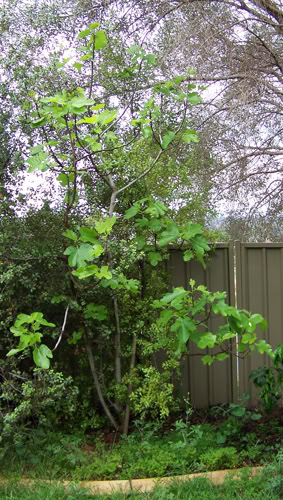
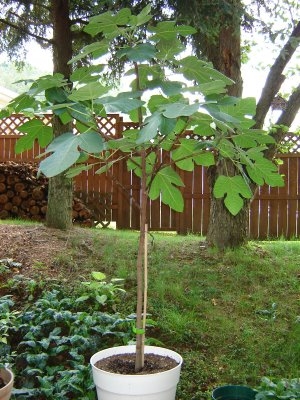
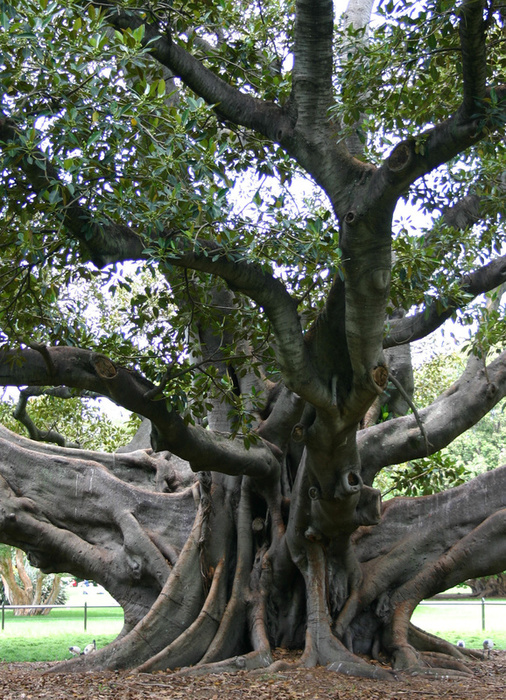
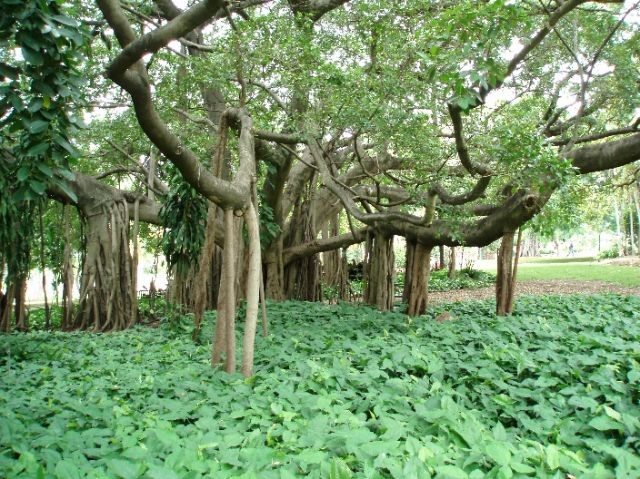
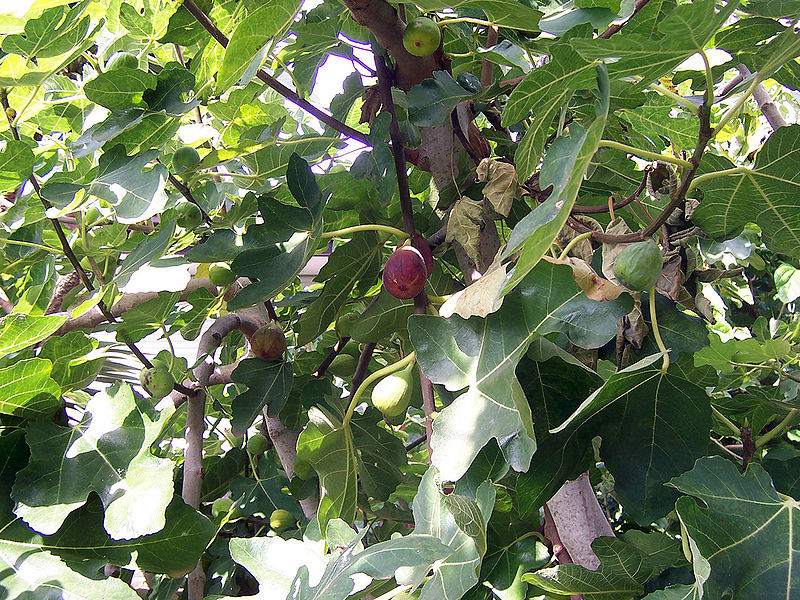
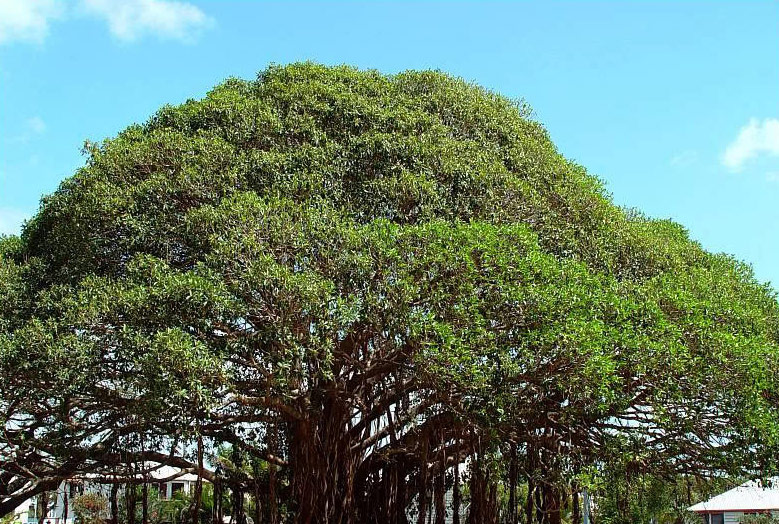
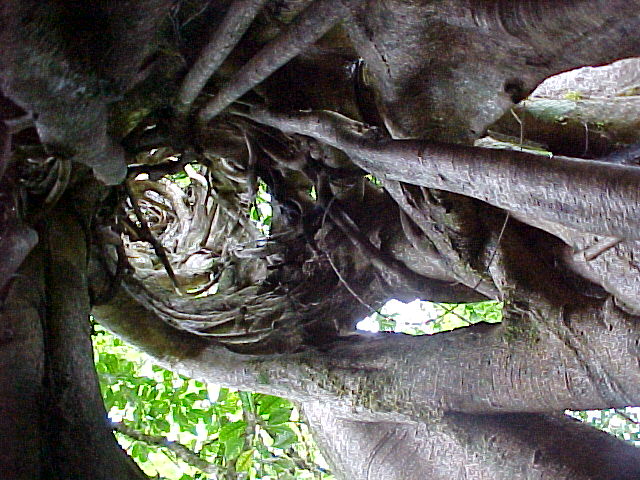
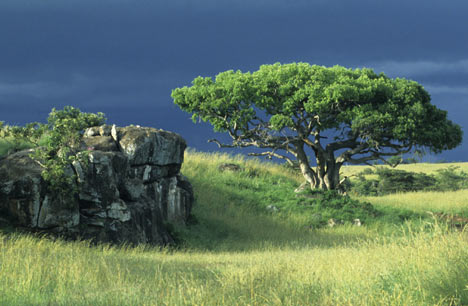
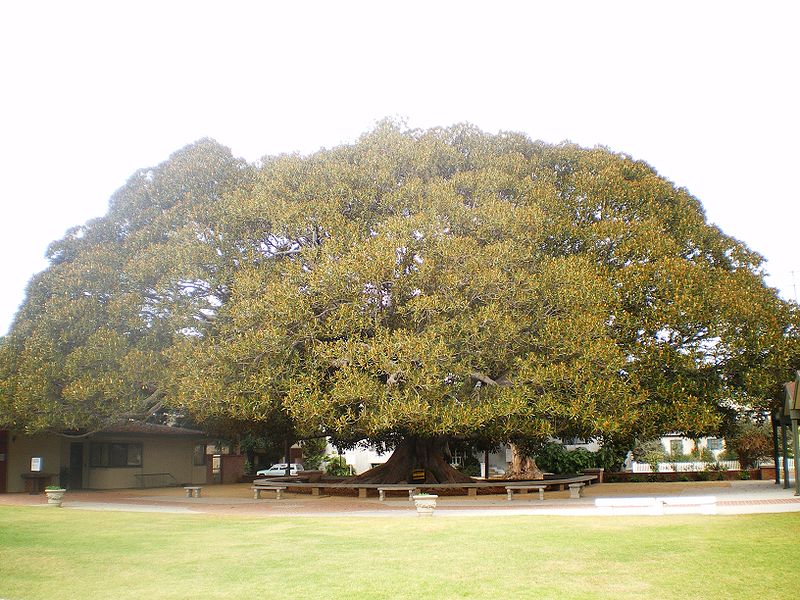
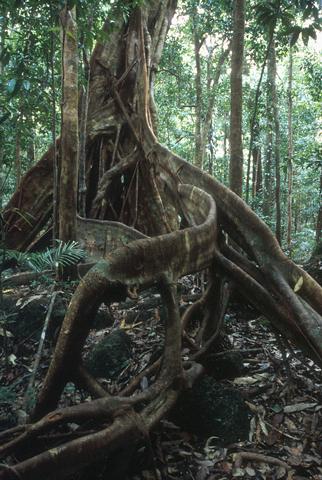
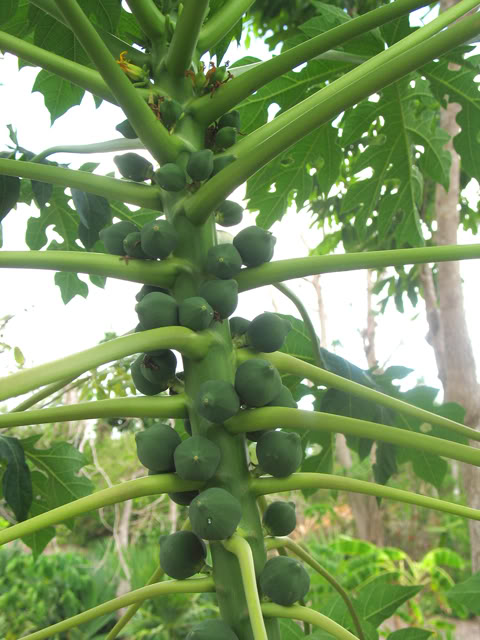
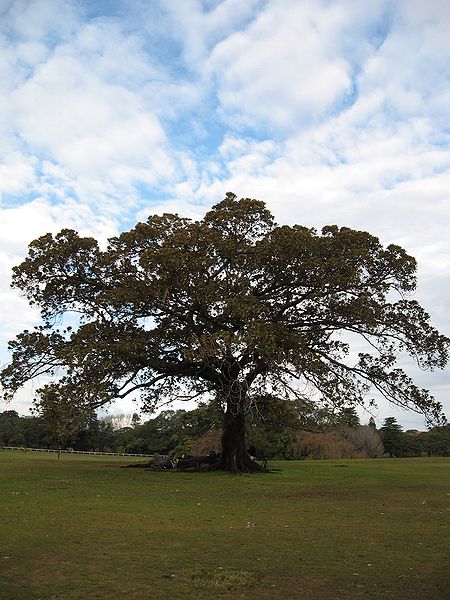
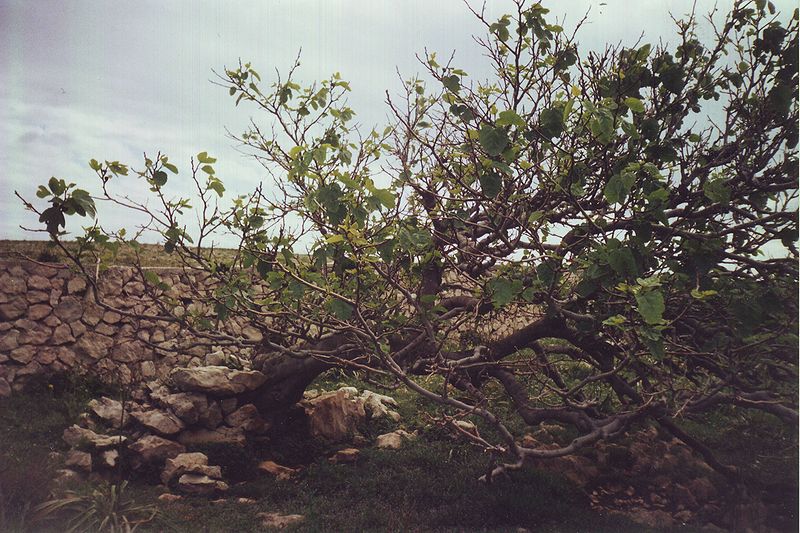
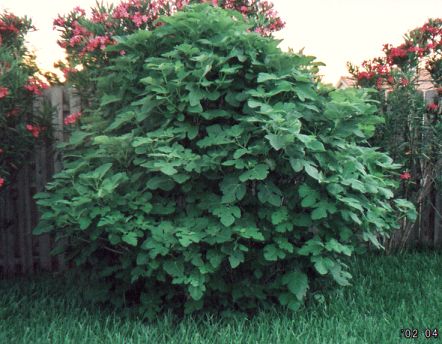
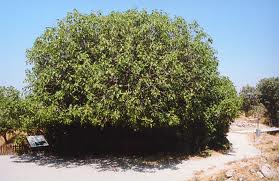
Scientific name for Common Fig Tree: Ficus carica
Fig Tree Types: Different Types of Fig Trees
- Banyan Fig Tree
- Chinese Banyan Fig Tree
- Cluster Fig Tree
- Common Fig Tree
- Creeping Fig Tree
- Fiddleleaf Fig Tree
- Moreton Bay Fig Tree
- Rubber Tree
- Weeping Fig Tree
Fig Trees, Facts & Detailed Information on the Fig Tree Species
Here is some general information on the fig tree.
Ficus is a genus of about 850 species of woody trees, shrubs, vines, epiphytes, and hemiepiphyte in the family Moraceae. Collectively known as fig trees or figs, they are native throughout the tropics with a few species extending into the semi-warm temperate zone. The rubber plant, the Bo tree and the Banyan tree are also types of Ficus.
The Common Fig (F. carica) is a temperate species native to southwest Asia and the Mediterranean region, from Afghanistan to Portugal, which has been widely cultivated from ancient times for its fruit, also referred to as figs. The fruit of most other species are also edible though they are usually of only local economic importance or eaten as bushfood. However, they are extremely important food resources for wildlife. Figs are also of considerable cultural importance throughout the tropics, both as objects of worship and for their many practical uses.
Ficus is a pan-tropical genus of trees, shrubs and vines occupying a wide variety of ecological niches; most are evergreen, but some deciduous species are endemic to areas outside of the tropics and to higher elevations. Fig species are characterized by their unique inflorescence and distinctive pollination syndrome, which utilizes wasp species belonging to the Agaonidae family for pollination.
The specific identification of many of the species can be difficult, but figs as a group are relatively easy to recognize. Many have aerial roots and a distinctive shape or habit, and their fruits distinguish them from other plants. The fig fruit is an enclosed inflorescence, sometimes referred to as a syconium, an urn-like structure lined on the inside with the fig's tiny flowers. The unique fig pollination system, involving tiny, highly specific wasps, known as fig wasps that enter these closed inflorescences to both pollinate and lay their own eggs, has been a constant source of inspiration and wonder to biologists. Finally, there are three vegetative traits that together are unique to figs. All figs possess a white to yellowish sap (latex), some in copious quantities; the twig has paired stipules or a circular stipule scar if the stipules have fallen off; and the lateral veins at the base of the leaf are steep, forming a tighter angle with the midrib than the other lateral veins, a feature referred to as a "tri-veined".
Figs are keystone species in many rainforest ecosystems. Their fruit are a key resource for some frugivores including fruit bats, capuchin monkeys, langurs and mangabeys. They are even more important for some birds. Asian barbets, pigeons, hornbills, fig-parrots and bulbuls are examples of taxa that may almost entirely subsist on figs when these are in plenty. Many Lepidoptera caterpillars feed on fig leaves, for example several Euploea species (Crow butterflies), the Plain Tiger (Danaus chrysippus), the Giant Swallowtail (Papilio cresphontes), the Brown Awl (Badamia exclamationis), and Chrysodeixis eriosoma, Choreutidae and Copromorphidae moths.
The wood of fig trees is often soft and the latex precludes its use for many purposes. It was used to make mummy caskets in Ancient Egypt.
Figs have figured prominently in some human cultures. There is evidence that figs, specifically the Common Fig (F. carica) and Sycamore Fig (F. sycomorus), were among the first if not the very first plant species that were deliberately bred for agriculture in the Middle East, starting more than 11,000 years ago. Nine subfossil F. carica figs dated to about 9400 to 9200 BC were found in the early Neolithic village Gilgal I (in the Jordan Valley, 13 km north of Jericho). These were a parthenocarpic type and thus apparently an early cultivar. This find predates the cultivation of grain in the Middle East by many hundreds of years.
Many are grown for their fruits, though only Ficus carica is cultivated to any extent for this purpose. Furthermore, the fig fruits, important as both food and traditional medicine, contain laxative substances, flavonoids, sugars, vitamins A and C, acids and enzymes. However, figs are skin allergens, and the sap is a serious eye irritant. The fig is a false fruit or multiple fruit, in which the flowers and seeds grow together to form a single mass. The genus Dorstenia, also in the figs family (Moraceae), exhibits similar tiny flowers arranged on a receptacle but in this case the receptacle is a more or less flat, open surface.
Depending on the species, each fruit can contain up to several hundred to several thousand seeds. There is typically only one species of wasp capable of fertilizing the flowers of each species of fig, and therefore plantings of fig species outside of their native range results in effectively sterile individuals. For example, in Hawaii, some 60 species of figs have been introduced, but only four of the wasps that fertilize them have been introduced, so only four species of figs produce viable seeds there. This is an example of mutualism, in which each organism (fig plant and fig wasp) benefit each other, in this case reproductively.
Feature Fig Species: Banyan Fig
Fig, Banyan
Ficus benghalensis
Native to India and Pakistan. Very fast growing evergreen tree with wide spreading branches and aerial roots sometimes known as a strangling fig.
Type of Tree:
The Banyan Fig falls into the following type(s): Evergreen, Shade, Fruit Trees
Mature Height:
The Banyan Fig grows to be 90' in height.
Mature Spread:
The Banyan Fig spreads laterally therefore a single tree can cover a very wide area.
Growth Rate:
This tree grows at a fast rate.
Sun:
The Banyan fig tree does well in full sun.
Soil:
The Banyan Fig Tree prefers rich, well drained soils.
Moisture:
Well drained. The tree is very drought sensitive.
Shape:
Mature tree crowns are wide spreading.
Leaves:
The leaves from this tree are large leathery and elliptical in shape and glossy green color with prominent lateral veins.
Flower Color:
Flowers are within the fruits and are fertilized by wasps
Bloom Time:
April-June.
Fruit Description:
The Banyan tree bears multiple fruit in structures called syncarps. The figs are 1 to 2 cms in diameter, bright red when ripe. Fruits can be eaten fresh or dried
Additional Information: Banyan Fig
Attributes:
The fig tree is heralded for its abundance of delicious sweet fruit. This tree also provides a great deal of shade from the hot summer sun which is typical in the countries where the fig tree grows.
Description:
Wildlife Value:
The figs ripen between February and May and attract birds and bats that eat the figs and disperse the seeds through their droppings.
History/Lore/Use:
In the novel Robinson Crusoe by Daniel Defoe, Crusoe makes his home in a Banyan tree.
In Hindu mythology the banyan tree is known as 'the wish fulfilling tree' and represents eternal life.
Banyon trees are often grown as ornamental bonsai trees.
Used in the production of shellac.
Fig Tree Trivia
Captain Bligh is credited with planting the first fig tree in Tasmania in 1792
Fig Trees grew in the Hanging Gardens of Babylon
Fig trees are of the genus Ficus, in the mulberry family. The rubber plant, a popular house plant, the Bo tree (sacred to Buddhists), and the Banyan tree are also species of Ficus.
Figs cease to ripen once harvested so it is important to allow the fruit to ripen on the tree.
Figs are a good source of potassium, a mineral that helps control blood pressure.
Dried Figs are a sweet, nutritious fruit that can be enjoyed throughout the year.
One of the largest Banyan trees in the United States is located in front of the Lahaina Courthouse in Maui, Hawaii.
Thank you for visiting our Fig Tree Pictures at Tree Pictures Online.com, please come back soon for more great tree pictures!

Impressive Tree Pictures
Collection of Impressive Tree Images
Trees: Recent Tree Photos, Pics & Images |
||
 Palm Tree Pictures |
 Beech Trees |
 Palm Trees |
 Oak Tree Gallery |
 Christmas Trees |
 Maple Trees |
 Apple Tree Photo Gallery |
 Apple Tree Images |
 Palm Trees Gallery |
 Japanese Maple Trees |
 Pine Tree Gallery |
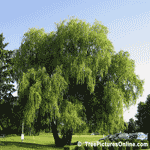 Willow Trees Category |
 |
||
|
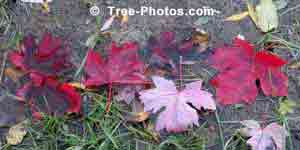
Maple Tree Leaves: More images of Maples? Please follow to the Maple Tree Gallery. Full size the photo, just click on maple leaf image. |
||
 |
||
Palm Tree Landscape: More tropical images of Palms? Please follow to the Palm Tree Gallery. Full size the photo, just click on beach tree image.
TweetUnited States land is covered by over 30 per cent with trees and forests
Tree Picture Finds, Stumbled on these Tree Images
We add new tree pictures as they come in to us, on a weekly & monthly basis. We hope you enjoy all our tree photos and information on the different types of trees and species.
Tree Pictures
Tree Images Video; a unique collection of tree photos from the start of blue bells under the beech trees, different oak trees images ... along with various pine tree photos. An artistically assembled tree video together with sayings and poems celebrating the tree. Nicely done tree video images with wonderful piano tunes song called Eclipse by Suzanne Ciani..
Bottle Tree Pictures
Bottle Tree Images, a collection of trees artistically decorated with colorful glass bottles. Not to be confused with the real and unusual Bottle Tree
Sequoia Tree Pictures
Sequoia Tree Images, a great collection of the large Titan Sequoias tree. The worlds second biggest tree, the "President" is over 3,200 years old located in Sequoia National Park, California Nevada USA Region. More Sequoia Tree facts and pictures can be found at our TreePicturesOnline Sequoia Trees Photos page.
Tree Photos of Trees from Iceland
Tree Pictures and images from Iceland, interesting photos of various trees in summer, autumn and winter. More Winter Tree pictures can be found at impressive Winter Tree Pictures page.
Tree wallpaper images can make beautiful backgrounds on your computer`s desktop. See our tree wallpaper photographs link in the left tree categories.
Thank you for visiting our Tree Pictures at TreePicture Online.com, please come back soon for more great tree photos!
Pictures Sites
Fireplace Pictures -
Tree Pictures -
Gazebo Pictures -
Symbols & Their Meanings
Resume Samples -
Church Pictures -
Manufactured Home Pictures
Natural Log Siding -
Shadow Puppets -
Caribbean Islands
Play Touch Games -
Waterfall Pictures
Make Hot Pictures - Job Application Forms
