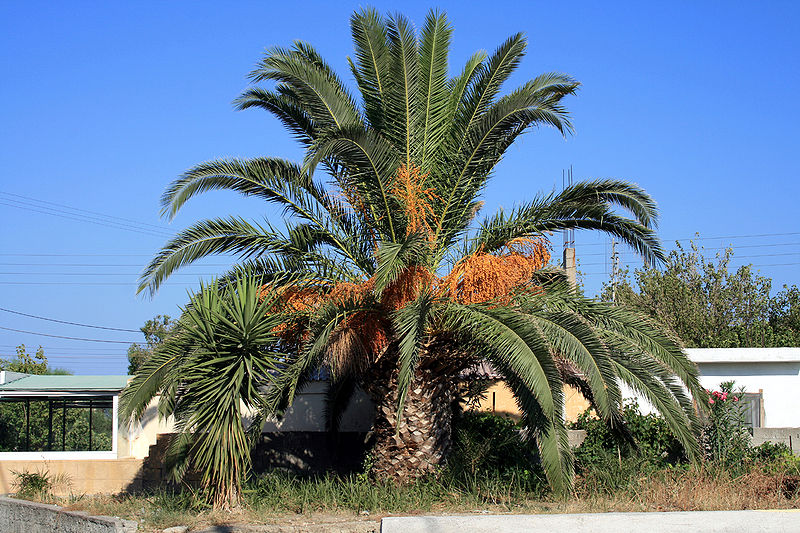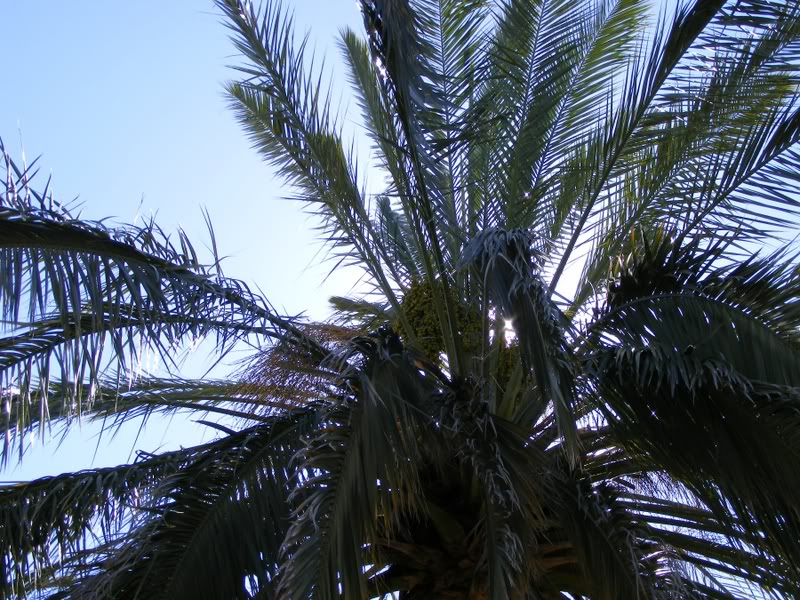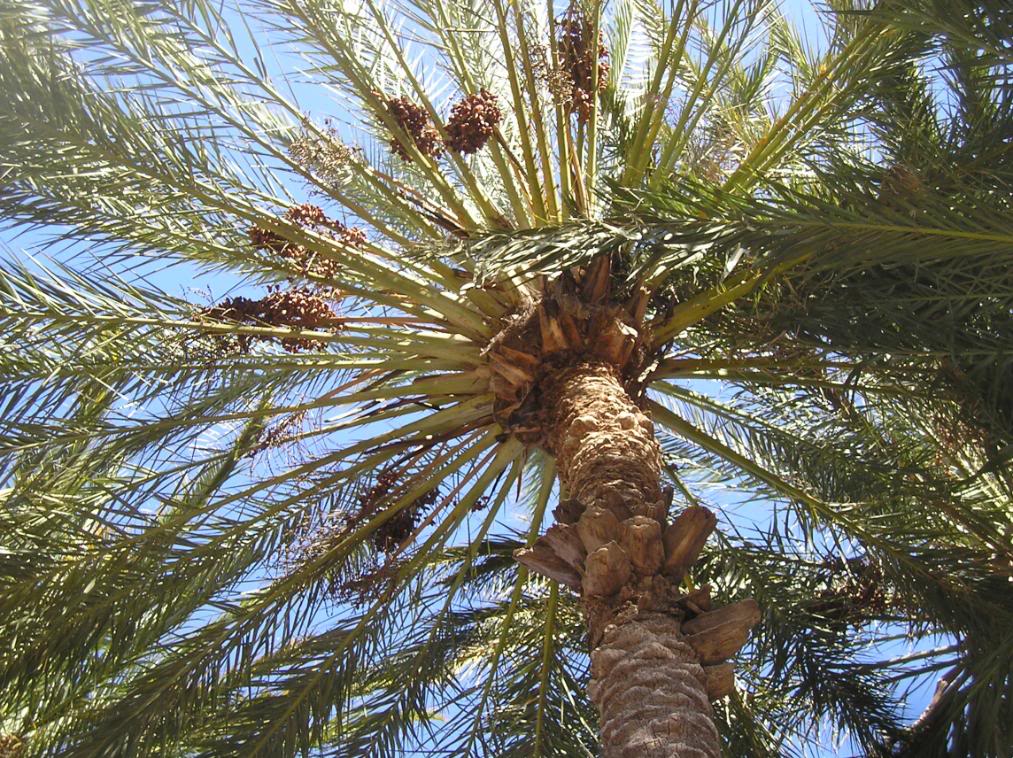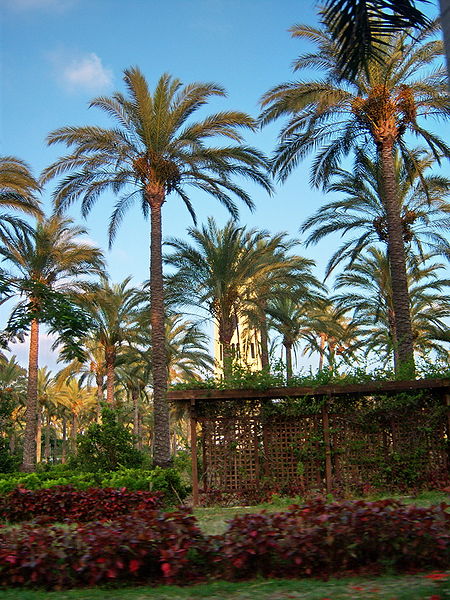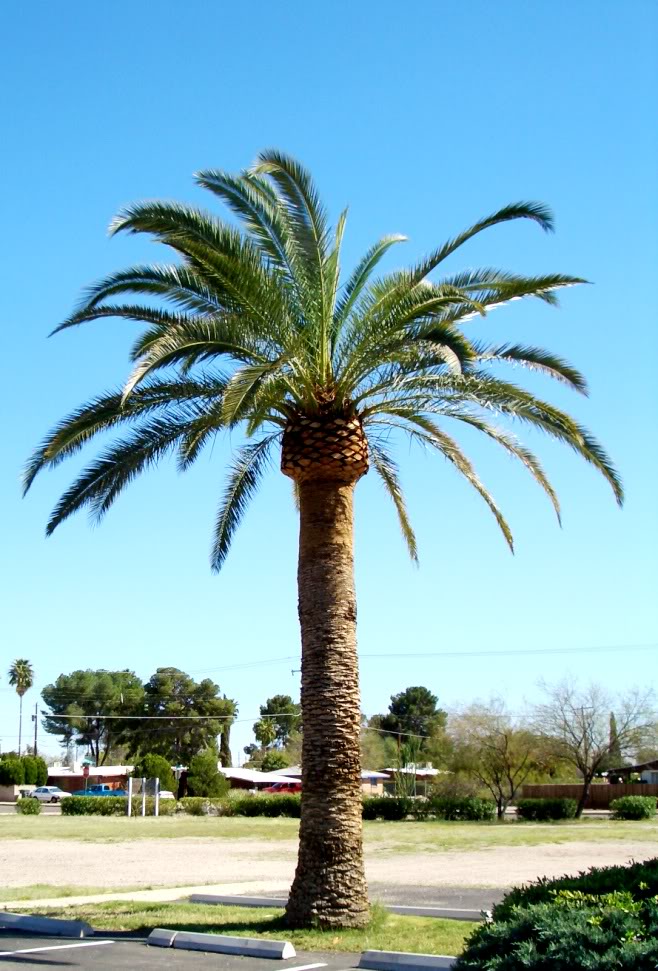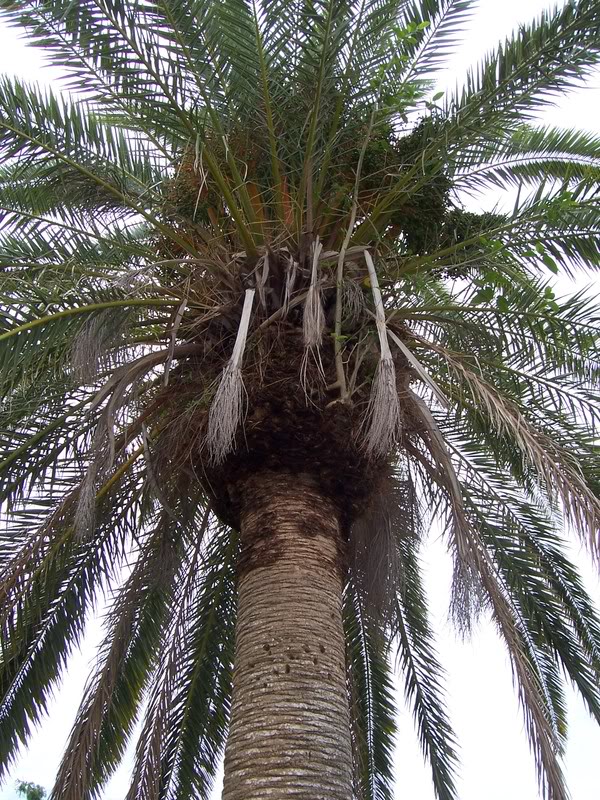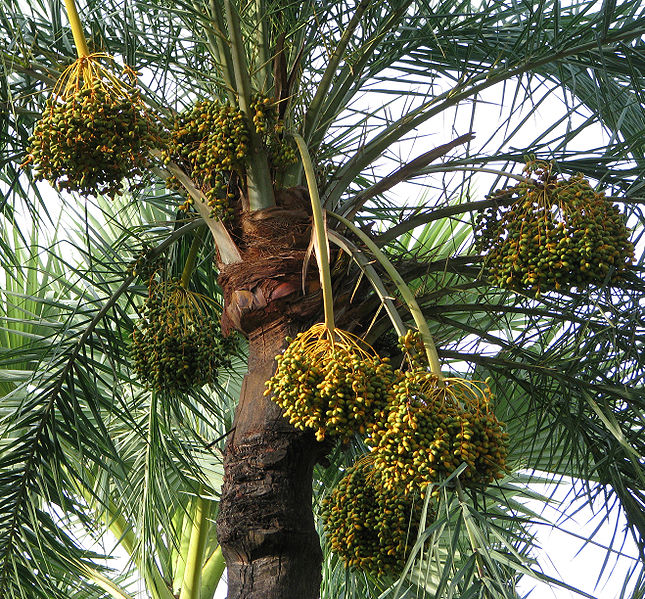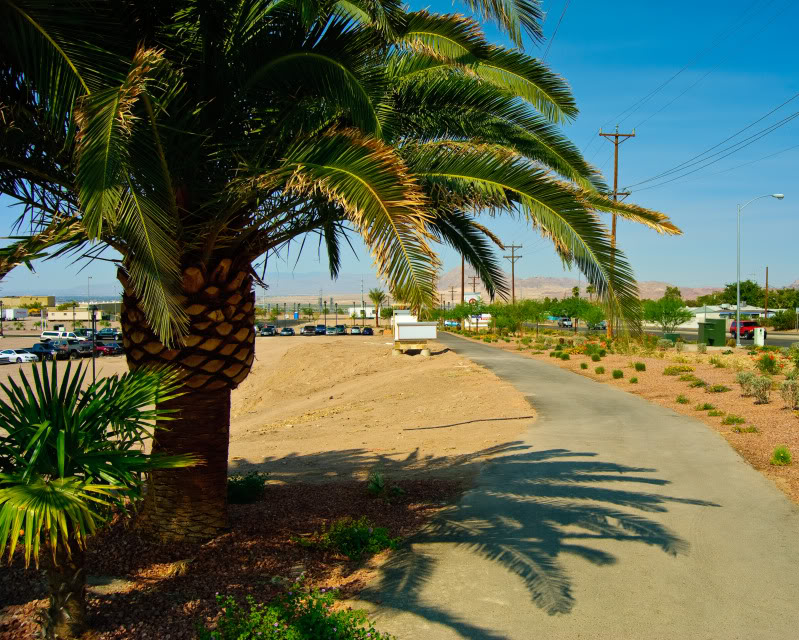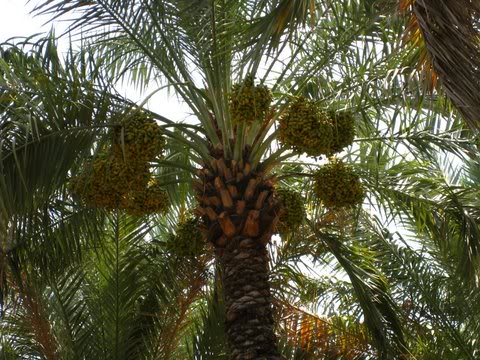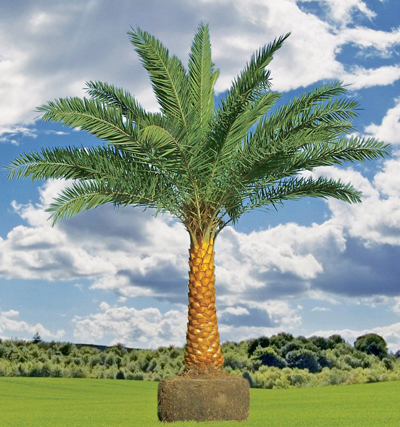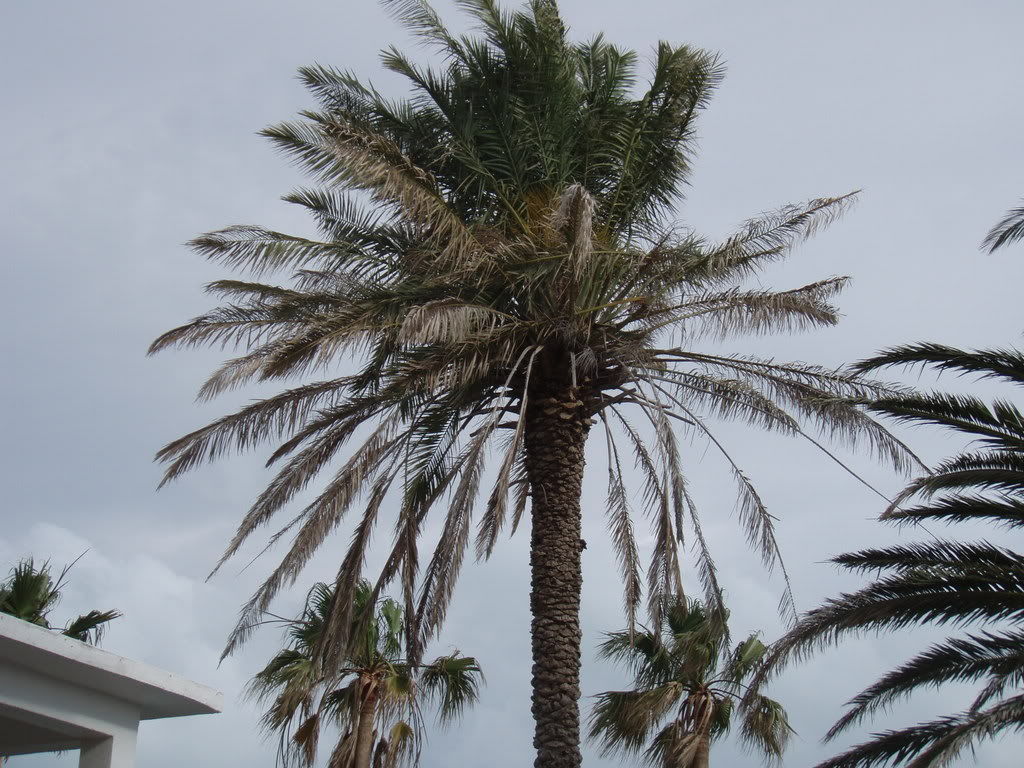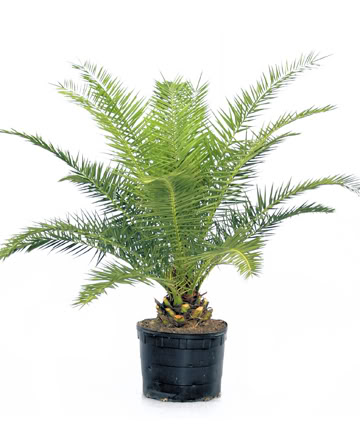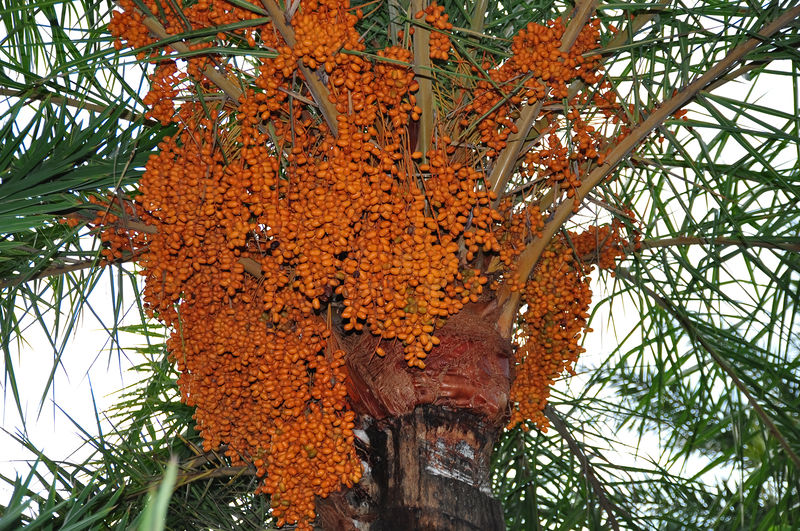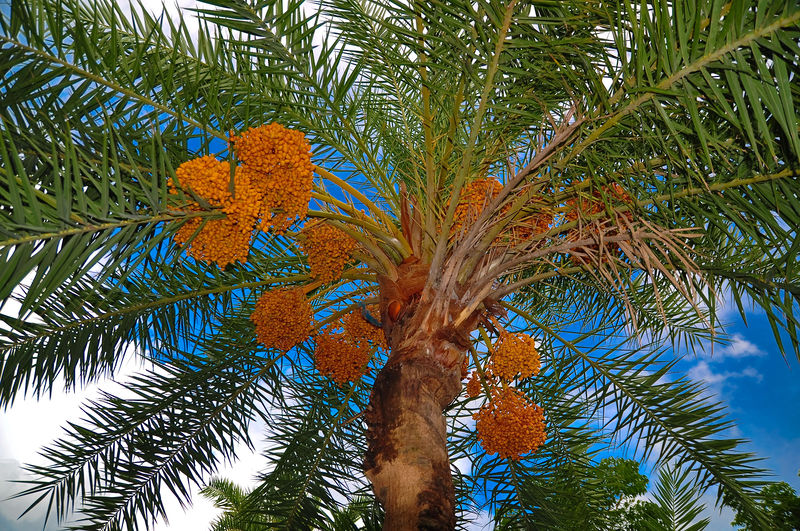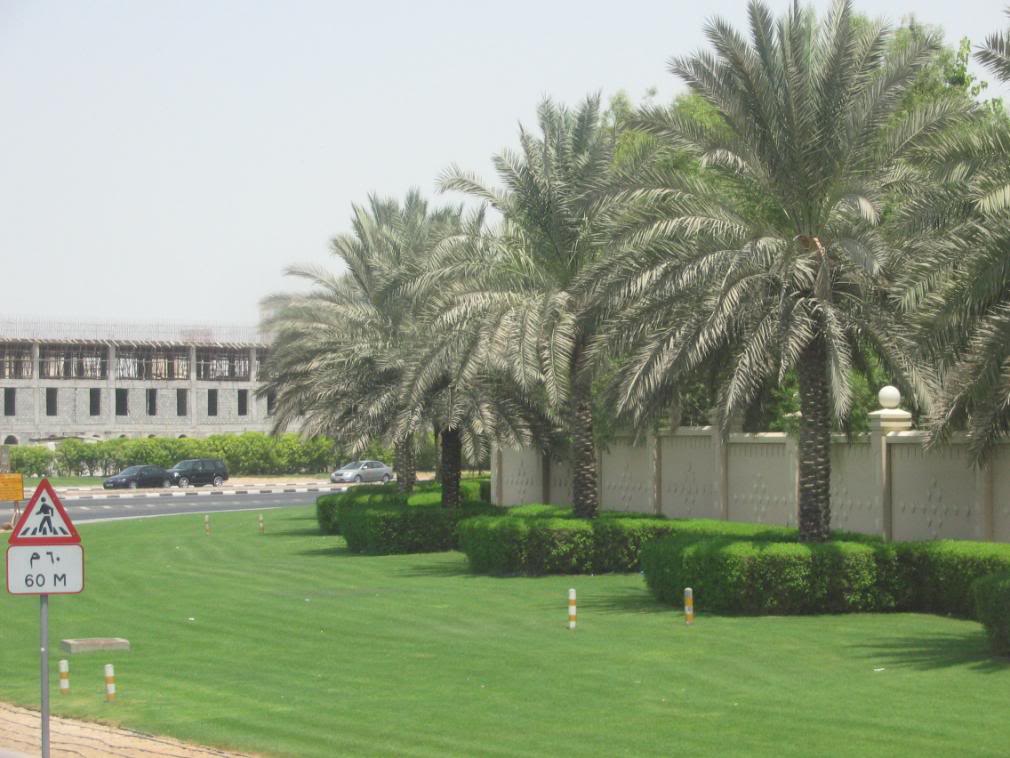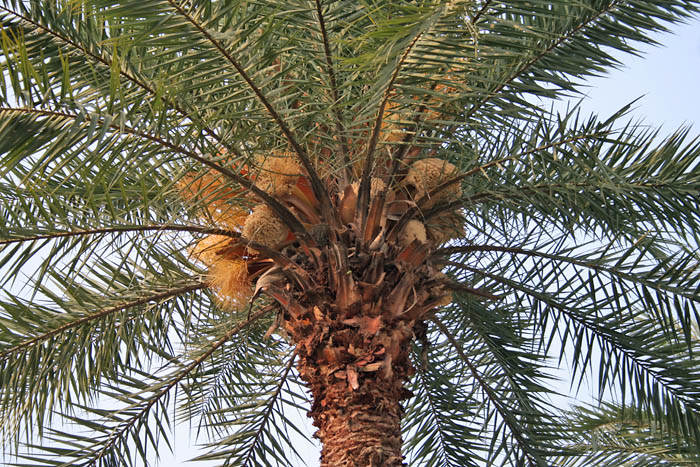
Date Palm Tree PicturesDate Palm Tree PicturesIn this Palm Tree Pictures category you will find lots of nice pictures of date palm trees. You will also find a lot of wonderful information on date palm trees, including information about the date palm tree species, planting information, and much more. This is valuable and useful information that can help you to identify and learn more about the date palm tree. To view each date palm tree picture in full size just click on the tree picture. Enjoy the pictures of the date palm tree. Date Palm Tree Pictures
Date Palm Tree, Facts and Information on Date Palm TreesDate Palm Scientific Name: Phoenix dactyliferaHere is some detailed information on date palm trees. The date palm tree (Phoenix dactylifera) is a palm in the genus Phoenix, cultivated for its edible sweet fruit. Although its place of origin is unknown because of long cultivation, it probably originated from lands around the Persian Gulf. It is a medium-sized plant, 15 to 25 m tall, growing singly or forming a clump with several stems from a single root system. The date palm tree leaves are 3 to 5 m long, with spines on the petiole, and pinnate, with about 150 leaflets; the leaflets are 30 cm long and 2 cm wide. The full span of the crown ranges from 6 to 10 m. Dates have been a staple food of the Middle East for thousands of years. They are believed to have originated around the Persian Gulf, and have been cultivated since ancient times from Mesopotamia to prehistoric Egypt, possibly as early as 4000 BCE. The Ancient Egyptians used the fruits to be made into date wine, and ate them at harvest. There is archaeological evidence of date cultivation in eastern Arabia in 6000 BCE. The fruit is known as a date. The fruit's English name, as well as the Latin species name dactylifera, both come from the Greek word for "finger," dáktulos, because of the fruit's elongated shape. Dates are oval-cylindrical, 3 to 7 cm long, and 2 to 3 cm diameter, and when unripe, range from bright red to bright yellow in colour, depending on variety. Dates contain a single seed about 2 to 2.5 cm long and 6 to 8 mm thick. Since the males are of value only as pollinators, this allows the growers to use their resources for many more fruit producing female plants. Some growers do not even maintain any male plants as male flowers become available at local markets at pollination time. Manual pollination is done by skilled labourers on ladders. In some areas such as Iraq the pollinator climbs the tree using a special climbing tool that wraps around the tree trunk and the climber's back to keep him attached to the trunk while climbing. Less often the pollen may be blown onto the female flowers by a wind machine. Dry or soft dates are eaten out-of-hand, or may be pitted and stuffed with fillings such as almonds, walnuts, candied orange and lemon peel, tahini, marzipan or cream cheese. Pitted dates are also referred to as stoned dates. Partially dried pitted dates may be glazed with glucose syrup for use as a snack food. Dates can also be chopped and used in a range of sweet and savory dishes, from tajines (tagines) in Morocco to puddings, ka'ak (types of Arab cookies) and other dessert items. Date nut bread, a type of cake, is very popular in the United States, especially around holidays. Stripped fruit clusters are used as brooms. In Pakistan, a viscous, thick syrup made from the ripe fruits is used as a coating for leather bags and pipes to prevent leaking. Date palm sap is used to make palm syrup and numerous edible products derived from the syrup. Date Palm in Coat of arms of Saudi Arabia. Date palm leaves are used for Palm Sunday in the Christian religion. In North Africa, they are commonly used for making huts. Mature leaves are also made into mats, screens, baskets and fans.
Thank you for visiting Date Palm Tree Pictures atTree Pictures Online.com, please come back soon for more great tree pictures!
Pictures SitesFireplace Pictures - Tree Pictures - Gazebo Pictures Church Pictures Ancient Symbols Fall Pictures Manufactured Home Pictures
|