


Mangrove Tree Pictures
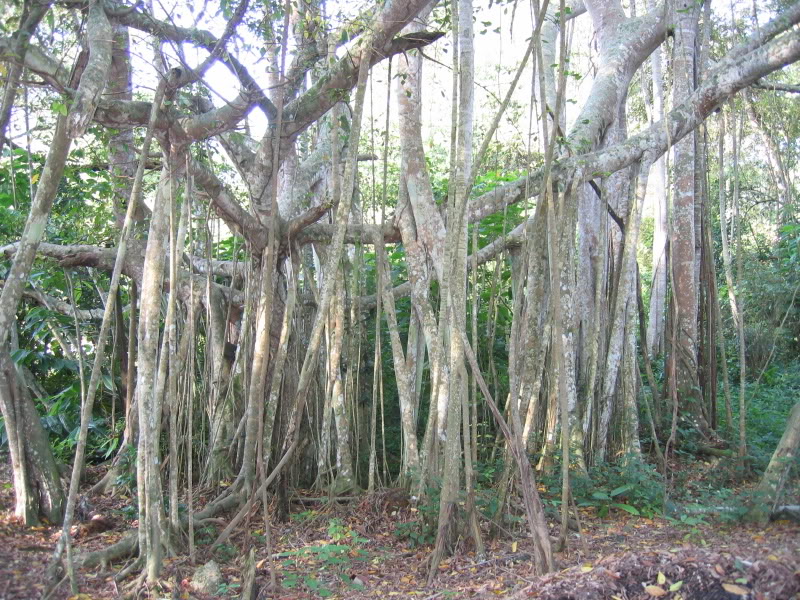
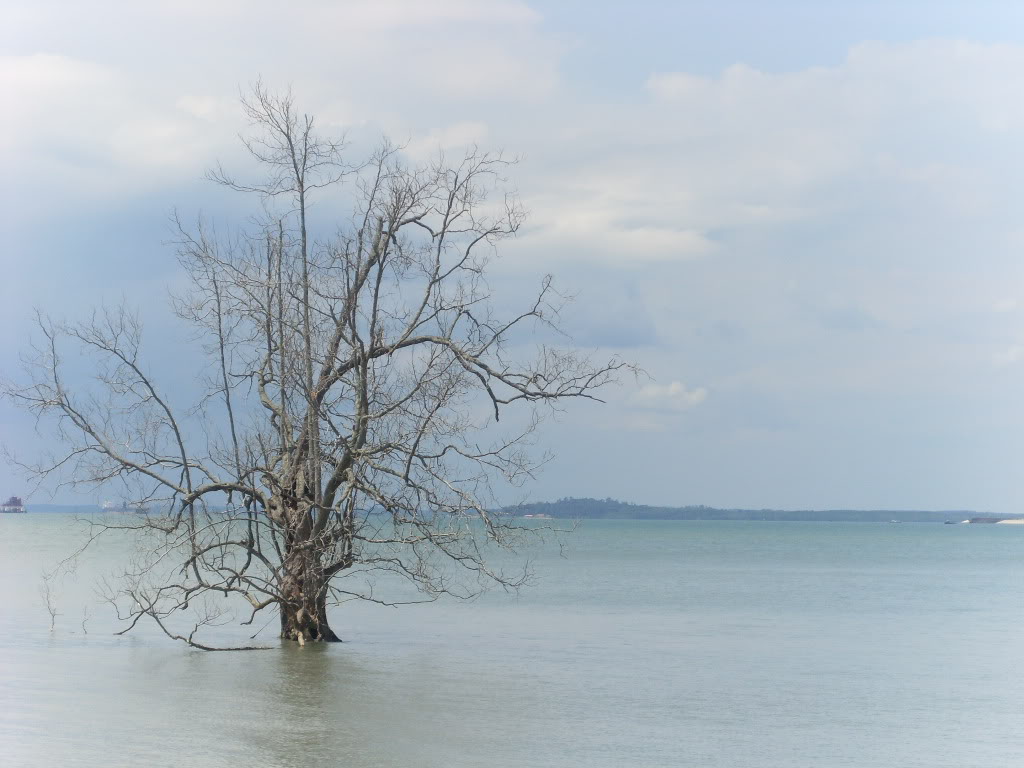
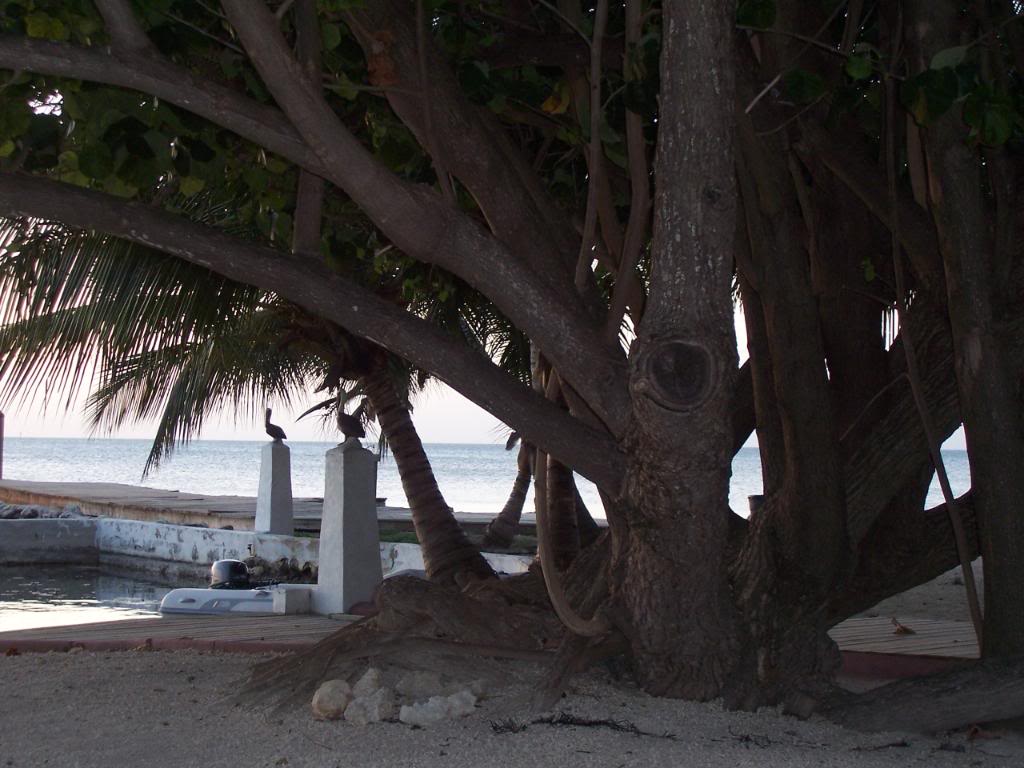
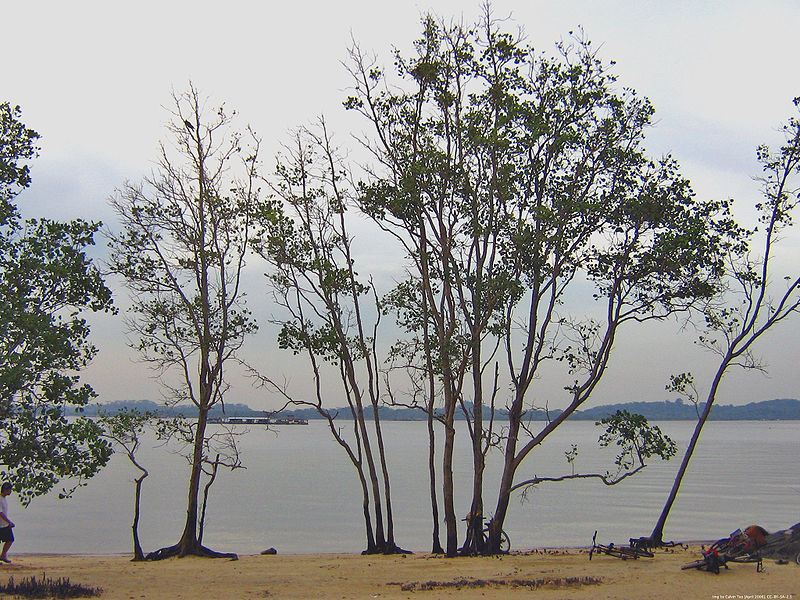
Welcome to our mangrove tree pictures page.
On this page you will find lots of nice pictures of mangrove trees.
Mangrove Tree Facts
You will also find a lot of wonderful information on mangrove trees, including information about the mangrove tree species, planting information, and much more.
This is valuable and useful information that can help you to learn more about the mangrove tree.
Mangrove Tree Images
To view each mangrove tree picture in full size just click on the pictures
Enjoy the pictures of the mangrove tree.
Mangrove Tree Photo Gallery
 |
 |
 |
 |
 |
 |
 |
 |
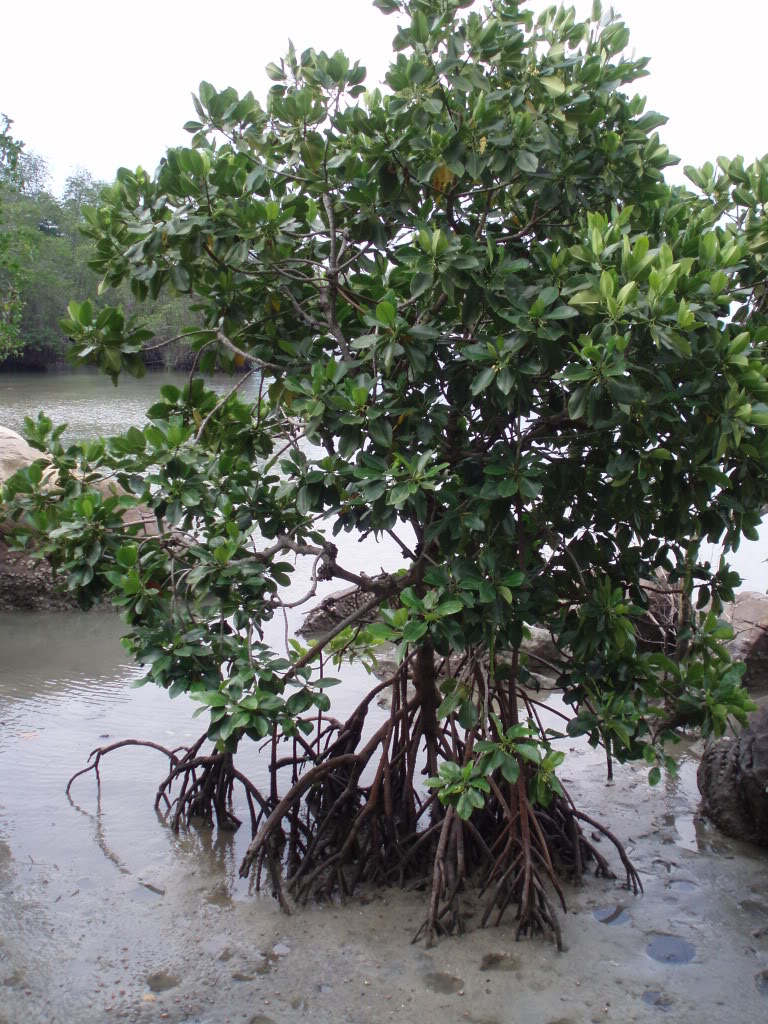 |
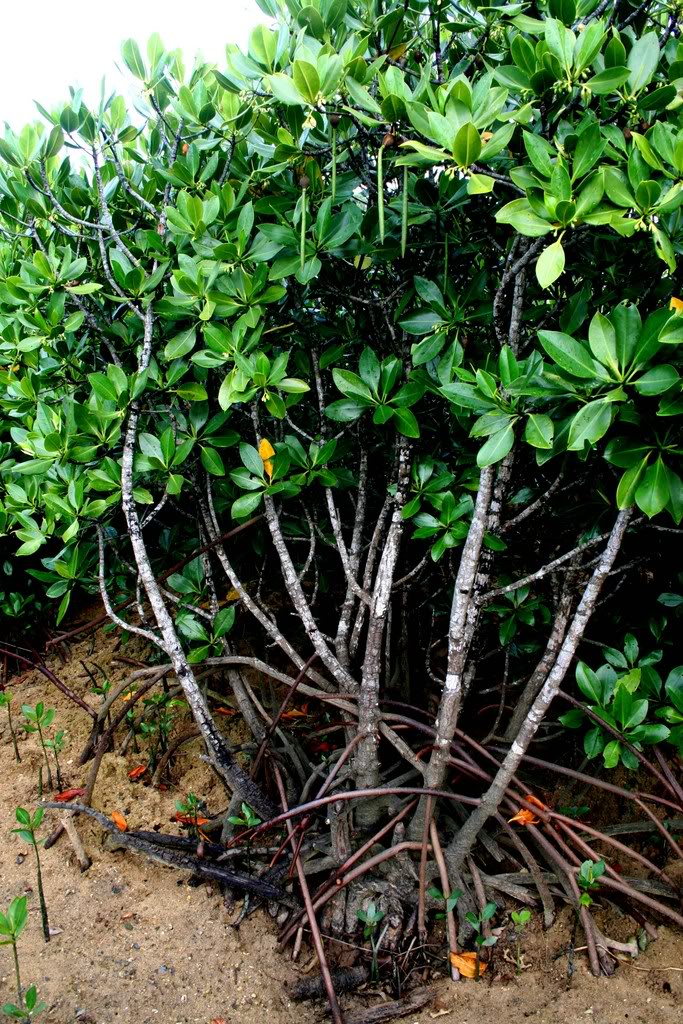 |
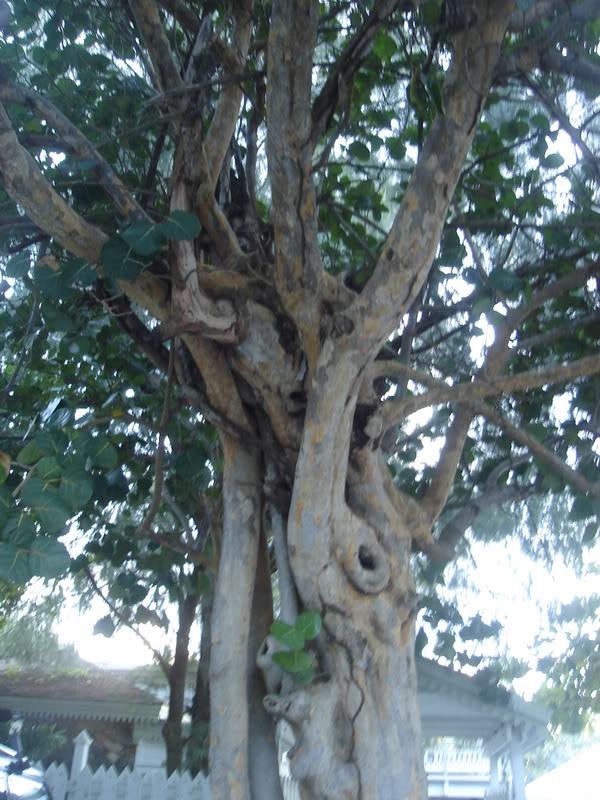 |
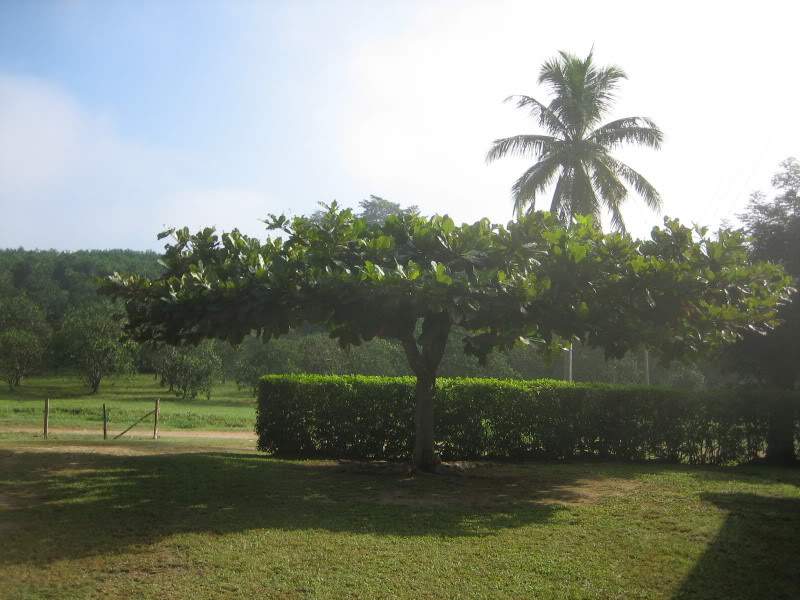
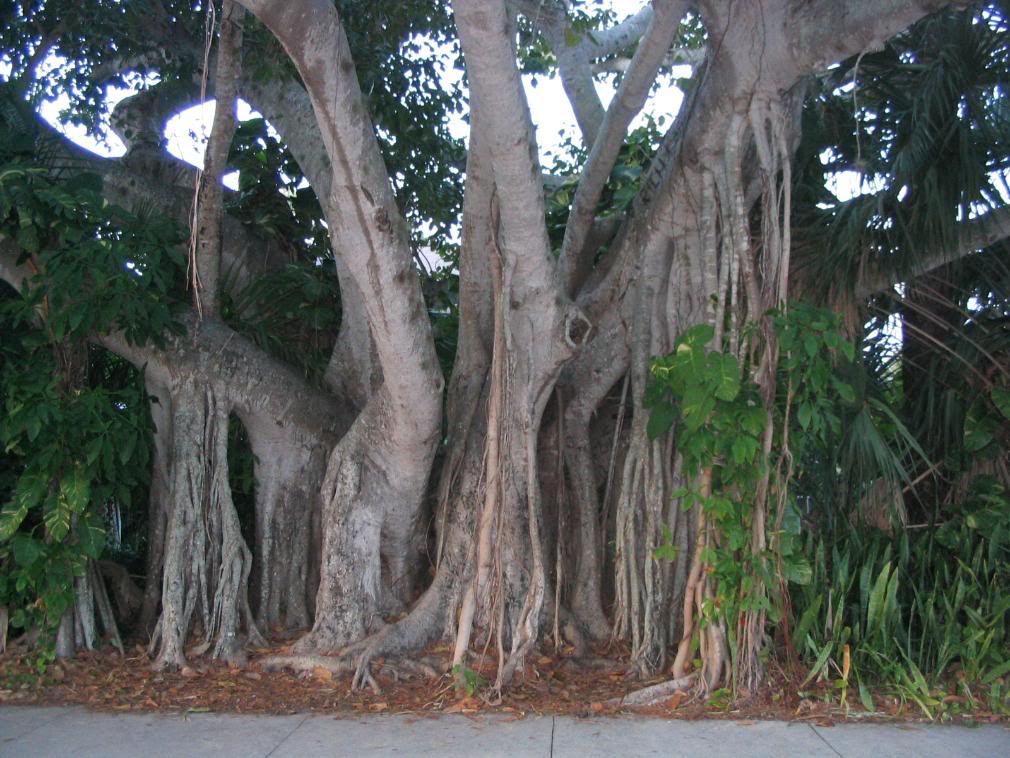
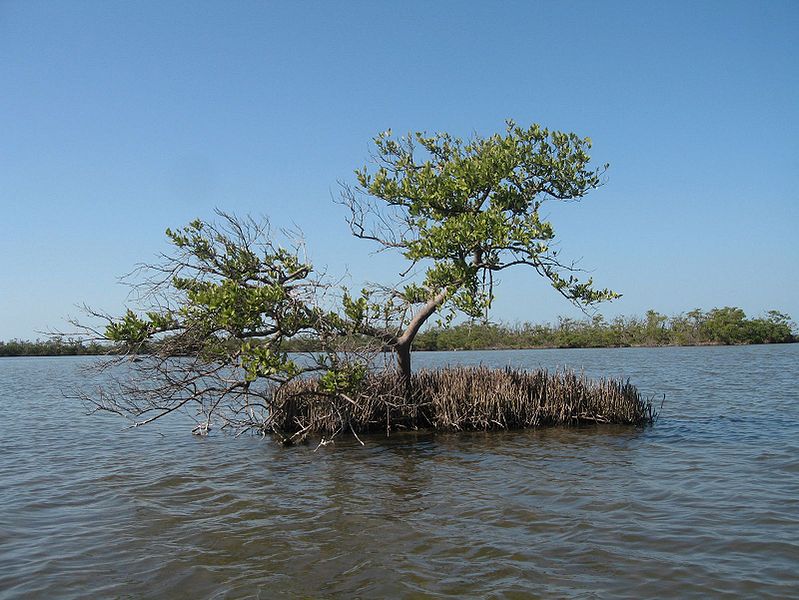
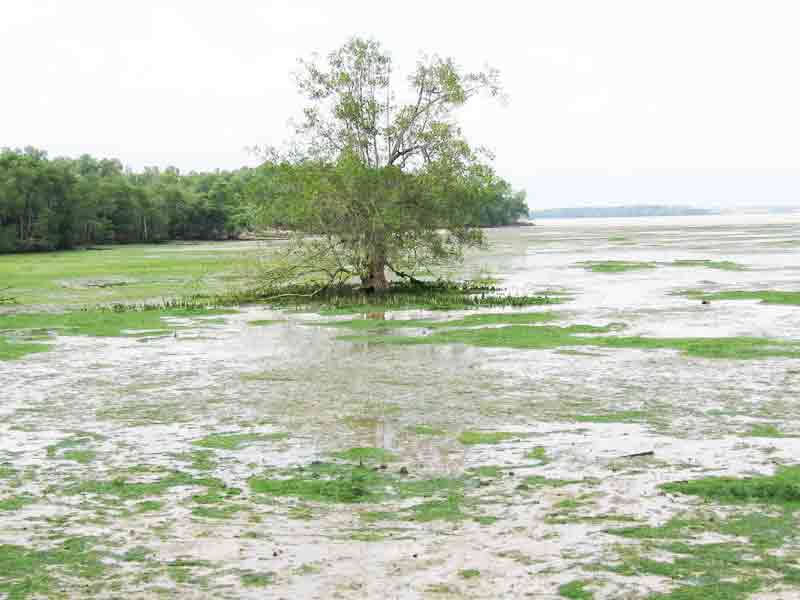
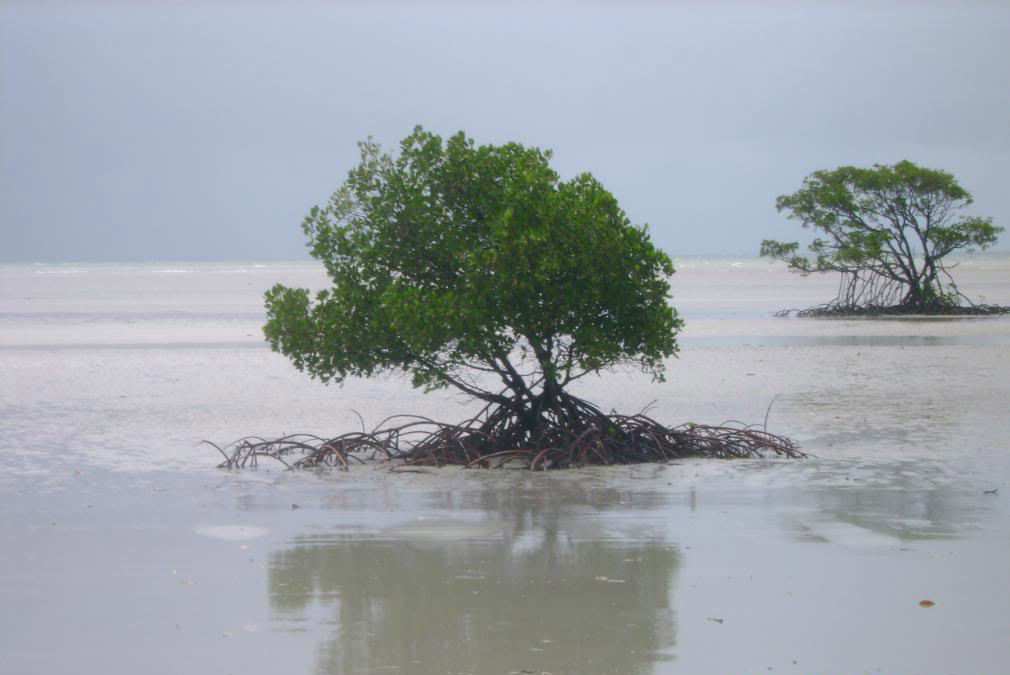
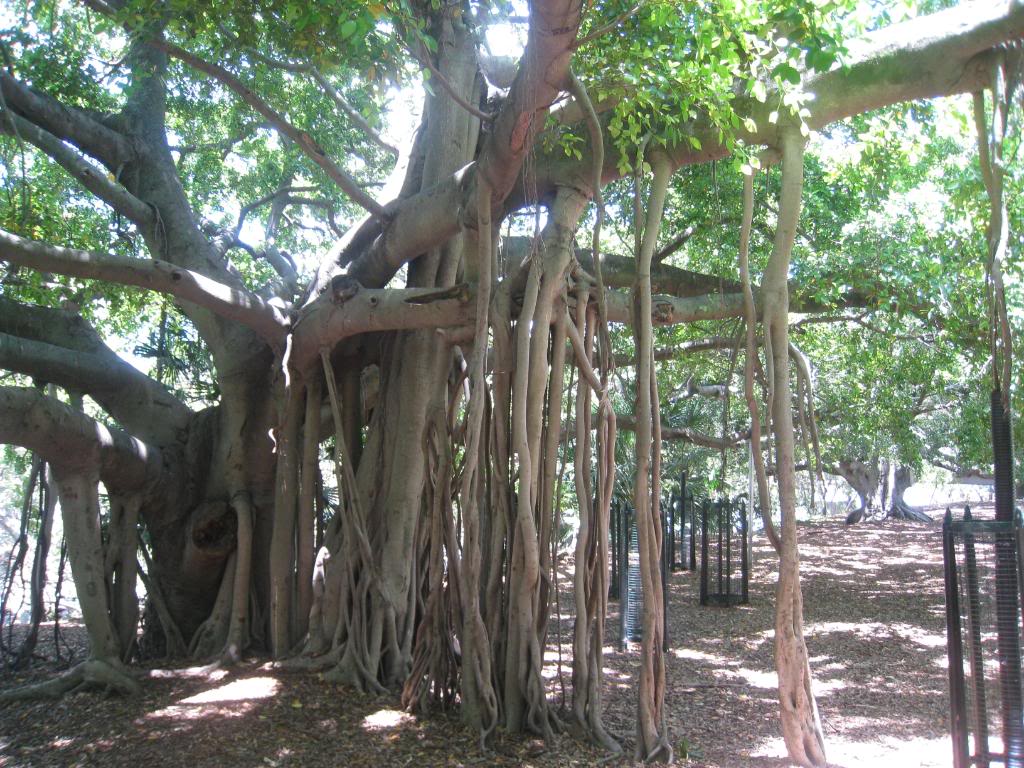
Mangrove Trees: Facts
Mangrove Tree Scientific Name: Rhizophoraceae
Mangrove Tree Types: Different Types of Mangrove Trees
- Black Mangrove Tree, Avicennia germinans
- Grey Mangrove Tree, Avicennia marina
- Milky Mangrove Tree,
- Orange Mangrove Tree,
- Red Mangrove Tree, Rhizophora mangle
- River Mangrove Tree,
- White Mangrove Tree, Laguncularia racemosa
- Yellow Mangrove Tree,
Here is some detailed information on mangrove trees.
Mangroves are various kinds of trees up to medium height and shrubs that grow in saline coastal sediment habitats in the tropics and subtropics mainly between latitudes 25 degrees N and 25 degrees S. Such bosks are also part of the mangrove forest biome. The saline conditions tolerated by various species range from brackish water, through pure seawater (30 to 40 ppt), to water concentrated by evaporation to over twice the salinity of ocean seawater.
There are many species of trees and shrubs adapted to saline conditions. Not all are closely related, and the term "mangrove" may be used for all of them, or more narrowly only for the mangrove family of plants, the Rhizophoraceae, or even more specifically just for mangrove trees of the genus Rhizophora.
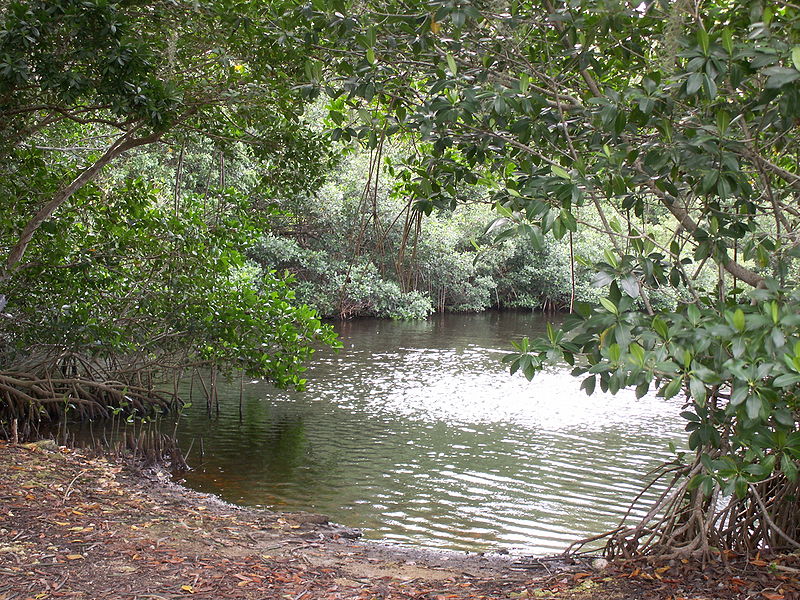
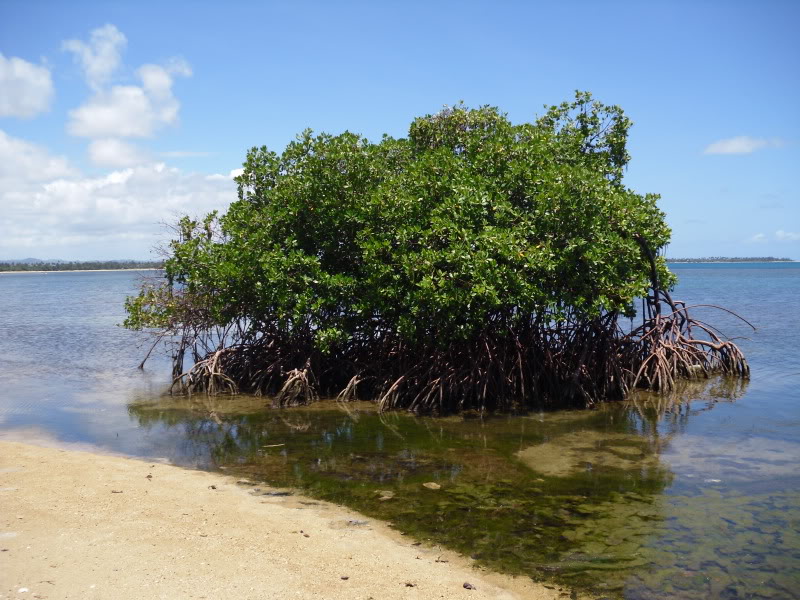
Mangroves form a characteristic saline woodland or shrubland habitat, called mangrove swamp, mangrove forest, mangrove or mangal. Mangals are found in depositional coastal environments, where fine sediments (often with high organic content) collect in areas protected from high-energy wave action. Mangroves dominate three quarters of tropical coastlines. Mangroves are found in tropical and subtropical tidal areas. Areas where mangals occur include estuaries and marine shorelines.
The intertidal existence to which these trees are adapted repesents the major limitation to the number of species able to thrive in their habitat. High tide brings in salt water, and when the tide recedes, solar evaporation of the seawater in the soil leads to further increases in salinity. The return of tide can flush out these soils, bringing them back to salinity levels comparable to that of seawater. At low tide, organisms are also exposed to increases in temperature and desiccation, and are then cooled and flooded by the tide. Thus, in order for a plant to survive in this environment, it must tolerate broad ranges of salinity, temperature, and moisture, as well as a number of other key environmental factors. It is unsurprising, perhaps, that only a select few species make up the mangrove tree community.
Of the recognized 110 mangrove species, only about 54 species in 20 genera from 16 families constitute the "true mangroves", species that occur almost exclusively in mangrove habitats. Demonstrating convergent evolution, many of these species found similar solutions to the tropical conditions of variable salinity, tidal range (inundation), anaerobic soils and intense sunlight. Plant biodiversity is generally low in a given mangal. This is especially true in higher latitudes and in the Americas. The greatest biodiversity occurs in the mangal of New Guinea, Indonesia and Malaysia.
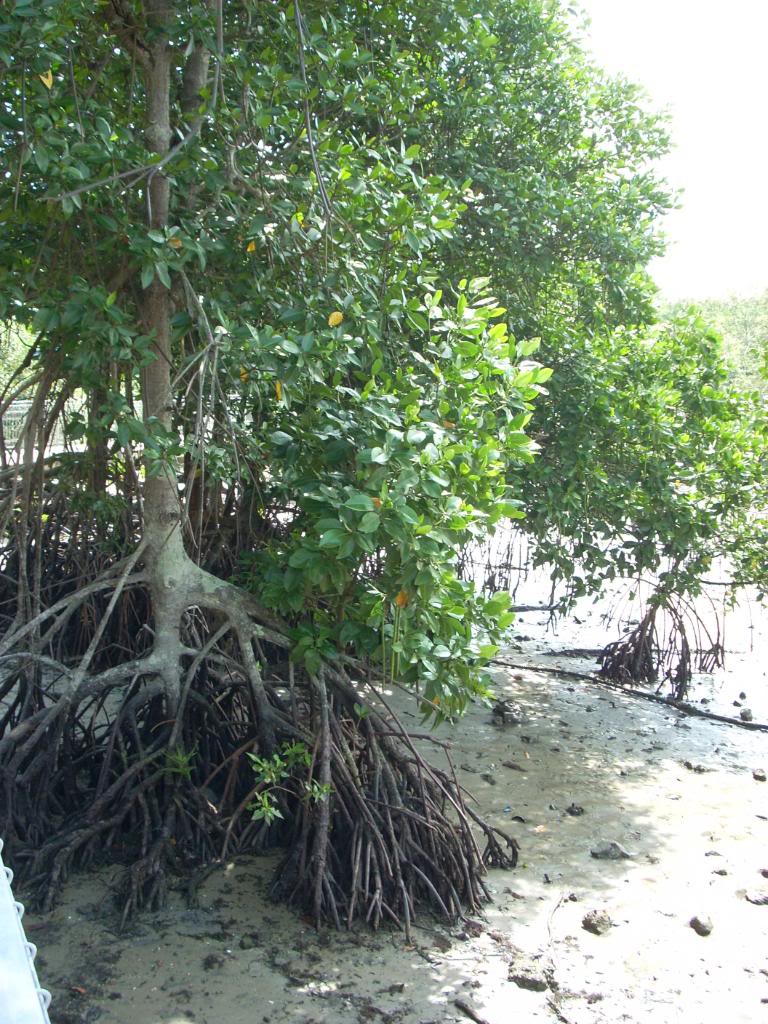
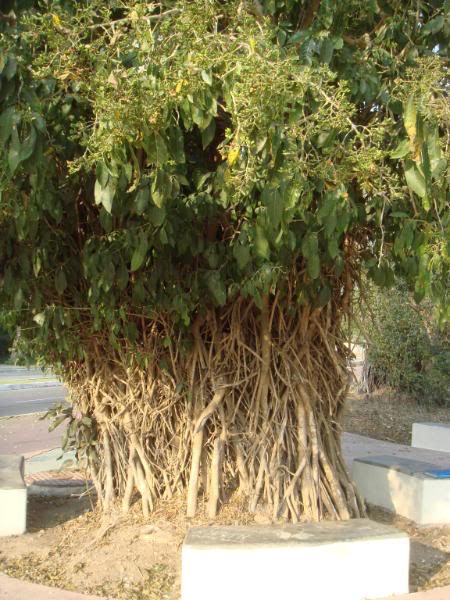
Red mangroves, which can survive in the most inundated areas, prop themselves above the water level with stilt roots and can then absorb air through pores in their bark (lenticels). Black mangroves live on higher ground and make many pneumatophores (specialised root-like structures which stick up out of the soil like straws for breathing) which are also covered in lenticels. These "breathing tubes" typically reach heights of up to thirty centimeters, and in some species, over three meters. There are four types of pneumatophore stilt or prop type, snorkel or peg type, knee type, and ribbon or plank type. Knee and ribbon types may be combined with buttress roots at the base of the tree. The roots also contain wide aerenchyma to facilitate transport within the plant.
Because of the limited fresh water available in salty intertidal soils, mangroves limit the amount of water they lose through their leaves. They can restrict the opening of their stomata (pores on the leaf surfaces, which exchange carbon dioxide gas and water vapour during photosynthesis). They also vary the orientation of their leaves to avoid the harsh midday sun and so reduce evaporation from the leaves. Anthony Calfo, a noted aquarium author, observed anecdotally a red mangrove in captivity only grows if its leaves are misted with fresh water several times a week, simulating the frequent tropical rainstorms.
In this harsh environment, mangroves have evolved a special mechanism to help their offspring survive. Mangrove seeds are buoyant and therefore suited to water dispersal. Unlike most plants, whose seeds germinate in soil, many mangroves (e.g. red mangrove) are viviparous, whose seeds germinate while still attached to the parent tree. Once germinated, the seedling grows either within the fruit (e.g. Aegialitis, Avicennia and Aegiceras), or out through the fruit (e.g. Rhizophora, Ceriops, Bruguiera and Nypa) to form a propagule (a ready-to-go seedling) which can produce its own food via photosynthesis. The mature propagule then drops into the water, which can transport it great distances. Propagules can survive desiccation and remain dormant for over a year before arriving in a suitable environment. Once a propagule is ready to root, its density changes so the elongated shape now floats vertically rather than horizontally. In this position, it is more likely to lodge in the mud and root. If it does not root, it can alter its density and drift again in search of more favorable conditions.
Thank you for visiting our Mangrove Tree Pictures at Tree Pictures Online.com, please come back soon for more great tree pictures!

Impressive Tree Pictures
Collection of Impressive Tree Images
Trees: Recent Tree Photos, Pics & Images |
||
 Palm Tree Pictures |
 Beech Trees |
 Palm Trees |
 Oak Tree Gallery |
 Christmas Trees |
 Maple Trees |
 Apple Tree Photo Gallery |
 Apple Tree Images |
 Palm Trees Gallery |
 Japanese Maple Trees |
 Pine Tree Gallery |
 Willow Trees Category |
Tree wallpaper images can make beautiful backgrounds on your computer`s desktop. See our tree wallpaper photographs link in the left tree categories.
Thank you for visiting our Tree Pictures at TreePicture Online.com, please come back soon for more great tree photos!
Pictures Sites
Fireplace Pictures - Tree Pictures - Gazebo Pictures
Church Pictures
Fall Pictures
Manufactured Home Pictures
Log Siding
Shadow Puppets
Caribbean Islands
Play Touch Games
Pictures of Winter Shadow Puppet Pictures
Waterfall Pictures
Resume Samples
Make Hot Pictures Job Application Forms
