


Rubber Tree Pictures
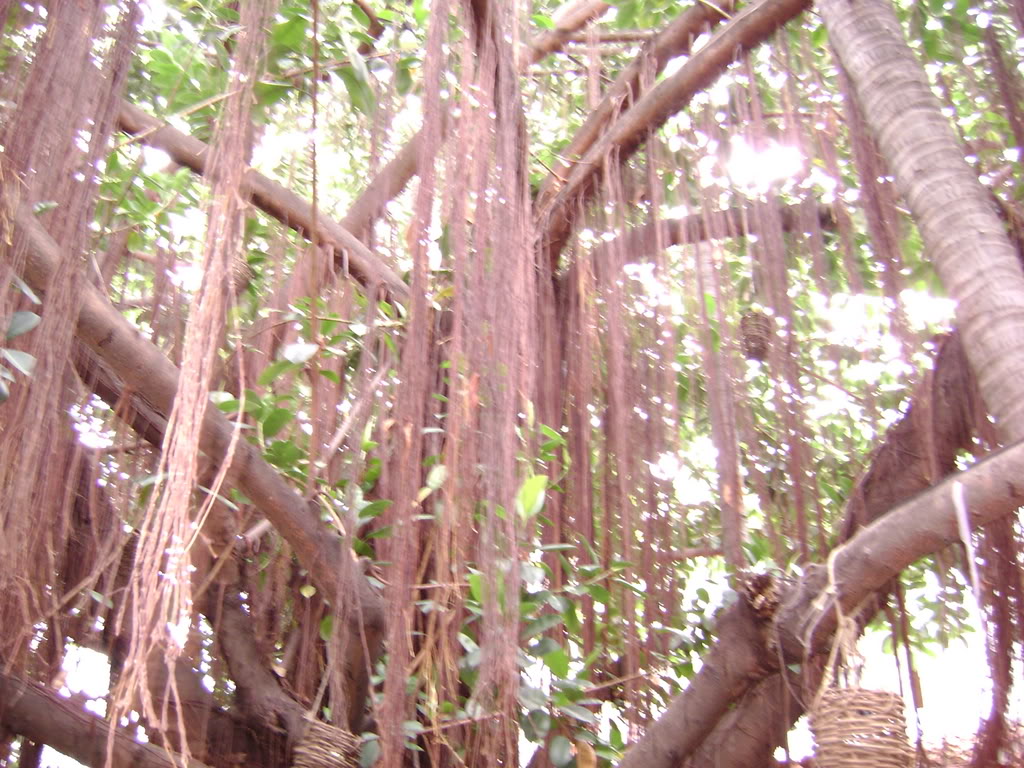
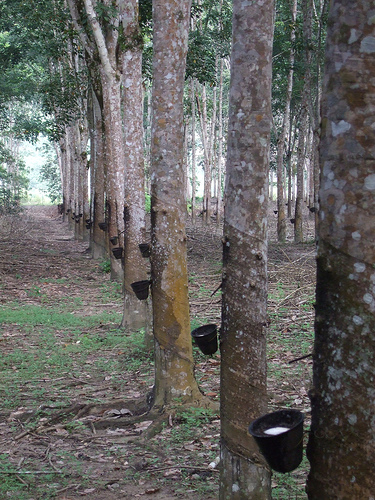
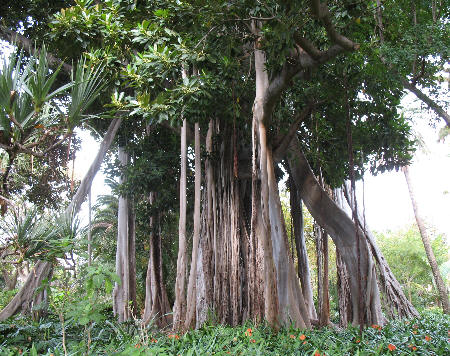
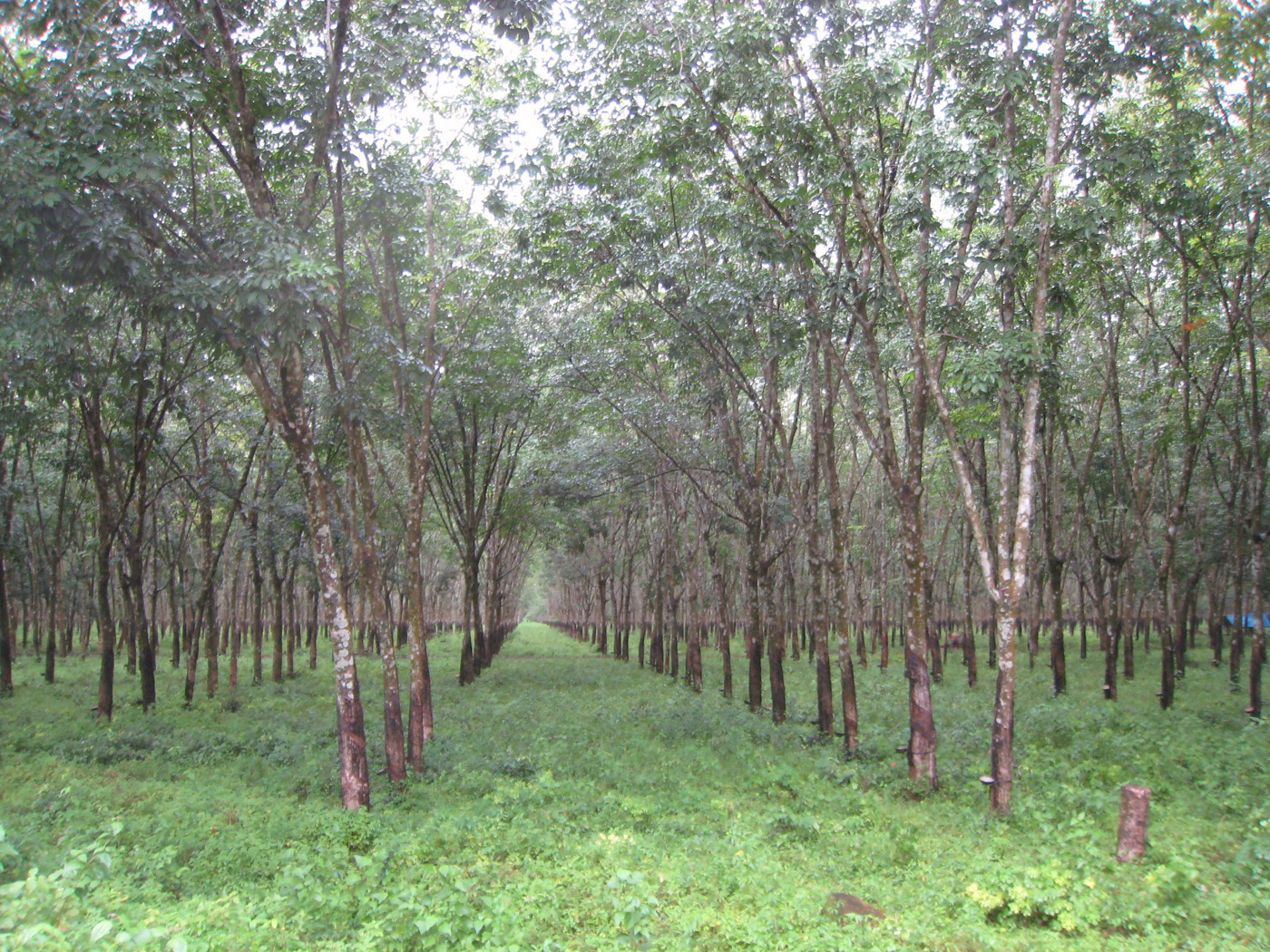
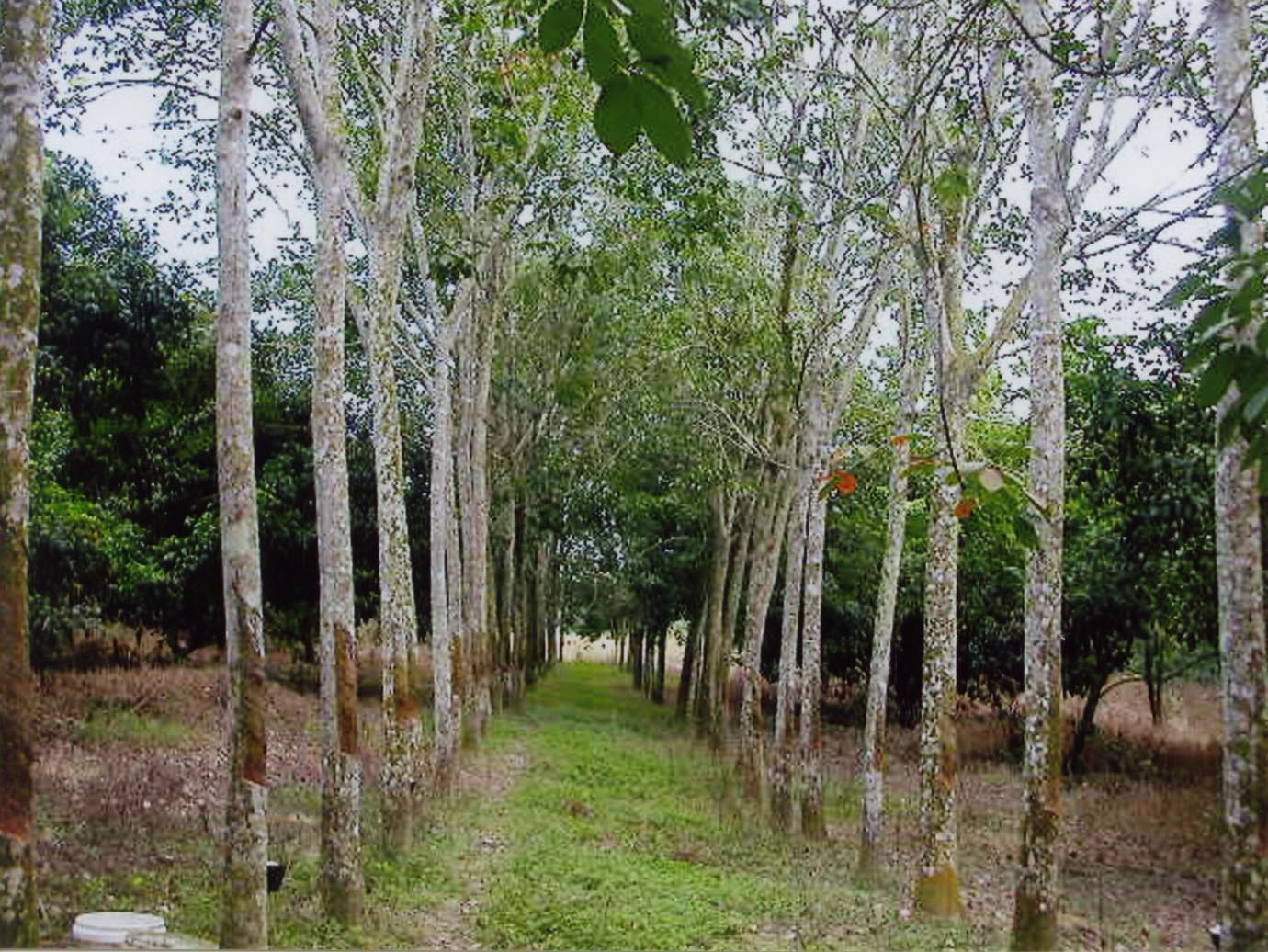
Welcome to our rubber tree pictures page.
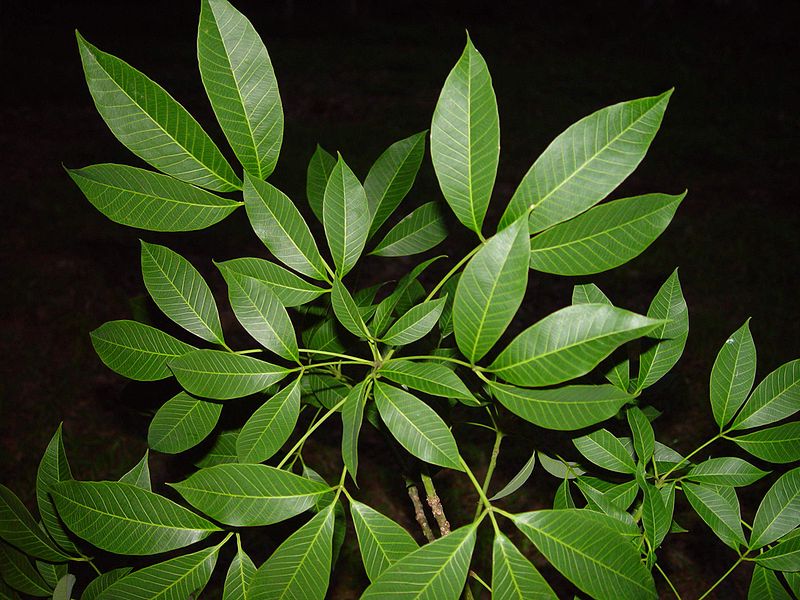
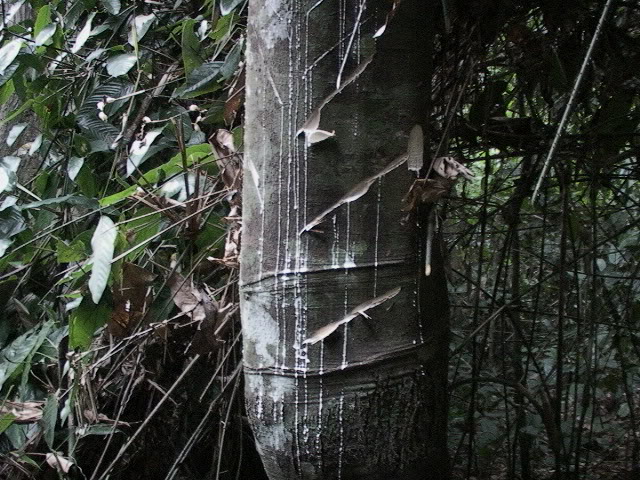
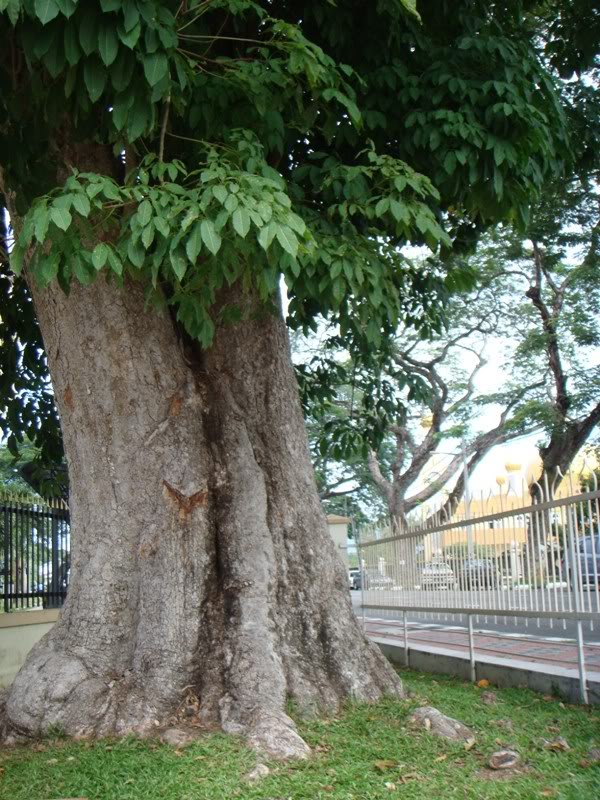
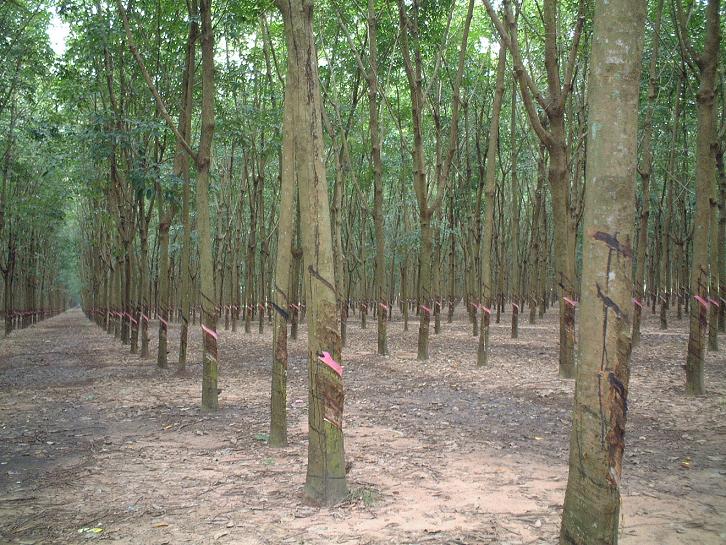
On this page you will find lots of nice pictures of rubber trees.
You will also find a lot of wonderful information on rubber trees, including information about the rubber tree species, planting information, and much more.
This is valuable and useful information that can help you to learn more about the rubber tree.
Rubber Tree Pictures
To view each rubber tree picture in full size just click on the pictures.
Enjoy theses pictures of Rubber Trees.
Rubber Tree Picture Gallery
 |
 |
 |
 |
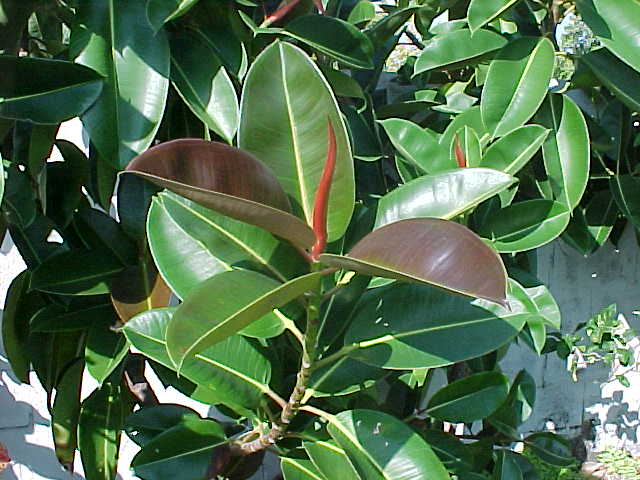 |
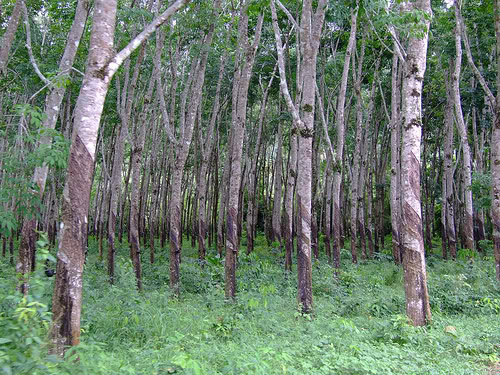 |
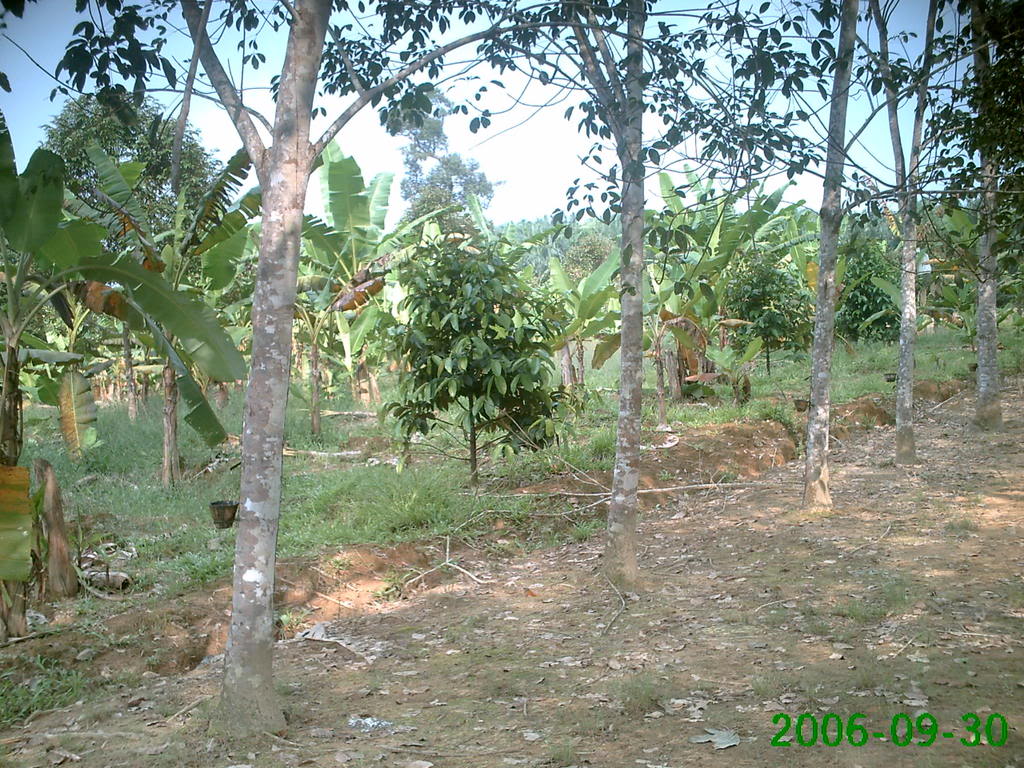 |
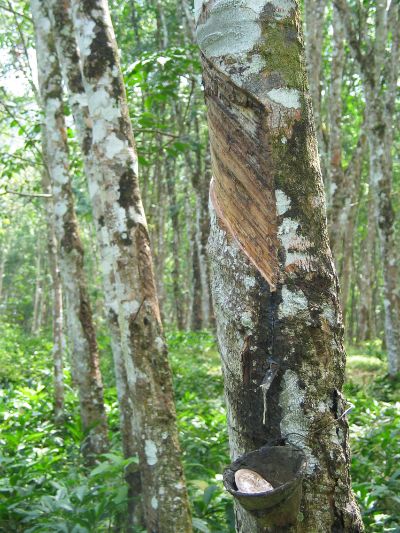 |
 |
 |
 |
 |
 |
 |
 |
 |
 |
Rubber Tree Facts
Here is some general information on the rubber tree.
Hevea brasiliensis, the Para rubber tree, often simply called rubber tree, is a tree belonging to the family Euphorbiaceae and the most economically important member of the genus Hevea. It is of major economic importance because its sap-like extract (known as latex) can be collected and is the primary source of natural rubber.
In the wilderness, the tree can reach a height of up to 144 feet (44 m). The white or yellow latex occurs in latex vessels in the bark, mostly outside the phloem. These vessels spiral up the tree in a right-handed helix which forms an angle of about 30 degrees with the horizontal, and can grow as high as 45 ft.
In plantations, the trees are kept smaller, up to 78 feet (24 m) tall, so as to use most of the available carbon dioxide for latex production.
The tree requires a climate with heavy rainfall and without frost. If frost does occur, the results can be disastrous for production. One frost can cause the rubber from an entire plantation to become brittle and break once it has been refined.
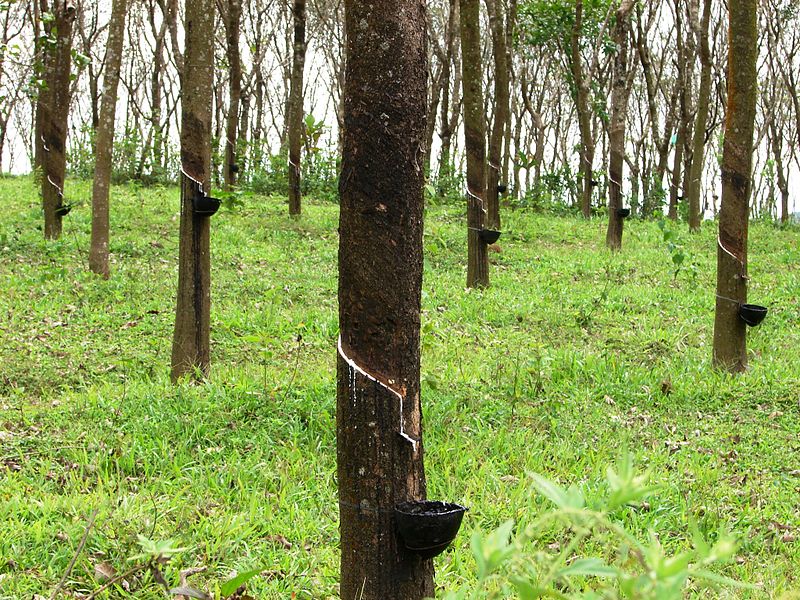
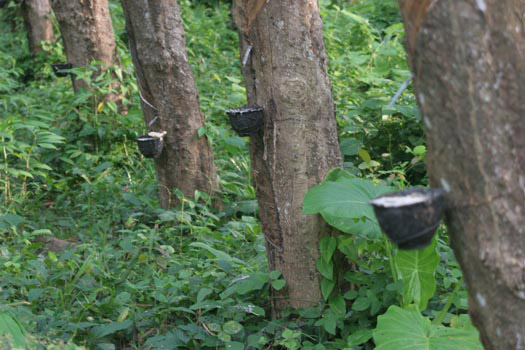
Once the trees are 5 to 6 years old, harvesting can begin: incisions are made orthogonally to the latex vessels, just deep enough to tap the vessels without harming the tree's growth, and the sap is collected in small buckets. This process is known as rubber tapping. Older trees yield more latex.
The Para rubber tree initially grew only in the Amazon Rainforest. Increasing demand and the discovery of the vulcanization procedure in 1839 led to the rubber boom in that region, enriching the cities of Belem and Manaus.
Thank you for visiting our Rubber Tree Pictures, please come back soon for some more great tree pictures!

Impressive Tree Pictures
Collection of Impressive Tree Images
Trees: Recent Tree Photos, Pics & Images |
||
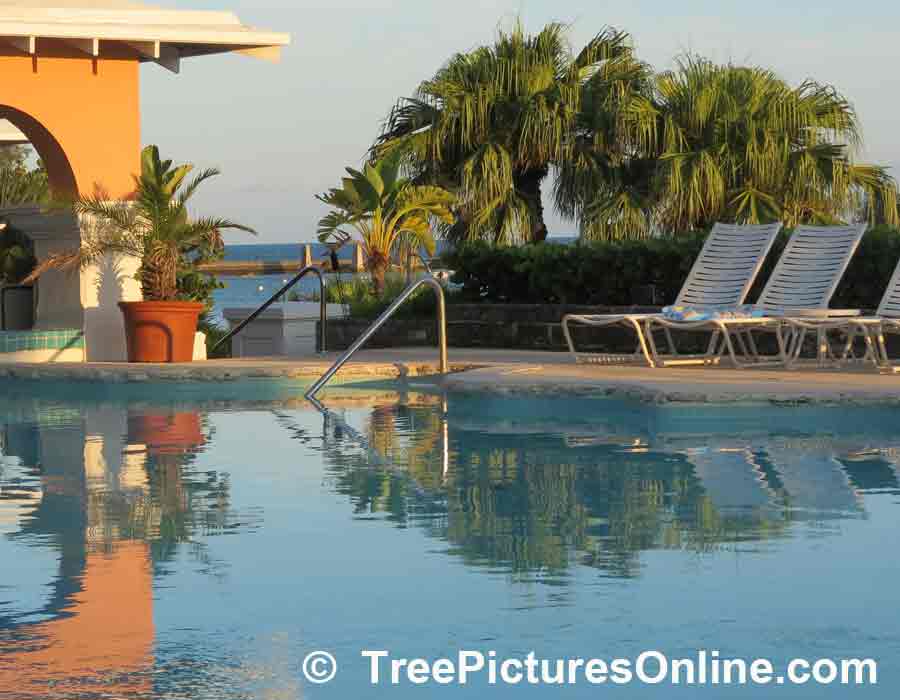 Palm Tree Pictures |
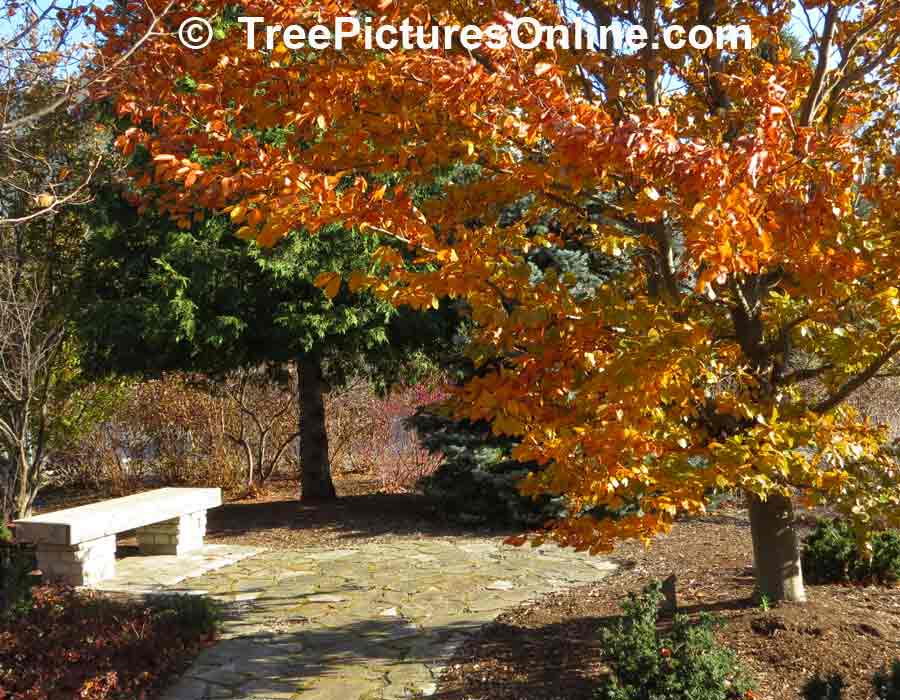 Beech Trees |
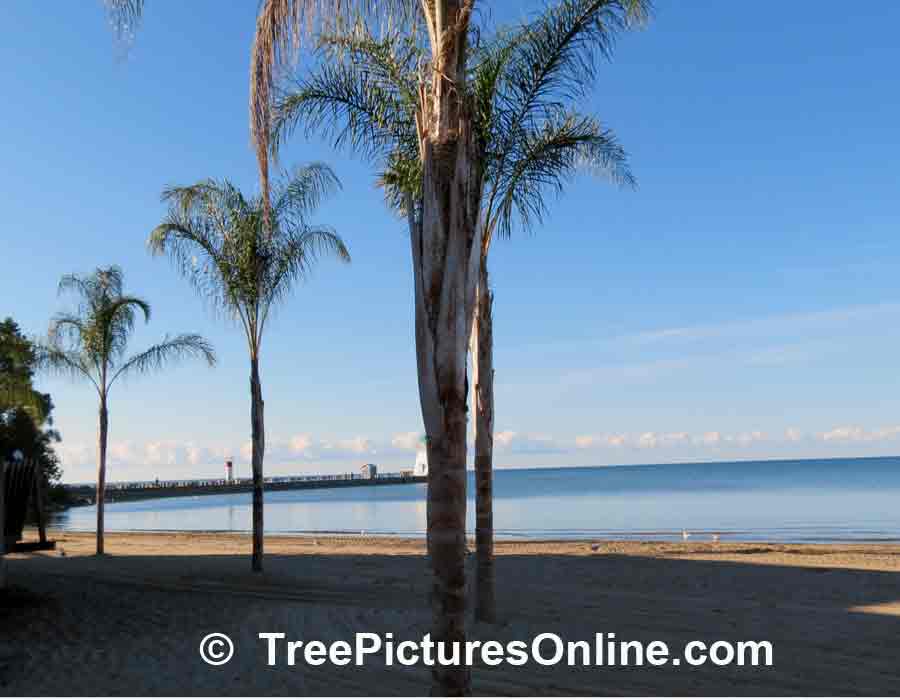 Palm Trees |
 Oak Tree Gallery |
 Christmas Trees |
 Maple Trees |
 Apple Tree Photo Gallery |
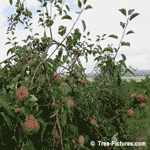 Apple Tree Images |
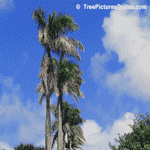 Palm Trees Gallery |
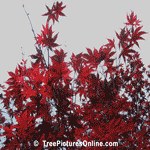 Japanese Maple Trees |
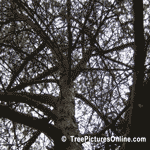 Pine Tree Gallery |
 Willow Trees Category |
Tree wallpaper images can make beautiful backgrounds on your computer`s desktop. See our tree wallpaper photographs link in the left tree categories.
Thank you for visiting our Tree Pictures at TreePicture Online.com, please come back soon for more great tree photos!
Pictures Sites
Fireplace Pictures -
Tree Pictures -
Gazebo Pictures -
Symbols & Their Meanings
Resume Samples -
Church Pictures -
Manufactured Home Pictures
Natural Log Siding -
Shadow Puppets -
Caribbean Islands
Play Touch Games -
Waterfall Pictures
Make Hot Pictures - Job Application Forms
