


Lemon Tree Pictures
Lemon Tree Welcome
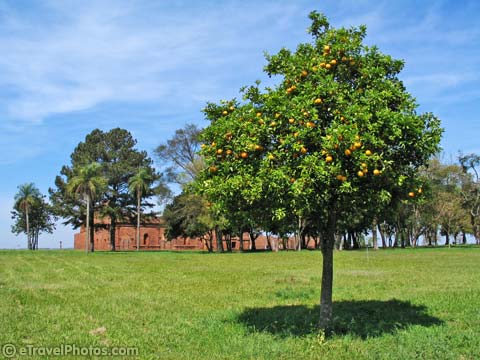
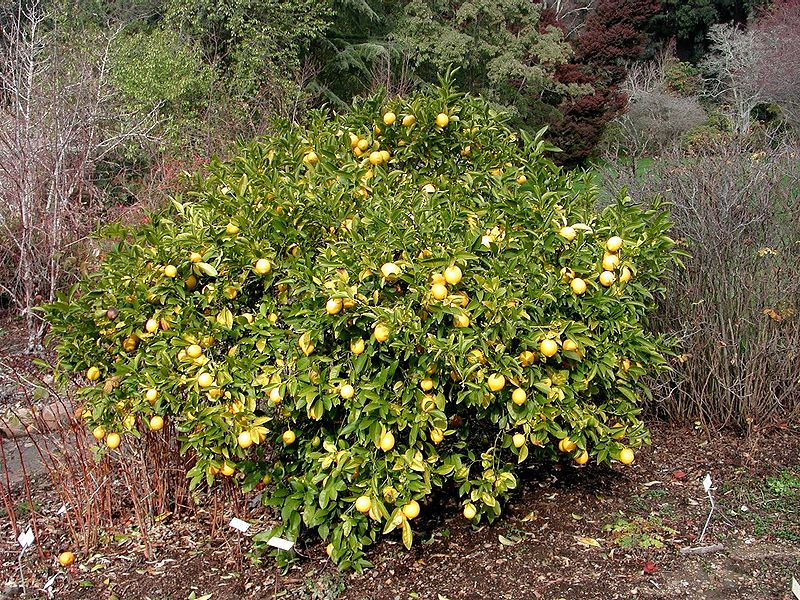
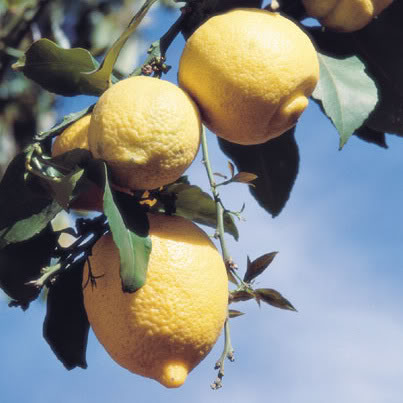
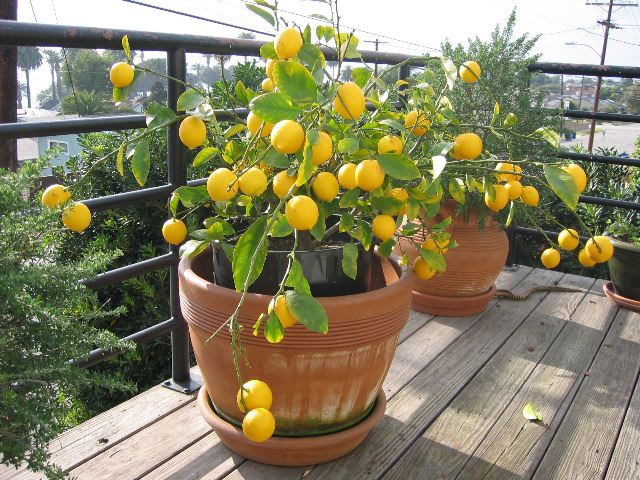
In the Lemon Tree photo gallery you will find lots of nice pictures of lemon trees.
Lemon Tree Images
To view a lemon tree photo in full size, just click on the lemon tree image.
Lemon Tree Facts
Below the Lemon Tree Photo Gallery you will find a lot of wonderful facts on lemon trees, planting information and more about the lemon tree.
These useful lemon facts can help you to learn more about the lemon tree species and it's fruit..
The Tree Galleries listed on the left gives you facts about that specific tree type and lots of great pictures of that tree species. Enjoy these pictures of lemon trees.
Lemon Tree Pictures
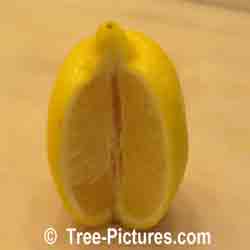 Sliced Lemon |
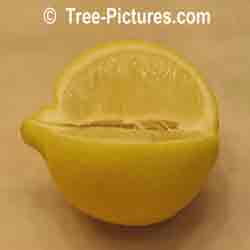 Lemon Tree Fruit |
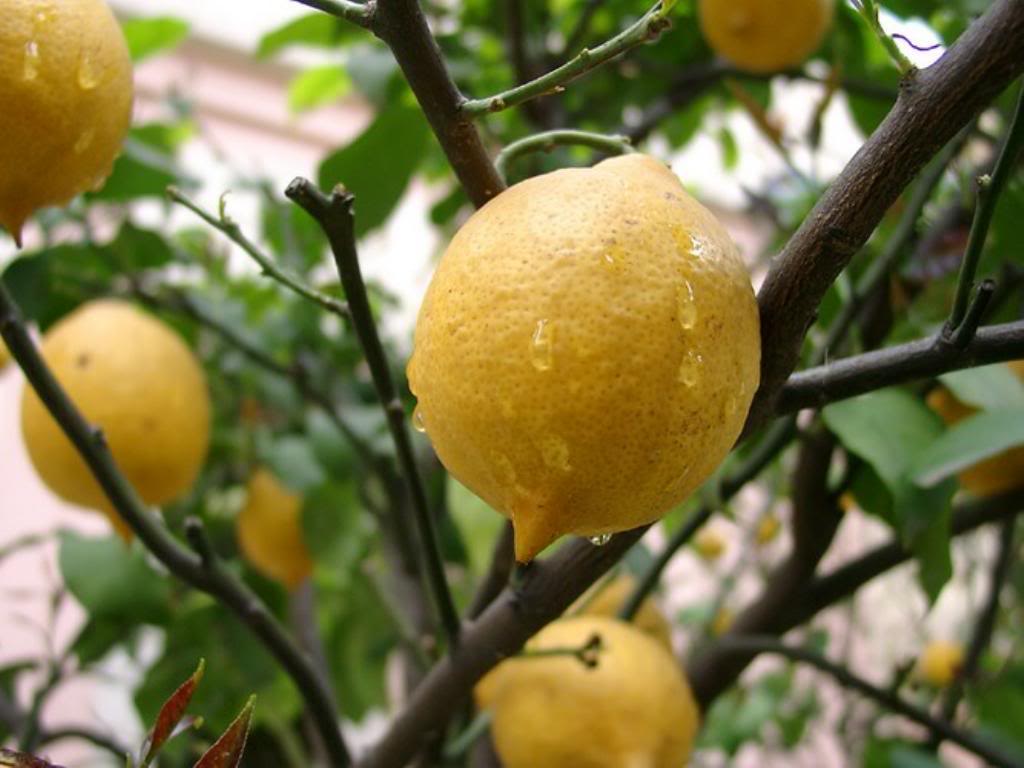 Lemon Fruit |
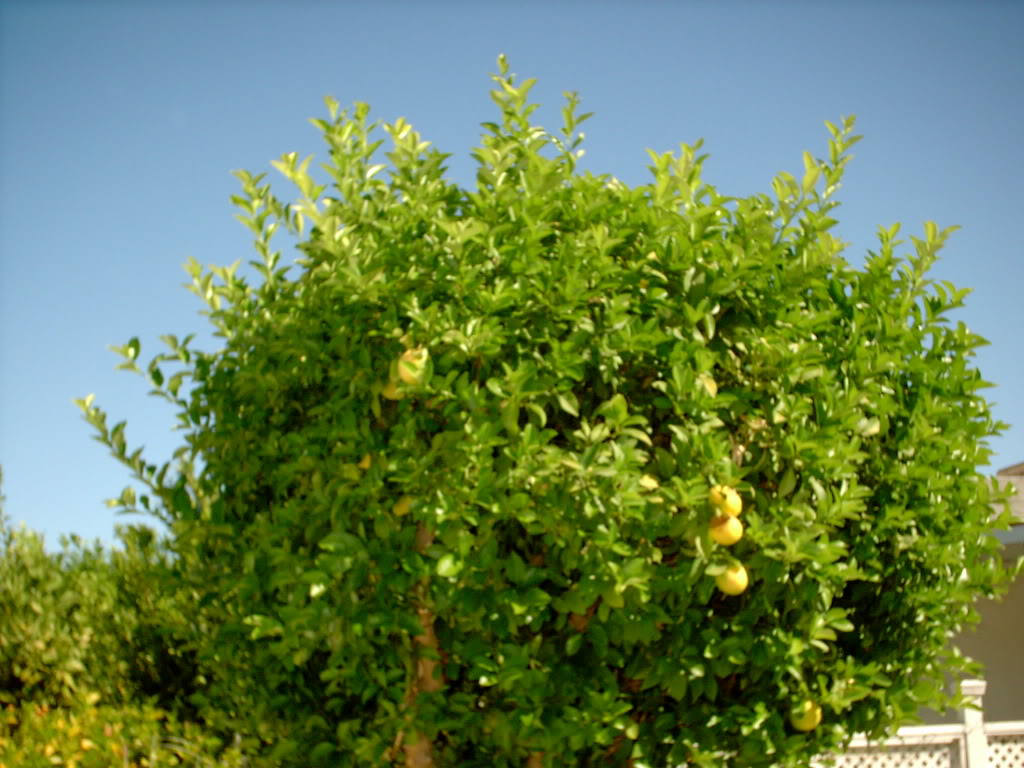 Citrus Lemon Tree |
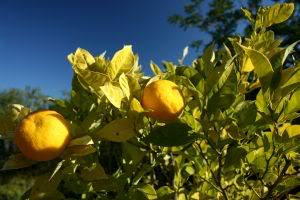 Lemons |
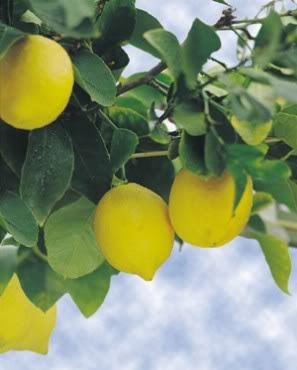 Lemon Tree Fruit |
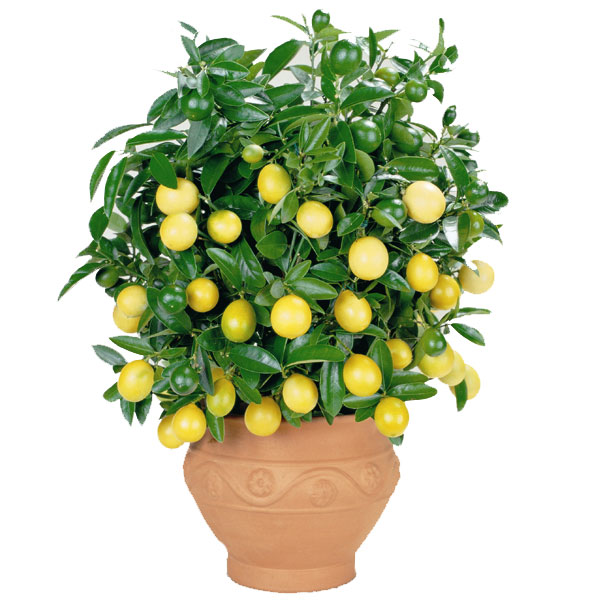 Potted Lemon Tree |
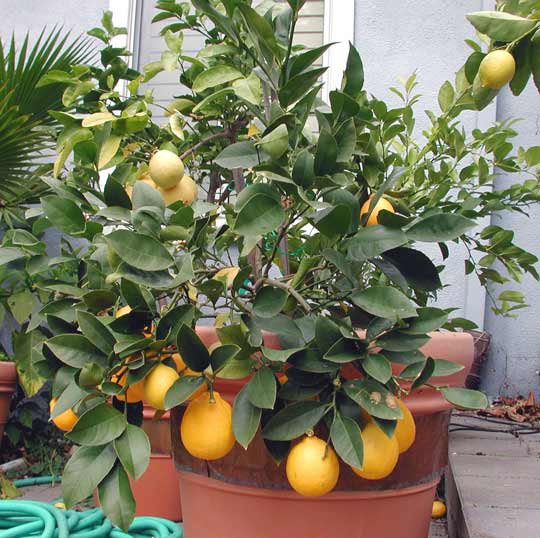 Lemon Tree |
 Lemon Tree Branches |
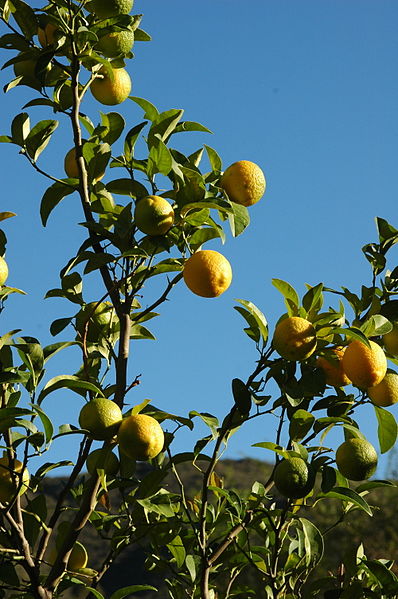
Lemons On Tree |
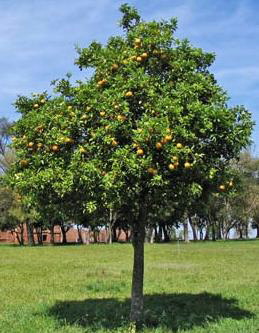 Lemon Tree Picture |
 |
 |
 |
 |
 |
 |
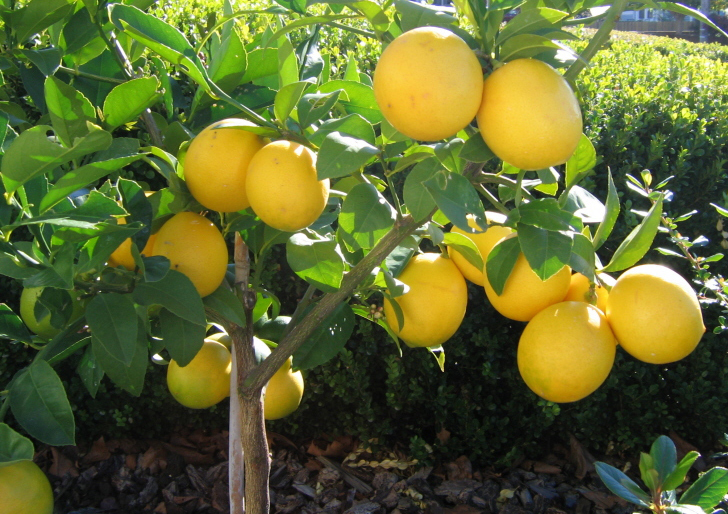 |
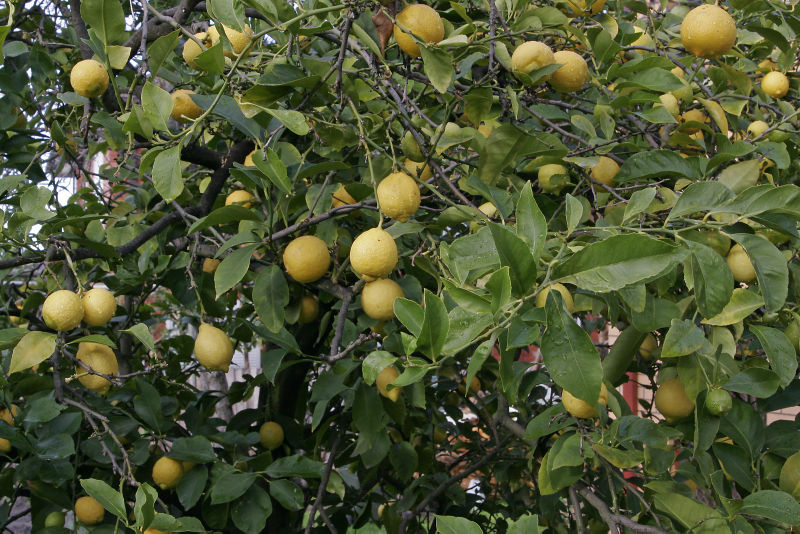 |
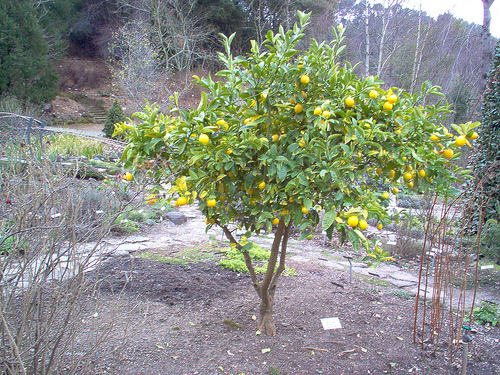 |
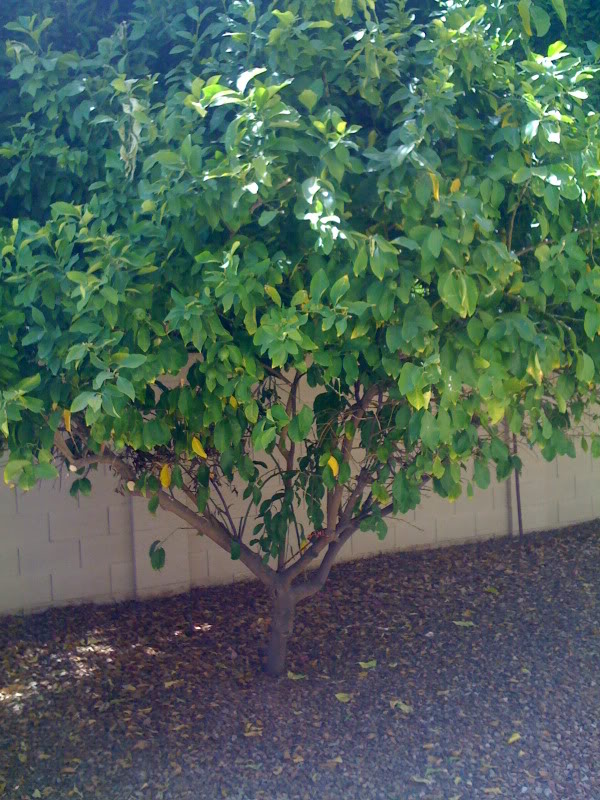 |
Lemon Trees, Information & Facts on the Lemon Tree
Lemon Tree Trivia
The flowers of the lemon tree are sweet but the fruit is sour!
Lemon Trees flower and produce fruit all year round.
Here is some general information on the lemon tree.
Lemon Tree is both a small evergreen tree (Citrus - limon, often given as C. limon) native to Asia, and the tree's oval yellow fruit. The fruit is used for culinary and nonculinary purposes throughout the world - primarily for its juice, though the pulp and rind (zest) are also used, mainly in cooking and baking.
Lemon juice is about 5% to 6% (approximately 0.3 M) citric acid, which gives lemons a sour taste, and a pH of 2 to 3. This makes lemon juice an inexpensive, readily available acid for use in educational science experiments. Many lemon-flavored drinks and candies are available, including lemonade and sherbet lemons. The distinctive sour taste of lemon juice makes it a key ingredient in many dishes across the world.
Lemon Trees exact origin has remained a mystery, though it is widely presumed that lemons first grew in India, northern Burma, and China. In South and South East Asia, it was known for its antiseptic properties and it was used as an antidote for various poisons. Lemons entered Europe (near southern Italy) no later than the 1st century AD, during the time of Ancient Rome. However, they were not widely cultivated. It was later introduced to Persia and then to Iraq and Egypt around AD 700.
The lemon tree was first recorded in literature in a 10th century Arabic treatise on farming, and was also used as an ornamental plant in early Islamic gardens. It was distributed widely throughout the Arab world and the Mediterranean region between AD 1000 and AD 1150. The genetic origin of the lemon, however, was reported to be hybrid between sour orange and citron.
The average lemon contains approximately 3 tablespoons of juice. Allowing lemons to come to room temperature before squeezing (or heating briefly in a microwave) makes the juice easier to extract. Lemons left unrefrigerated for long periods of time are susceptible to mold.
Lemon juice, rind, and zest are used in a wide variety of culinary applications:
Lemon juice is used to make lemonade, soft drinks, and marinades for both fish, where its acid neutralizes amines in fish by converting them into nonvolatile ammonium salts, and meat, where the acid partially hydrolyzes tough collagen fibers, tenderizing the meat, but the low pH denatures the proteins, causing them to dry out when cooked.
Lemon juice is also used as a short-term preservative on certain foods that tend to oxidize and turn brown after being sliced, such as apples, bananas and avocados, where its acid denatures the enzymes which cause browning and degradation. Lemon juice and rind are used to make marmalade and lemon liqueur.
Lemon slices and lemon rind are used a garnish for both food and drinks.
Lemon zest, the grated outer rind of the fruit, is used to add flavor to baked goods, puddings, rice and other dishes.
Pickled lemons are a Moroccan delicacy.
Lemons were the primary commercial source of citric acid prior to the development of fermentation-based processes.
A halved lemon is used as a finger moistener for those counting large amounts of bills, such as tellers and cashiers.
The peel oil is used as a wood cleaner and polish, where the solvent property of d-limonene is employed to dissolve old wax, fingerprints, and grime.
A halved lemon dipped in salt or baking powder can be used to brighten copper cookware. The acid dissolves the tarnish and the abrasives assist the cleaning.
As a sanitary kitchen deodorizer the juice can deodorize, remove grease, bleach stains, and disinfect; when mixed with baking soda, it can remove stains from plastic food storage containers.
Lemon Tree Varieties: List of Different Types of Lemon Tree
- Bonnie Brae Lemon Tree
- Bush Lemon Tree
- Eureka Lemon Tree
- Femminello St. Teresa Lemon Tree
- Fino Lemon Tree
- Jhambiri Lemon Tree
- Libson Lemon Tree
- Meyer Lemon Tree
- Ponderosa Lemon Tree
- Variegated Pink Lemon Tree
- Villafranca Lemon Tree
- Verna Lemon Tree
- Yen Ben Lemon Tree
Thank you for visiting Lemon Tree Pictures at TreePicturesOnline.com, please come back soon for more great tree pictures!
Impressive Tree Pictures
Collection of Impressive Tree Images
Trees: Recent Tree Photos, Pics & Images |
||
 Palm Tree Pictures |
 Beech Trees |
 Palm Trees |
 Oak Tree Gallery |
 Christmas Trees |
 Maple Trees |
 Apple Tree Photo Gallery |
 Apple Tree Images |
 Palm Trees Gallery |
 Japanese Maple Trees |
 Pine Tree Gallery |
 Willow Trees Category |
Tree Facts, Trivia
United States land is covered by over 30 per cent with trees and forests
Tree wallpaper images can make beautiful backgrounds on your computer`s desktop. See our tree wallpaper photographs link in the left tree categories.
Thank you for visiting our Tree Pictures at TreePicture Online.com, please come back soon for more great tree photos!

Pictures Sites
Fireplace Pictures -
Tree Pictures -
Gazebo Pictures -
Symbols & Their Meanings
Resume Samples -
Church Pictures -
Manufactured Home Pictures
Natural Log Siding -
Shadow Puppets -
Caribbean Islands
Play Touch Games -
Waterfall Pictures
Make Hot Pictures - Job Application Forms
