


Cashew Tree Pictures
Cashew Tree Welcome
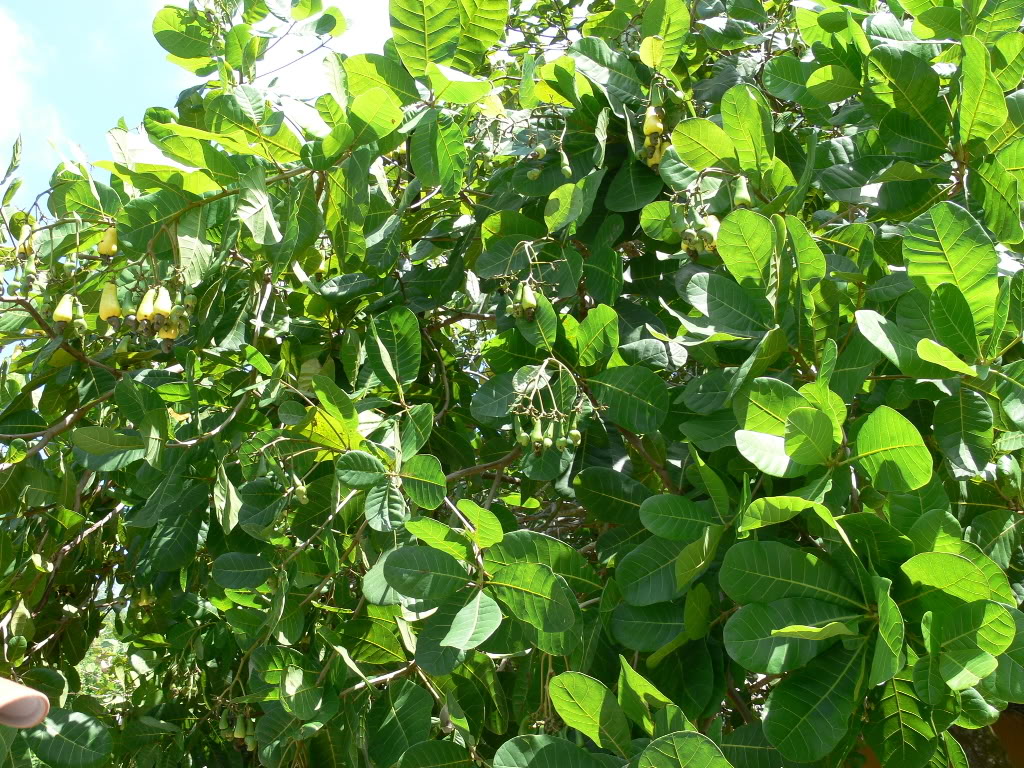
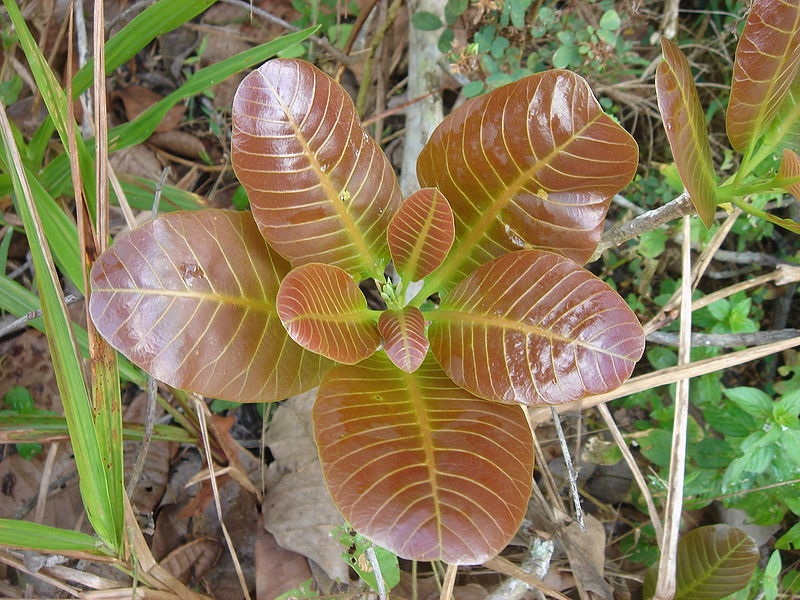
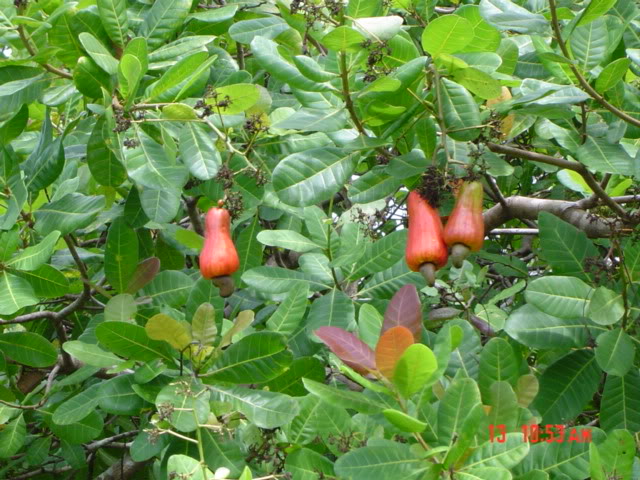
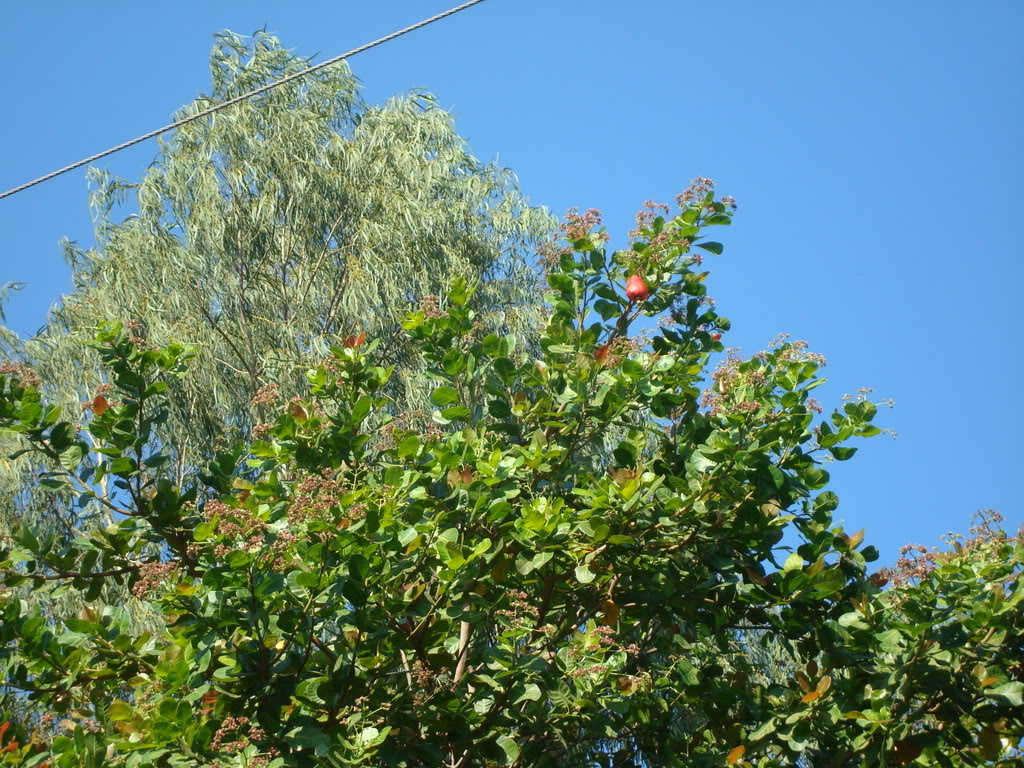
Cashew Tree Photo Gallery contains lots of nice pictures of cashew trees.
You will find a lot of wonderful cashew tree information, including facts about the cashew tree types, cashew apple, and cashew nut information.
This is valuable and useful information that can help you to learn more about the cashew tree.
Cashew Tree Images
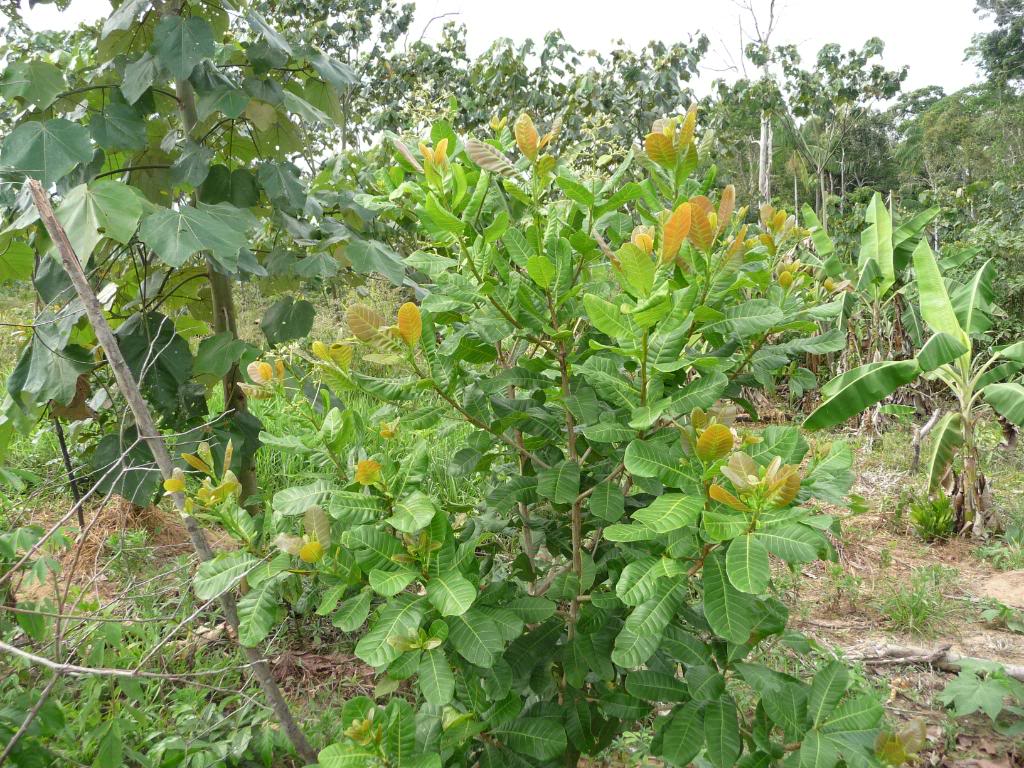
To view each cashew tree picture in full size just click on the cashew image to enlarge the cashew tree photo.
Enjoy these pictures of cashew trees.
Cashew Tree Pictures
 |
 |
 |
 |
 |
 |
 |
 |
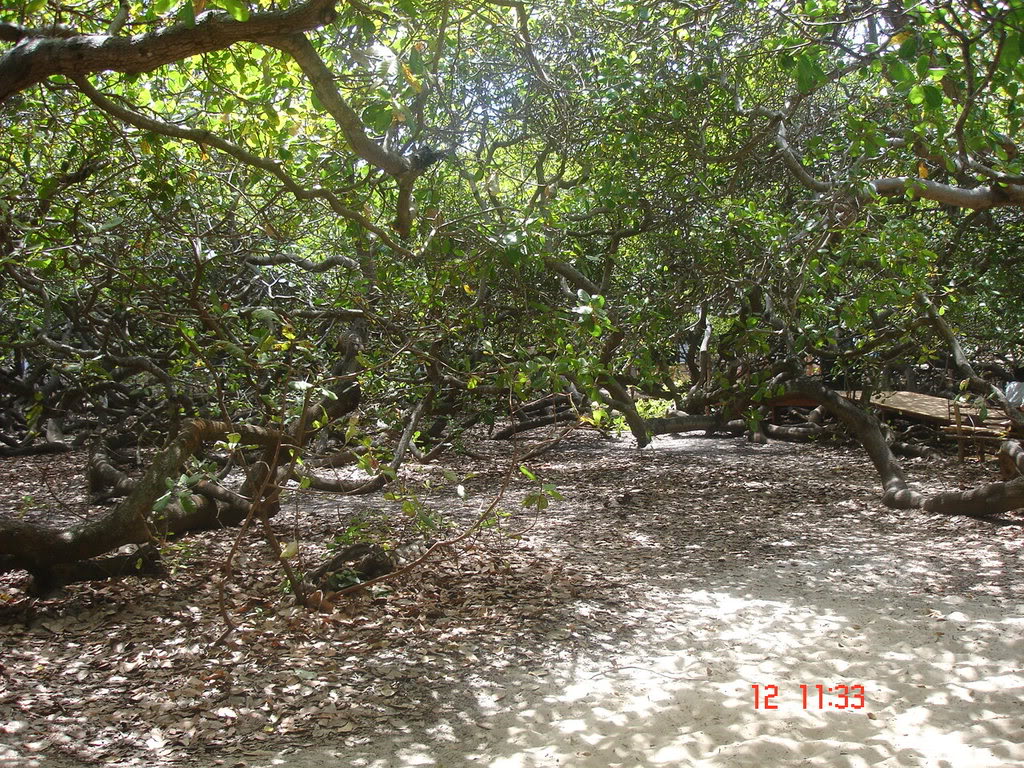
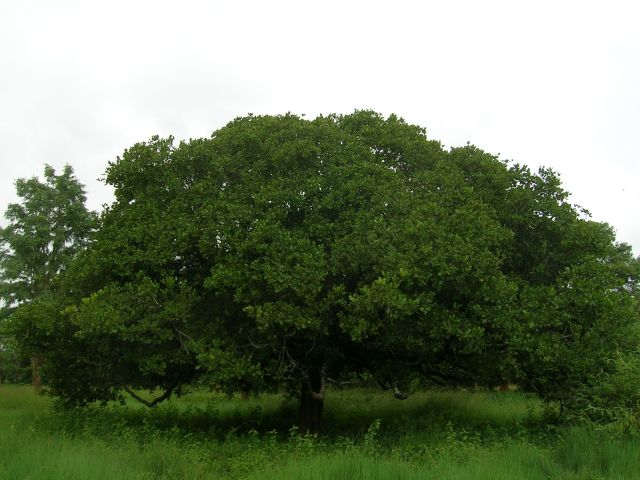
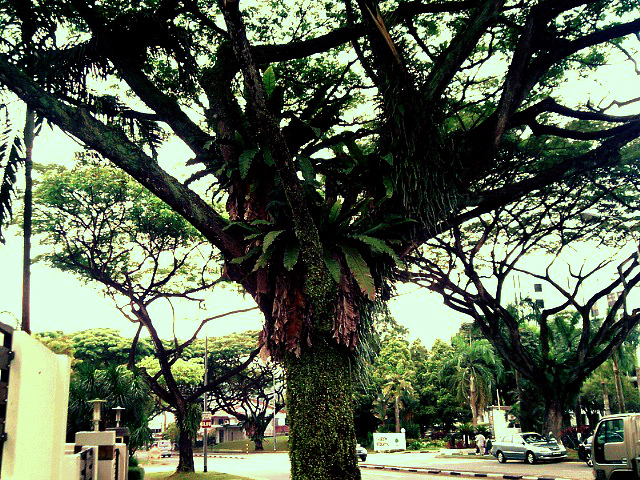
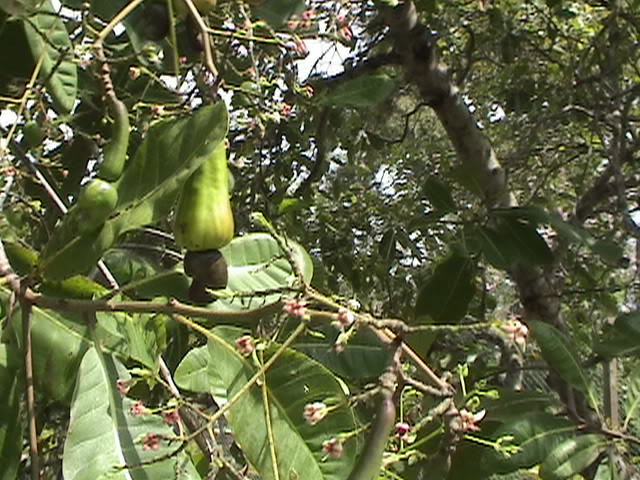
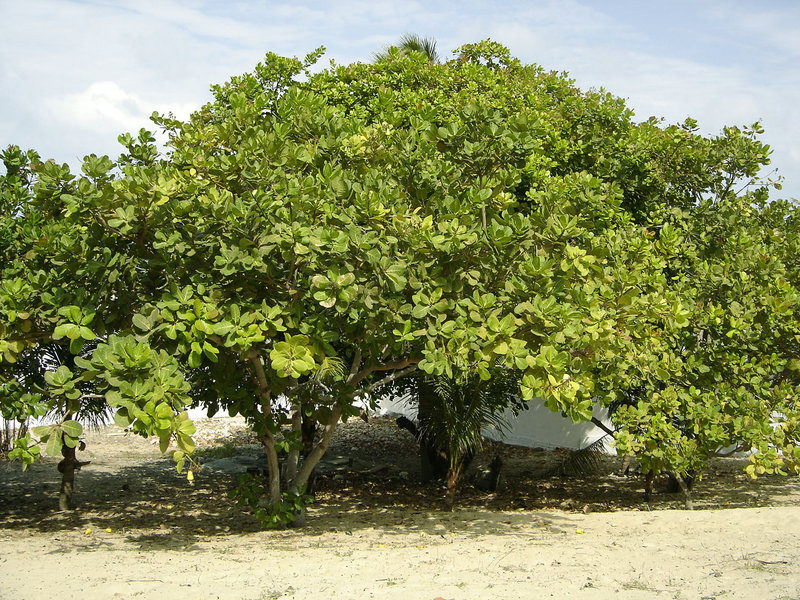
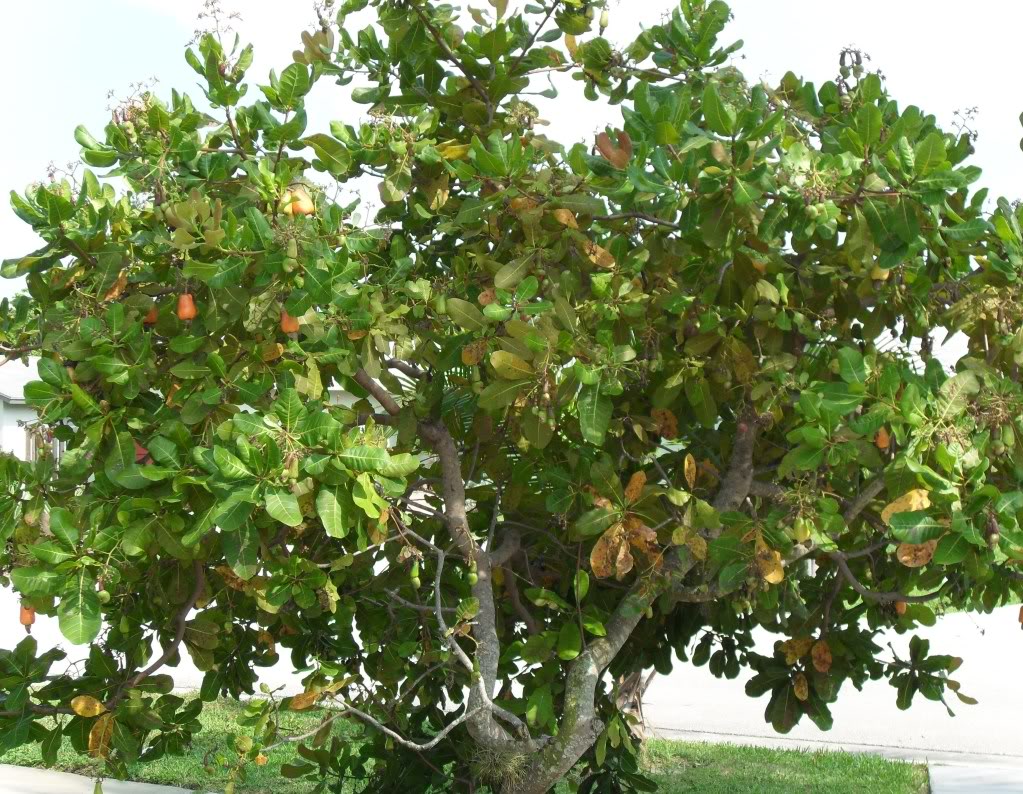
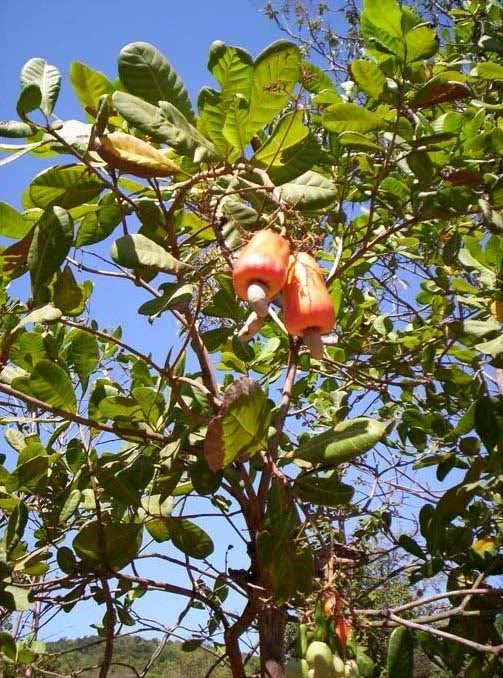
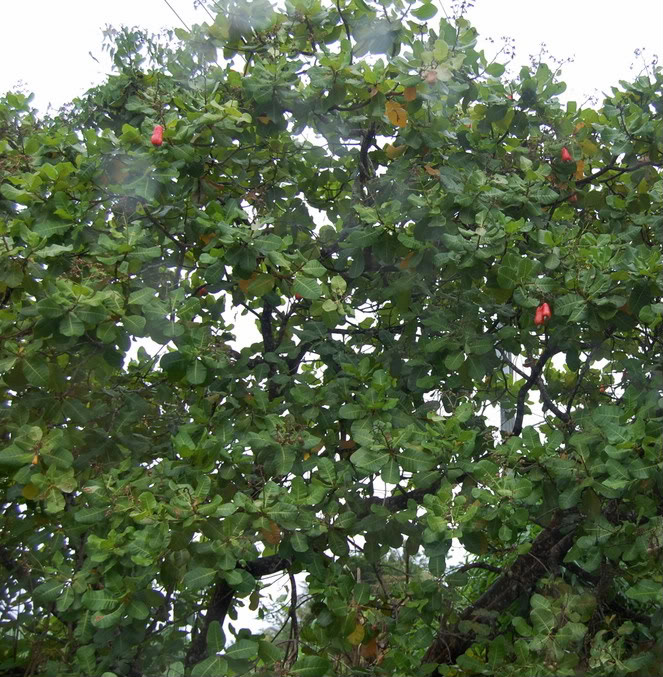
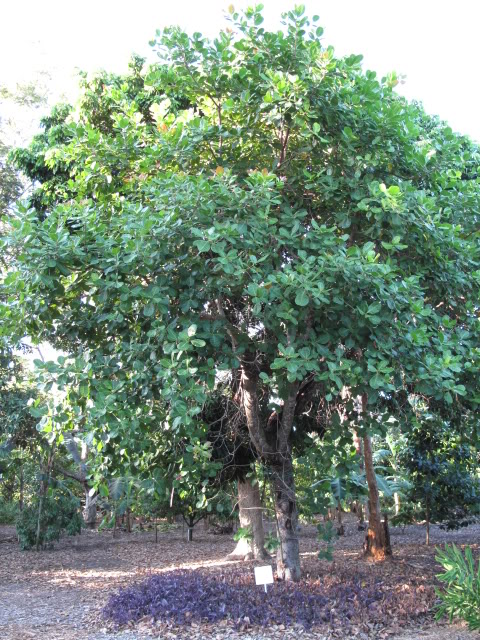
Cashew Scientific Name: Cinnamomum Zeylanicum
Cashew Trees, Facts and Info on the Cashew Tree
Here is some detailed information on the cashew tree.
The cashew is a tree in the family Anacardiaceae. Its English name derives from the Portuguese name for the fruit of the cashew tree, caju, which in turn derives from the indigenous Tupi name, acaju. It is now widely grown in tropical climates for its cashew nuts and cashew apples.
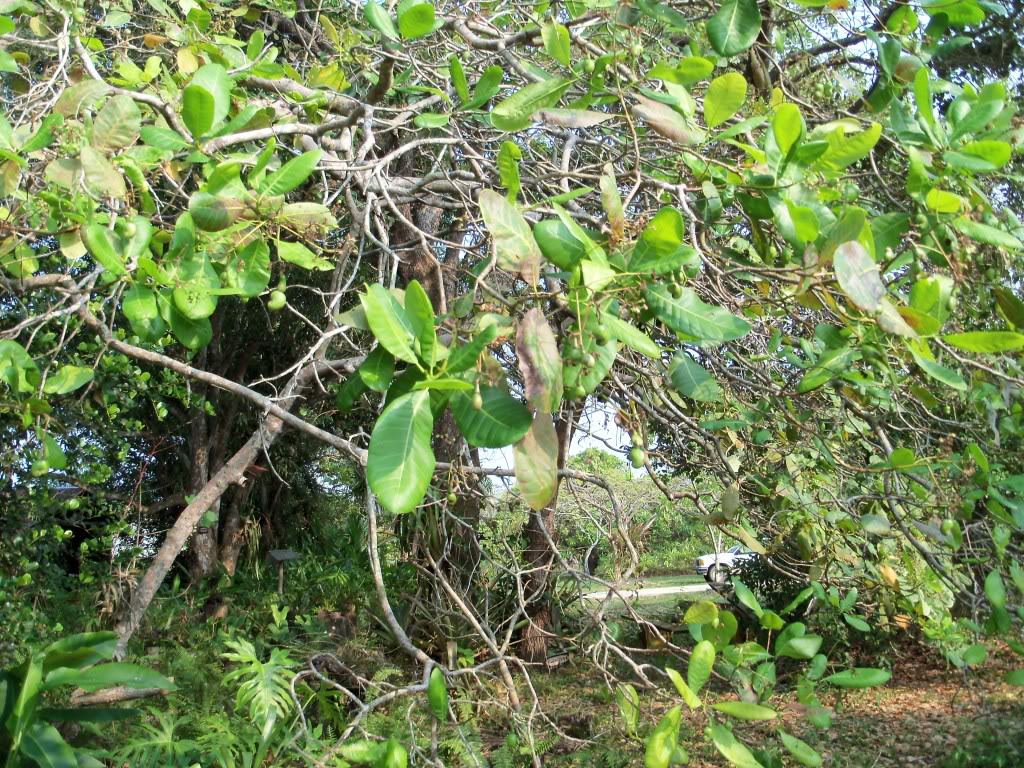
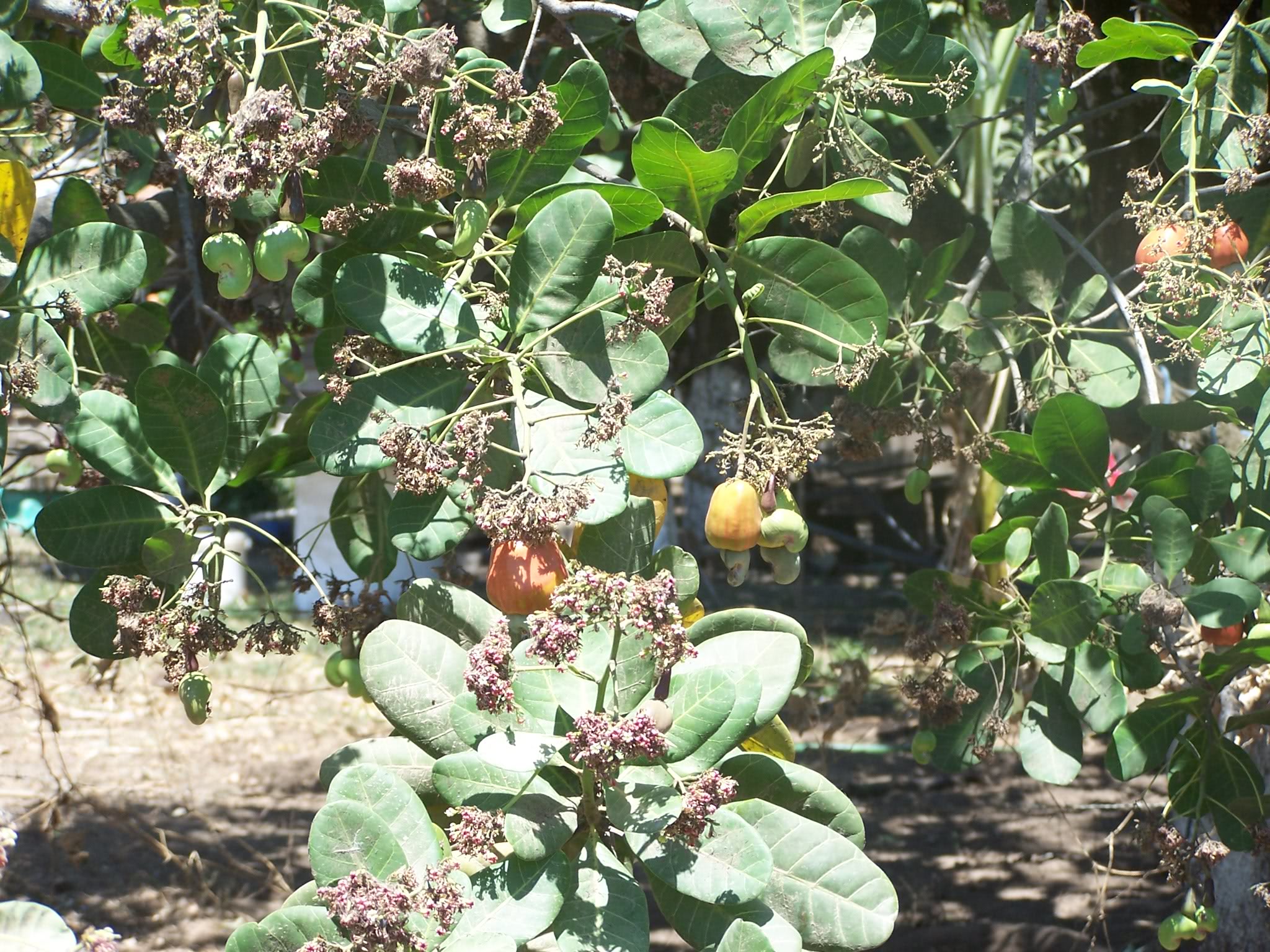
The tree is small and evergreen, growing to 10 to 12m (32 ft) tall, with a short, often irregularly shaped trunk. The leaves are spirally arranged, leathery textured, elliptic to obovate, 4 to 22 cm long and 2 to 15 cm broad, with a smooth margin. The flowers are produced in a panicle or corymb up to 26 cm long, each flower small, pale green at first then turning reddish, with five slender, acute petals 7 to 15 mm long.
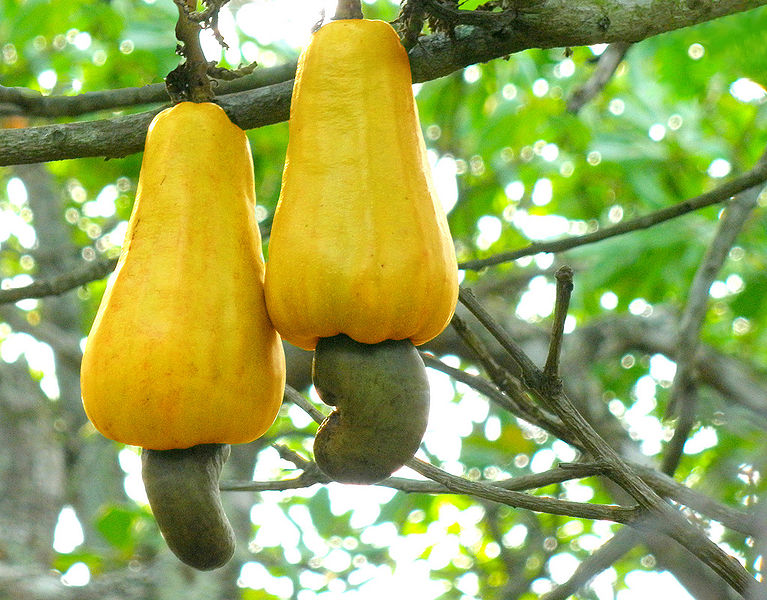
The fruit of the cashew tree is an accessory fruit (sometimes called a pseudocarp or false fruit). What appears to be the fruit is an oval or pear-shaped structure that develops from the pedicel and the receptacle of the cashew flower. Called the cashew apple, better known in Central America as "maranon", it ripens into a yellow and/or red structure about 5 to 11 cm long. It is edible, and has a strong "sweet" smell and a sweet taste. The pulp of the cashew apple is very juicy, but the skin is fragile, making it unsuitable for transport.
The true fruit of the cashew tree is a kidney or boxing-glove shaped drupe that grows at the end of the cashew apple. The drupe develops first on the tree, and then the pedicel expands into the cashew apple. Within the true fruit is a single seed, the cashew nut. Although a nut in the culinary sense, in the botanical sense the nut of the cashew is a seed. The seed is surrounded by a double shell containing an allergenic phenolic resin, anacardic acid, a potent skin irritant chemically related to the more well known allergenic oil urushiol which is also a toxin found in the related poison ivy.
The cashew nut is a popular snack, and its rich flavor means that it is often eaten on its own, lightly salted or sugared. Cashew nuts are sold covered in chocolate, but less often than the cheaper peanuts and almonds.
Cashew nuts also factor in Thai cuisine and Chinese cuisine, generally in whole form, and in Indian cuisine, often ground into sauces such as shahi korma, and also used as garnish in Indian sweets and desserts.
The cashew nut can also be harvested in its tender form, when the shell has not hardened and is green in color. The shell is soft at this stage, and can be cut into two with a knife. The kernel is extracted (it is still corrosive at this stage, so gloves may be required) and soaked in turmeric water to get rid of the corrosive material before use. This is mostly found in Kerala cuisine, typically in the avial, a dish that contains several vegetables, grated coconut, turmeric and green chilies.
In Goa, India, the cashew apple (the accessory fruit) is mashed, the juice is extracted and kept for fermentation for 2 to 3 days. Fermented juice then undergoes a double distillation process. The resulting beverage is called feni. In the southern region of Mtwara, Tanzania, the cashew apple (bibo in Swahili) is dried and saved. Later it is reconstituted with water and fermented, then distilled to make a strong liquor often referred to by the generic name, gongo.
Cashews: Comments, Trivia, Reference
Cashews Nuts are a premium party treat over the cheaper everyday peanut. Whole cashews are typically priced higher than broken pieces. Put out a tray of cashews and you'll find the whole cashews go first. Salted roasted cashews have a nice crunch in the mouth with a satisfying salty taste.
Cashews are the seeds that grow on the outside of the fleshy fruit of the cashew tree. Watch this video to see more about the cashew tree
Thank you for visiting Cashew Tree Pictures at Tree Pictures Online.com, please come back soon for more great tree pictures!
Impressive Tree Pictures
Collection of Impressive Tree Images
Trees: Recent Tree Photos, Pics & Images |
||
 Palm Tree Pictures |
 Beech Trees |
 Palm Trees |
 Oak Tree Gallery |
 Christmas Trees |
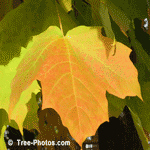 Maple Trees |
 Apple Tree Photo Gallery |
 Apple Tree Images |
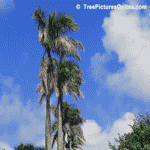 Palm Trees Gallery |
 Japanese Maple Trees |
 Pine Tree Gallery |
 Willow Trees Category |
 |
||
|
Maple Tree Leaves: More images of Maples? Please follow to the Maple Tree Gallery. Full size the photo, just click on maple leaf image. |
||
 |
||
Palm Tree Landscape: More tropical images of Palms? Please follow to the Palm Tree Gallery. Full size the photo, just click on beach tree image.
TweetUnited States land is covered by over 30 per cent with trees and forests
Tree Picture Finds, Stumbled on these Tree Images
We add new tree pictures as they come in to us, on a weekly & monthly basis. We hope you enjoy all our tree photos and information on the different types of trees and species.
Tree Pictures
Tree Images Video; a unique collection of tree photos from the start of blue bells under the beech trees, different oak trees images ... along with various pine tree photos. An artistically assembled tree video together with sayings and poems celebrating the tree. Nicely done tree video images with wonderful piano tunes song called Eclipse by Suzanne Ciani..
Bottle Tree Pictures
Bottle Tree Images, a collection of trees artistically decorated with colorful glass bottles. Not to be confused with the real and unusual Bottle Tree
Sequoia Tree Pictures
Sequoia Tree Images, a great collection of the large Titan Sequoias tree. The worlds second biggest tree, the "President" is over 3,200 years old located in Sequoia National Park, California Nevada USA Region. More Sequoia Tree facts and pictures can be found at our TreePicturesOnline Sequoia Trees Photos page.
Tree Photos of Trees from Iceland
Tree Pictures and images from Iceland, interesting photos of various trees in summer, autumn and winter. More Winter Tree pictures can be found at impressive Winter Tree Pictures page.
Tree wallpaper images can make beautiful backgrounds on your computer`s desktop. See our tree wallpaper photographs link in the left tree categories.
Thank you for visiting our Tree Pictures at TreePicture Online.com, please come back soon for more great tree photos!

Pictures Sites
Fireplace Pictures -
Tree Pictures -
Gazebo Pictures -
Symbols & Their Meanings
Resume Samples -
Church Pictures -
Manufactured Home Pictures
Natural Log Siding -
Shadow Puppets -
Caribbean Islands
Play Touch Games -
Waterfall Pictures
Make Hot Pictures - Job Application Forms
