


Ebony Tree Pictures
Ebony Tree Pictures Welcome
In the Ebony Tree Pictures category you will find lots of nice pictures of ebony trees.
Ebony is a high quality hardwood wood with an unusually dense black wood grain.
The wood of the Ebony Tree is so dense of that it cannot float on the surface of water.
Ebony Trees
You will also find a lot of wonderful information on ebony trees, including information about the ebony tree species, planting information, and much more.
This is valuable and useful information that can help you to learn more about the ebony tree.
Ebony Tree Pictures
To view each ebony tree picture in full size just click on the tree pictures.
Enjoy these pictures of the ebony tree.
Ebony Tree Pictures Gallery
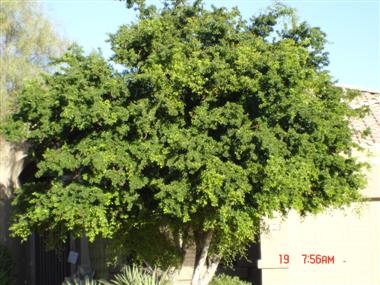 |
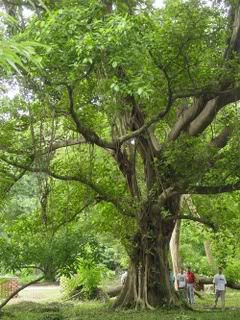
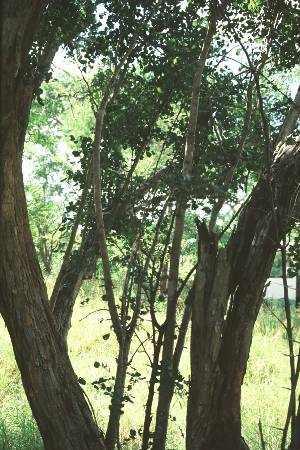
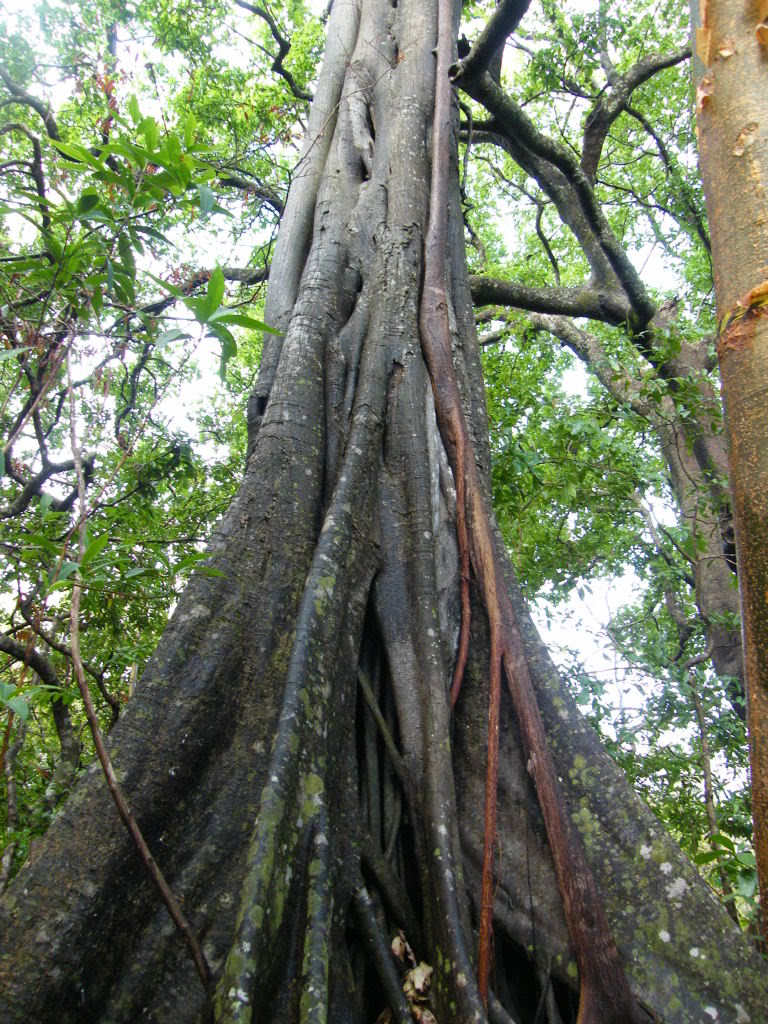
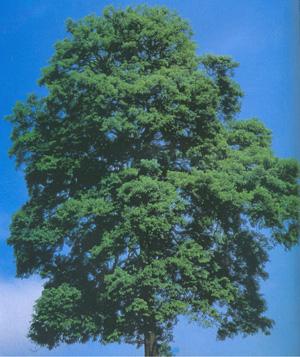
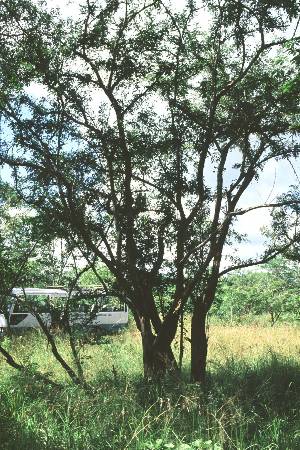
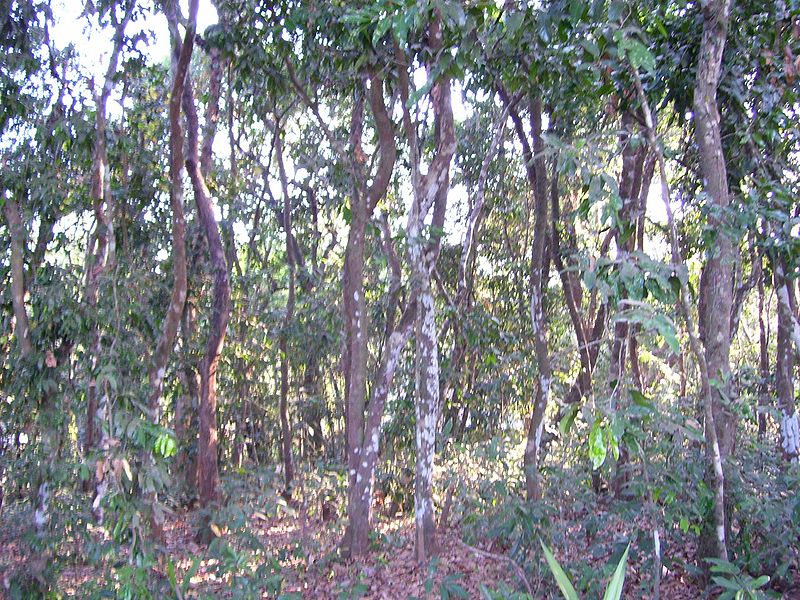
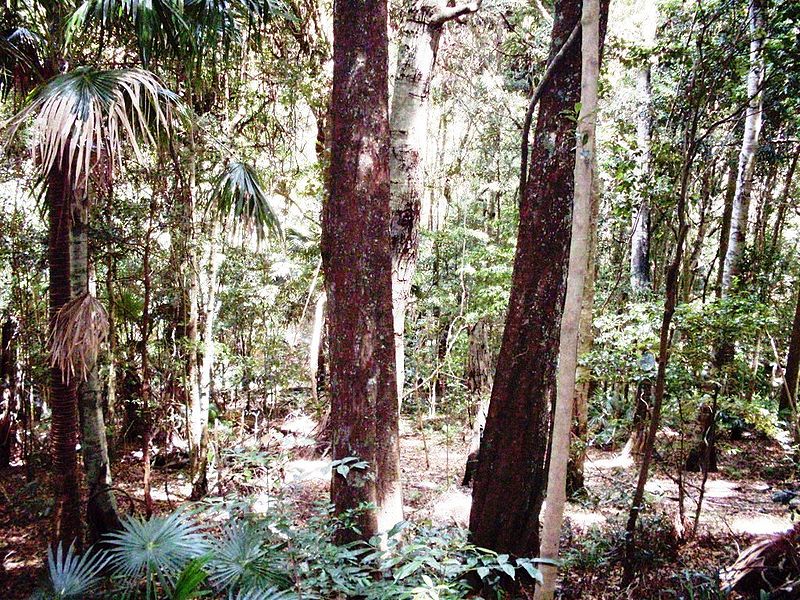
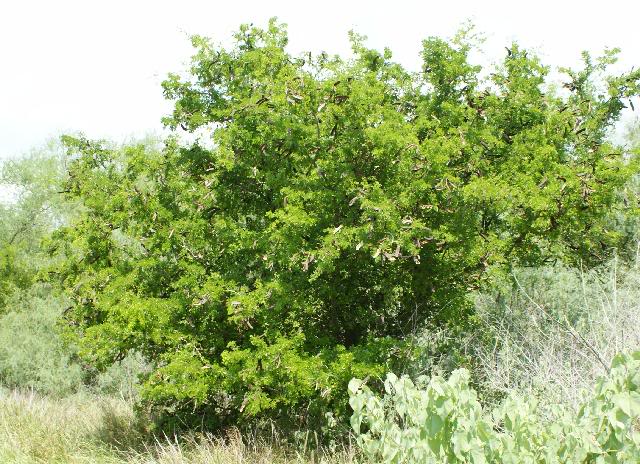
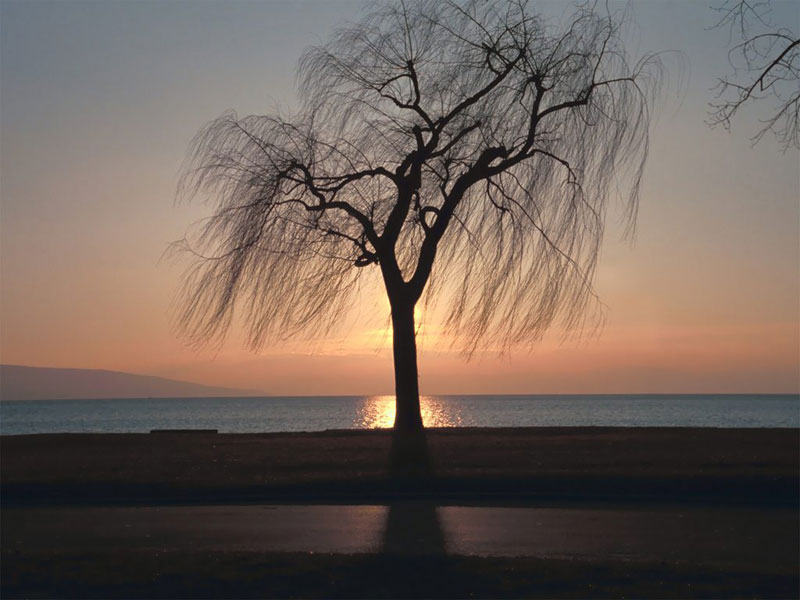
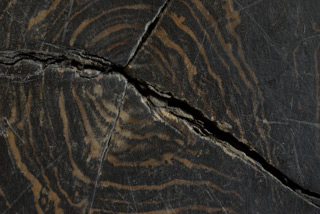
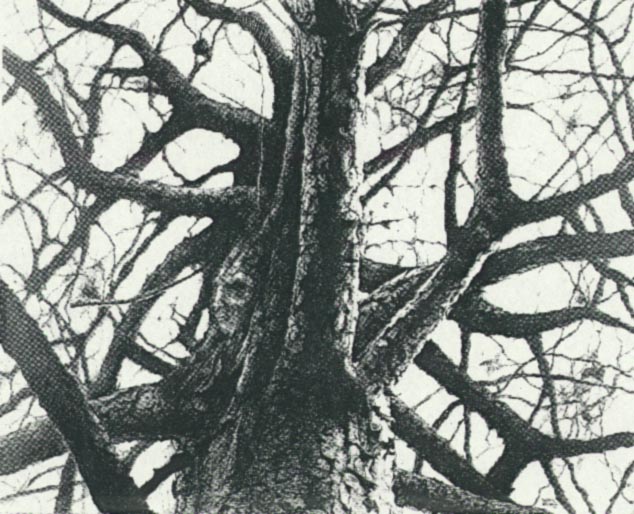
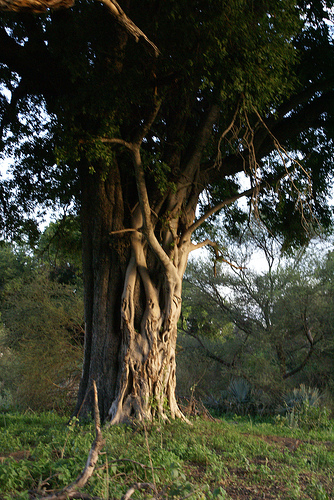
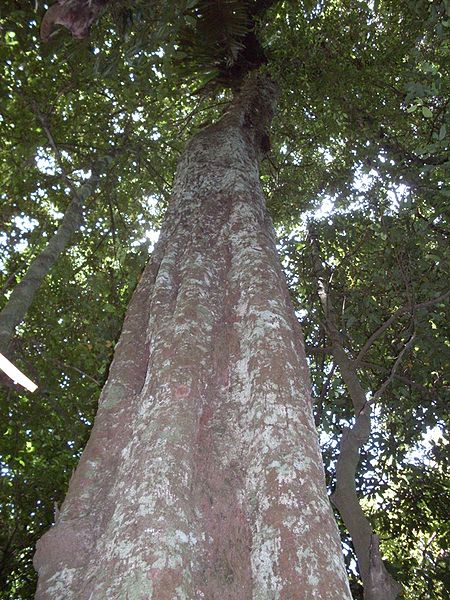
Ebony Tree Scientific Name: Diospyros
Ebony Tree Common Names:
Gaboon Ebony, African Ebony, Nigerian Ebony, Cameroon Ebony
Types of Ebony Trees: Different Ebony Tree Types
- American Ebony Tree, Diospyrus virginiana
- Black Ebony Tree
- Ceylon Ebony Tree, native to southern India and Sri Lanka
- Gabon Ebony Tree, native to western Africa
- Makassar Ebony Tree, native to Indonesia and prized for its luxuriant, multi-colored wood grain
- Malaysian Blackwood Tree
- Mun Ebony Tree
- Persimmon Ebony Tree, Diospyrus virginiana
- White Ebony Tree
Ebony Tree: Facts On Ebony Trees
Here is some detailed information on ebony trees.
Ebony is a general name for very dense black wood. In the strictest sense it is yielded by several species in the genus Diospyros, but other heavy, black (or dark colored) woods (from completely unrelated trees) are sometimes also called ebony. Some well-known species of ebony include Diospyros ebenum (Ceylon ebony), native to southern India and Sri Lanka, Diospyros crassiflora (Gaboon ebony), native to western Africa, and Diospyros celebica (Makassar ebony), native to Indonesia and prized for its luxuriant, multi-colored wood grain.
Ebony trees are generally small and slow growing and the demand for ebony is very high. Ebony is a high quality hardwood that is very strong and very black. Low supply and high demand means high prices! Many ebony trees appear on the endangered lists due to illegal harvesting.
Ebony has a long history of use, with carved pieces having been found in Ancient Egyptian tombs. The word "ebony" derives from the Ancient Egyptian hbny, via the Ancient Greek (ebenos), by way of Latin and Middle English.
By the end of the 16th century, fine cabinets for the luxury trade were made of ebony in Antwerp. The dense hardness lent itself to refined moldings framing finely detailed pictorial panels with carving in very low relief (bas-relief), usually of allegorical subjects, or scenes taken from classical or Christian history. Within a short time, such cabinets were also being made in Paris, where their makers became known as ebenistes, which remains the French term for a cabinetmaker.
Modern uses are largely restricted to small sizes, particularly in musical instrument making, including piano and harpsichord keys, violin, viola, guitar, and cello fingerboards, tail pieces, pegs and chinrests. Traditionally, black piano and harpsichord keys were ebony, and the black pieces in chess sets were made from ebony, with rare boxwood or ivory being used for the white pieces. Modern east Midlands-style lace-making bobbins, also being small, are often made of ebony and look particularly decorative when bound with brass or silver wire. Due to its strength, many handgun grips, and rifle fore-end tips, are made of ebony as well. Many plectrums, or guitar picks, are made from this black wood.
As a result of unsustainable harvesting, many species yielding ebony are now considered threatened. Africa in particular has had most of its indigenous ebony cut down illegally and as such it has become common for street traders to color lighter woods black with shoe polish in an effort to make a sale.
Feature Ebony Species: African Ebony
Ebony, African
Diospyrus crassiflora
Highly sought after wood prized for its dark heartwood. The African ebony is found in Cameroon, Ghana, Nigeria and Zaire. Ebony trees can survive hundreds of years if not harvested for its jet black heartwood. The leaves are simple, alternate, and oblong in shape. The tree produces small, fragrant clusters of white flowers in spring. The number of ebony trees in the wild is dropping due to excessive harvesting.
Type of Tree:
The African Ebony falls into the following type(s): Ornamental Trees, Shade Trees
Mature Height:
The African Ebony grows to be 65' - 98' feet in height.
Mature Spread:
The African Ebony has a wide multi-branched crown that spreads horizontally.
Growth Rate:
Black ebony is one of the slowest growing hardwood trees.
Sun:
The mahogany tree does well in full sun.
Soil:
The African Ebony prefers fertile, moist soil found in tropical rain forests.
Moisture:
Well drained. The tree is very drought sensitive.
Shape:
Mature tree crowns are horizontal in shape.
Leaves:
The leaves have a satin like texture and are oblong in shape
Flower Color:
Small, fragrant white flowers in spring.
Bloom Time:
Spring.
Fruit Description:
The fruit of the African Ebony is about the size of an apple, sweet and succulent. The fruit can be eaten fresh, dried or in the form of porridge. It is used in the manufacture of alcoholic beverages.
Additional Information: African Ebony
Attributes:
Description:
A medium sized, slow growing tree found in tropical rain forests. Ebony trees are evergreen and will grow to approximately 80 feet in height.
Wildlife Value:
The Ebony Tree is an important food source for wild animals. Elephants and rhinocerous eat the leaves, monkeys, baboons and warthogs like to eat the fruit of the ebony tree.
History/Lore/Use:
Ancient cultures used black ebony to make drinking goblets which were popular in Roman Times. Ebony is very valuable as an ornamental wood due to its fine texture which has a very smooth finish when polished. For this reason it has been used for knife handles, furniture inlays, art pieces and musical instruments. It is a slow burning wood that is used for cooking in Africa. The bark and sap of the tree have been shown to have antibacterial and antifungal properties and are used in traditional local medicine.
Ebony Wood
A cross section of the ebony tree trunk reveals a central core of dark brown heartwood which is dense and finely grained. In contrast, the outer layer of softwood is golden beige in color.
Ebony Tree Trivia
Unlike most other types of wood ebony cannot float on the surface of the water. It is so dense that it sinks to the bottom.
Pure black ebony only comes from trees that are older than 150 years.
Historically the black keys on a piano were made of ebony and the white keys were made of ivory.
Thank you for visiting our Ebony Tree Pictures at Tree Pictures Online.com, please come back soon for more great tree pictures!
Impressive Tree Pictures
Collection of Impressive Tree Images
Trees: Recent Tree Photos, Pics & Images |
||
 Palm Tree Pictures |
 Beech Trees |
 Palm Trees |
 Oak Tree Gallery |
 Christmas Trees |
 Maple Trees |
 Apple Tree Photo Gallery |
 Apple Tree Images |
 Palm Trees Gallery |
 Japanese Maple Trees |
 Pine Tree Gallery |
 Willow Trees Category |
Tree wallpaper images can make beautiful backgrounds on your computer`s desktop. See our tree wallpaper photographs link in the left tree categories.
Thank you for visiting our Tree Pictures at TreePicture Online.com, please come back soon for more great tree photos!

Pictures Sites
Fireplace Pictures -
Tree Pictures -
Gazebo Pictures -
Symbols & Their Meanings
Resume Samples -
Church Pictures -
Manufactured Home Pictures
Natural Log Siding -
Shadow Puppets -
Caribbean Islands
Play Touch Games -
Waterfall Pictures
Make Hot Pictures - Job Application Forms
