


Bead Tree Pictures
Bead Tree Pictures Welcome
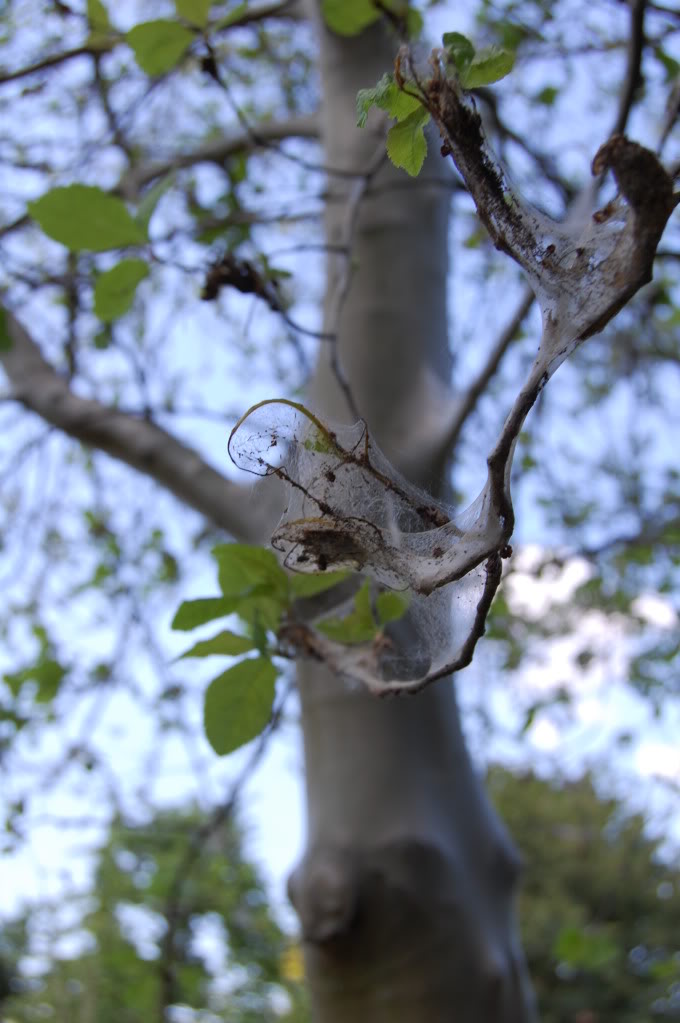
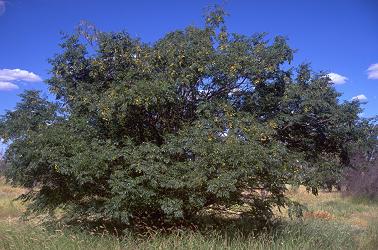
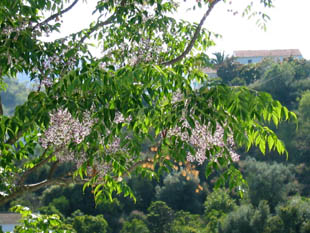
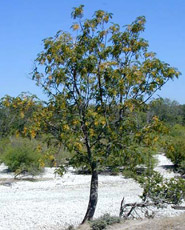
In the Bead Tree category you will find lots of nice pictures of bead trees.
You will find a lot of wonderful information on bead trees, including information about the bead tree species, planting information, and much more.
This is valuable and useful information that can help you to learn more about the bead tree.
Bead Tree Images
To view each bead tree picture in full size just click on the image to get the bead tree photo to enlarge.
Enjoy these pictures of the Bead Tree.
Bead Tree Pictures
 |
 |
 |
 |
 |
 |
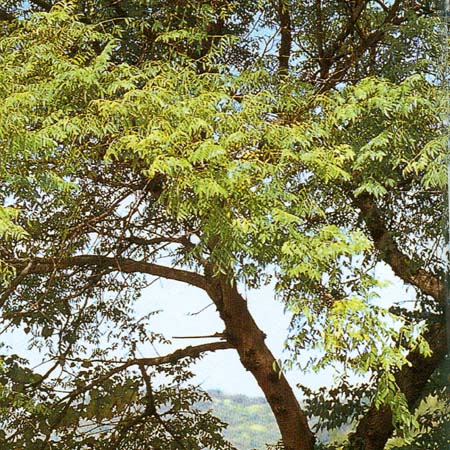
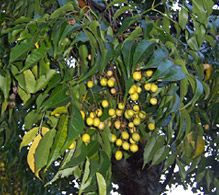
Bead Tree, Facts & Information on Bead Trees
Bead Tree Scientific Name: Melia azedarach
Here is some detailed information on bead tree pictures.
Melia azedarach is a species of deciduous tree in the mahogany family, Meliaceae, that is native to India, southern China and Australia. Common names include Persian Lilac, White Cedar, Chinaberry, Texas Umbrella, Bead Tree, Lunumidella, Ceylon Cedar ,malai vembu, Bakain and Dharek/Dhraik.
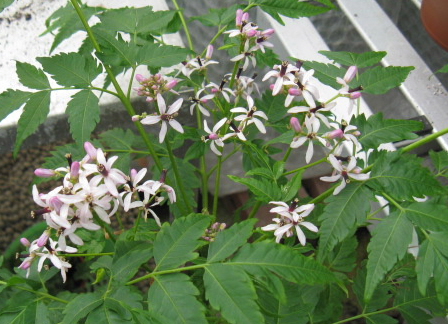
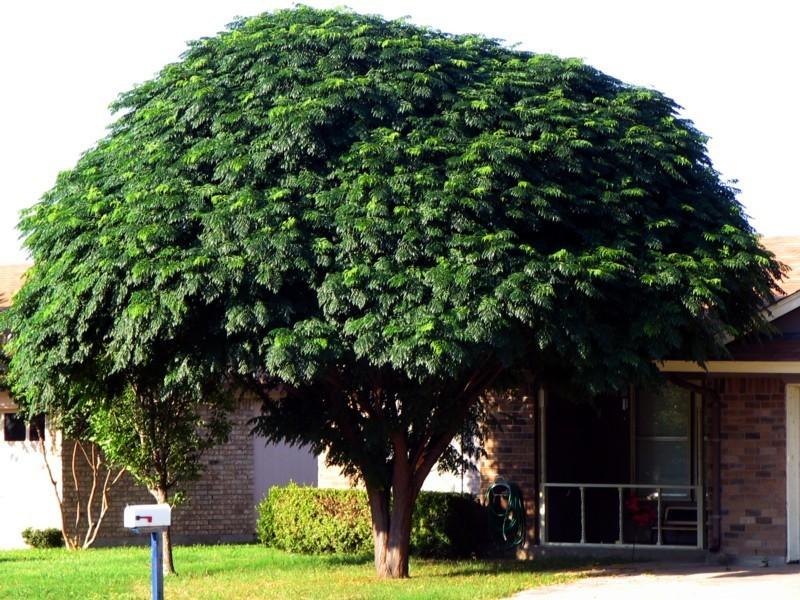
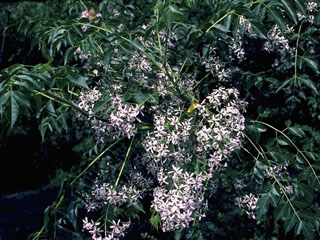
The adult tree has a rounded crown, and measures between 7 and 12 metres in height. The flowers are small and fragrant, with five pale purple or lilac petals, growing in clusters. The fruit is a drupe, marble-sized, light yellow at maturity, hanging on the tree all winter, and gradually becoming wrinkled and almost white. In Australian rainforests, Melia azedarach can attain a height of 45 metres.
The leaves are up to 50 cm long, alternate, long-petioled, 2 or 3 times compound (odd-pinnate); the leaflets are dark green above and lighter green below, with serrate margins. They have been used as a natural insecticide to keep with stored food, but must not be eaten as they are highly poisonous. A diluted infusion of leaves and trees has been used in the past to induce uterus relaxation.
The main utility of chinaberry is its timber. This is of medium density, and ranges in colour from light brown to dark red. In appearance it is readily confused with the unrelated Burmese Teak (Tectona grandis). Melia azedarach in keeping with other members of the family Meliaceae has a timber of high quality, but as opposed to many almost-extinct species of mahogany it is under-utilised. Seasoning is relatively simple in that planks dry without cracking or warping and are resistant to fungal infection.
Fruits are poisonous to humans if eaten in quantity. However, like the Yew tree, these toxins are not harmful to birds, who gorge themselves on the fruit, eventually reaching a "drunken" state. The toxins are neurotoxins and unidentified resins, found mainly in the fruits. Some birds are able to eat the fruit, spreading the seeds in their droppings.
The plant was introduced around 1830 as an ornamental in the United States (South Carolina and Georgia) and widely planted in southern states. Today it is considered an invasive species by some groups as far north as Virginia and Oklahoma. But nurseries continue to sell the trees, and seeds are also widely available. It has become naturalized to tropical and warm temperate regions of the Americas and is planted in similar climates around the world.
Thank you for visiting our Bead Tree Pictures, please come back soon for some more great tree pictures!

Impressive Tree Pictures
Collection of Impressive Tree Images
Tree Pictures, Recently Added Tree Photos, Pics & Images |
||
 Apple Tree Photo Gallery |
 Apple Tree Images |
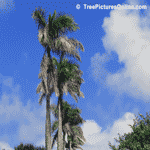 Palm Trees Gallery |
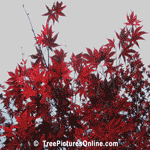 Japanese Maple Trees |
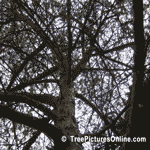 Pine Tree Gallery |
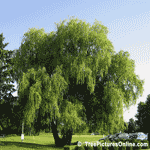 Willow Trees Category |
 |
||
|
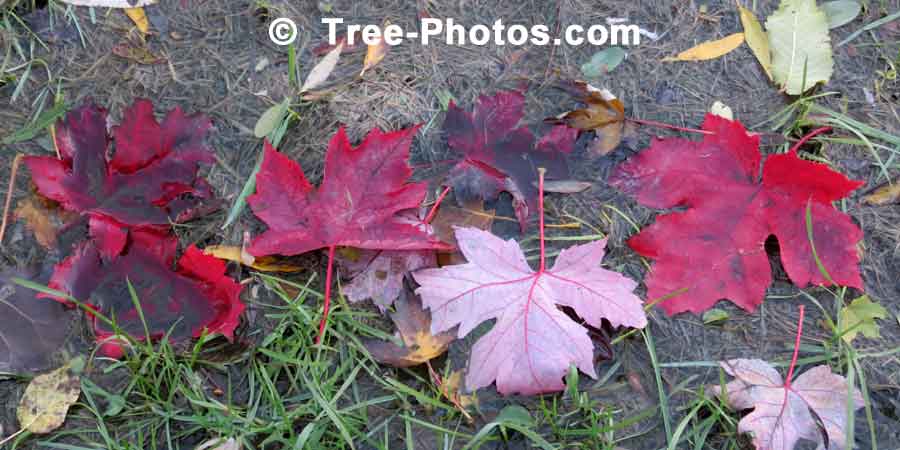
Maple Tree Leaves: More images of Maples? Please follow to the Maple Tree Gallery. Full size the photo, just click on beach image. |
||
 |
||
Palm Tree Landscape: More tropical images of Palms? Please follow to the Palm Tree Gallery. Full size the photo, just click on beach tree image.
Tree Facts and Trivia
United States land is covered by over 30 per cent with trees and forests
Tree Picture Finds, Stumbled on these Tree Images
We add new tree pictures as they come in to us, on a weekly & monthly basis. We hope you enjoy all our tree photos and information on the different types of trees and species.
Tree wallpaper images can make beautiful backgrounds on your computer`s desktop. See our tree wallpaper photographs link in the left tree categories.
Thank you for visiting our Tree Pictures at TreePicture Online.com, please come back soon for more great tree photos!
Pictures Sites
Fireplace Pictures -
Tree Pictures -
Gazebo Pictures -
Symbols & Their Meanings
Resume Samples -
Church Pictures -
Manufactured Home Pictures
Natural Log Siding -
Shadow Puppets -
Caribbean Islands
Play Touch Games -
Waterfall Pictures
Make Hot Pictures - Job Application Forms
